Set out a square grid whilst considering the size in between in each cone and the size (varying dependent on ability and number of players). 2 players without a ball must try to chase and tackle the other players. A successful tackle will mean that player now dribbles away in posession. The player who has been tackled must now try to tackle a player to win back a ball. Whilst in posession, if a players' ball touches a cone, they must take their ball to the designated 'skill zone' (orange square) and perform a dribbling skill. For example, dribble around each corner of the skill zone showing close ball control and changes of speed. Progression: Close up some of the routes that the players can dribble into by placing cones down to form 'walls'. Players will now be forced to change direction more often. Alternatives: Time each players time spent as a defender and use points scoring for each tackle made. If tackled, attacking payer must go to the skill zone to practice a skill for 10 seconds then rejoin the game.
-Close ball control -Vary dribbling speeds (accellerating away from opposing players) -Changes of direction to aoid opposing players and walls -Awareness by keeping your head up to spot space and opposing players.
This practice has no coaching points
This practice has no progressions

in more ways than one
 sportplan_football



Four Halloween-themed games sneak a full warm-up, finishing, rondo and small-sided game into one junior football session this week.

Deliberate heading is now out of U11 grassroots matches. Here is how to coach chest, thigh and foot control so your players still win the ball in the air.
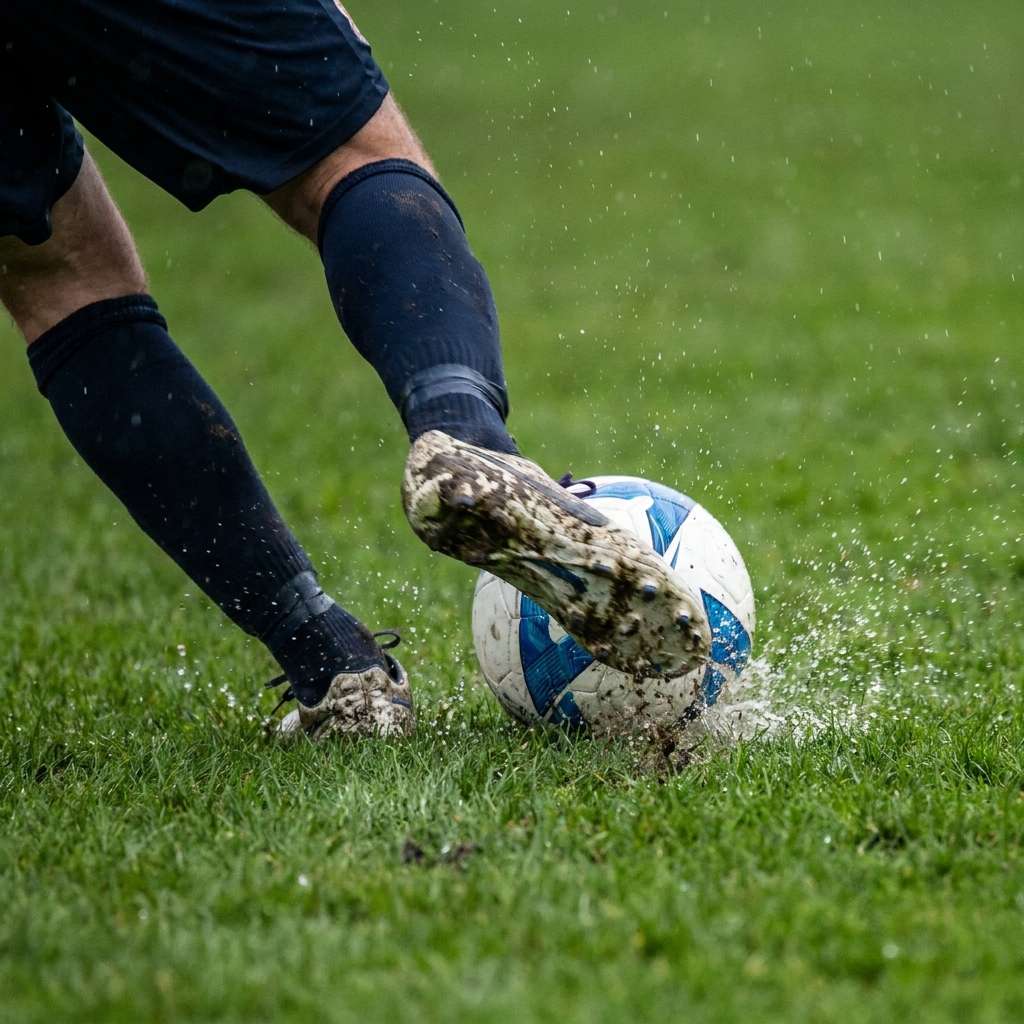
Long-range goals doubled at the 2026 World Cup as teams sat deep. Here is how to coach when to shoot from distance, the technique, and the follow-up.