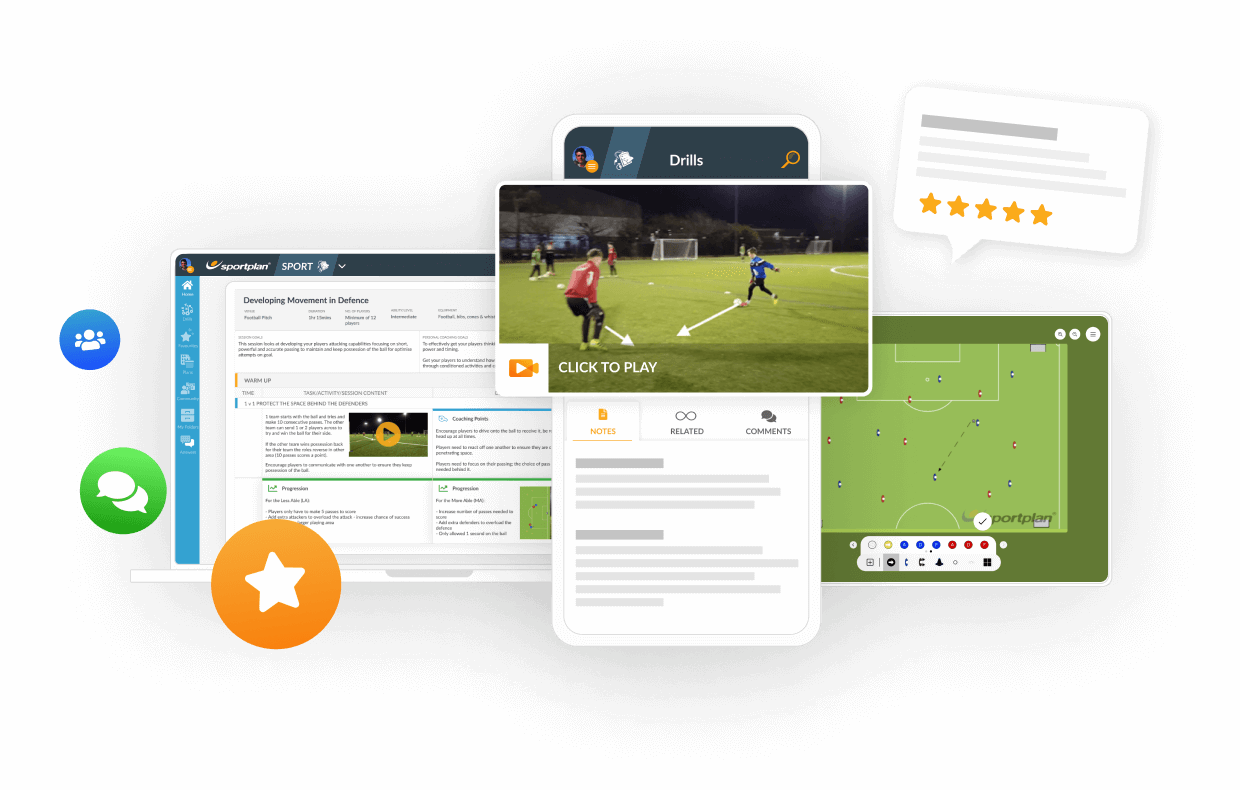
TIME: 4-5 mins per round until all players have rotated. High intensity Set 4- 10 x 10 rondos with 3 to 4 players a piece within a 50 x 30 area. Have 4 players in center called "position." Each position player is responsible for a particular square. Ball is live at any square. As soon as the ball is played to a square, a position player must run at full sprint trying to disrupt play. The ball is played amongst other squares, from short passes to long switch. In which a new position player runs out to pressure. If the ball is disrrupted, simply reset and continue.
RONDO PLAYERS: Influence 1 touch. Speed of play. Backfoot, turning hips to get away from pressure. Don't look to keep playing under pressure. Get ball switched asap after the ball is touched 3 different times within rondo POSITON PLAYERS: Players need to be alert Look for social cues to anticipate a pass to their square. Anticipate, don't react. As soon as the ball is released, the player must continue to huslte back to position base. THE IDEA- if a player is pulled out of postion because of good pressure during a game, he/she is still resposible to get back where they're suppose to be quickly. If the # of players is less than 4 or number of rondos, have players communicate on who's pressuring. If mommentum allows player to run on to a neighboring rondo, allow as long as it is communicated. GERNERAL: The focus is the pressure. Adjust rondos and over all distance just enough where its giving them hard work. Although pressure is the focus, speed of play on the ball can also be as well.
This practice has no coaching points
This practice has no progressions
in more ways than one
 sportplan_football

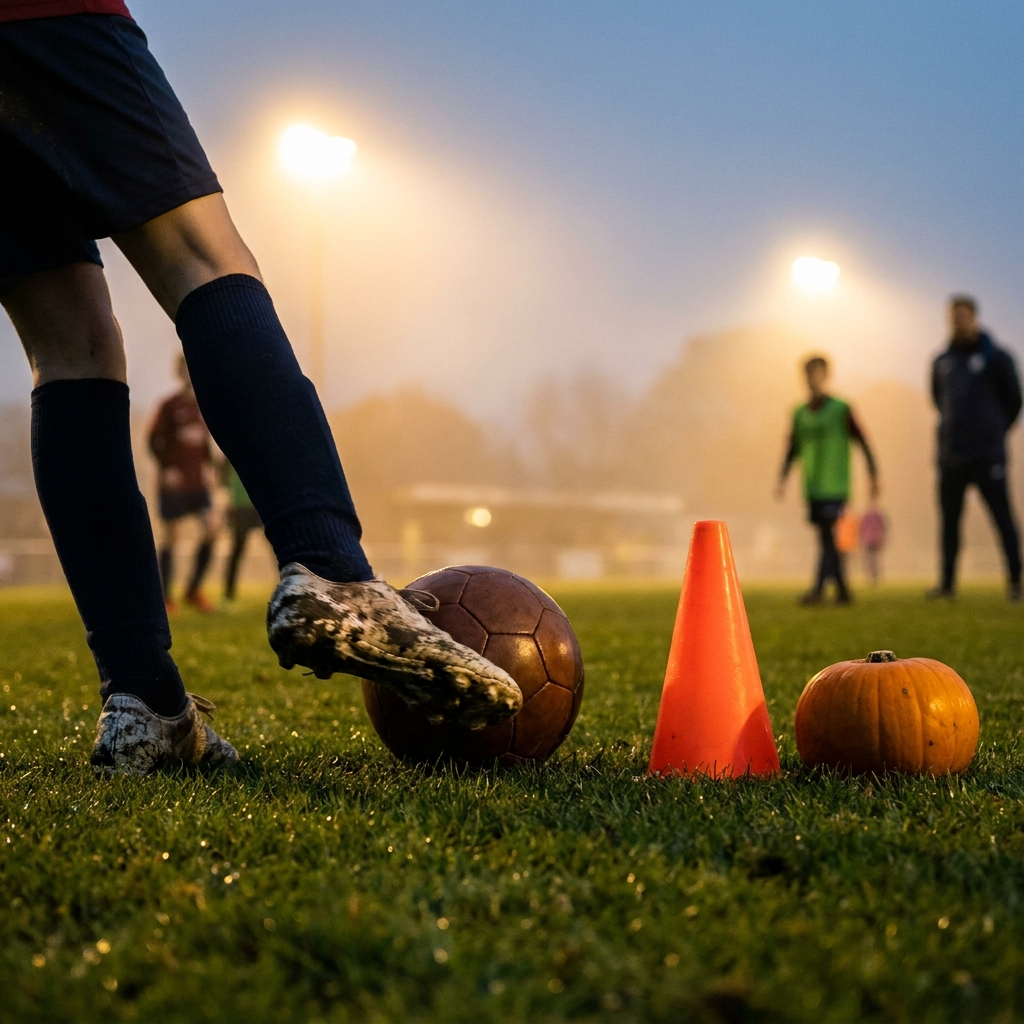
Four Halloween-themed games sneak a full warm-up, finishing, rondo and small-sided game into one junior football session this week.
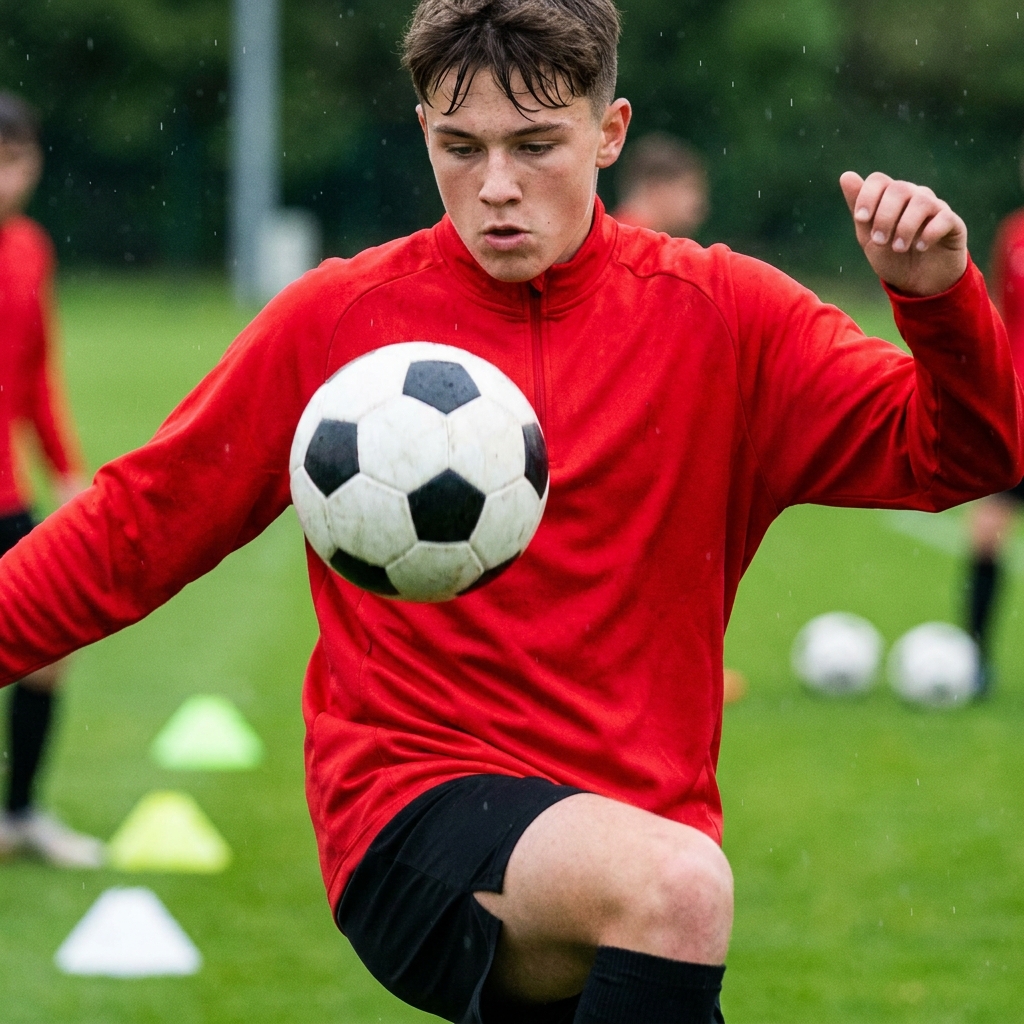
Deliberate heading is now out of U11 grassroots matches. Here is how to coach chest, thigh and foot control so your players still win the ball in the air.
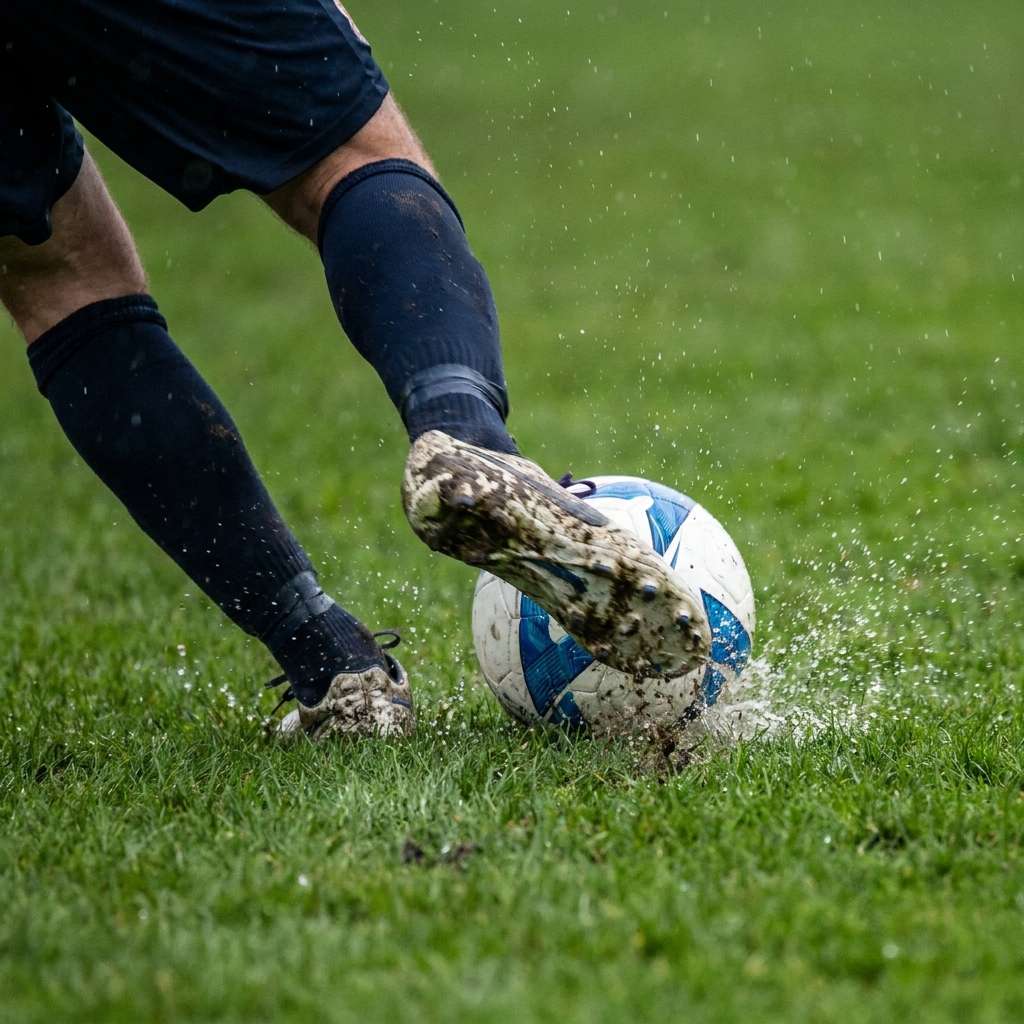
Long-range goals doubled at the 2026 World Cup as teams sat deep. Here is how to coach when to shoot from distance, the technique, and the follow-up.