The objective is to force the opponents to play into wide areas and, due to their controlling of the central zone, this is where most of the oppositionâs passes end up. This creates a pressing trap because the full back and wide midfielder double up on the player who received the ball out wide, and one central midfielder, if required, presses the nearest passing option from behind. This then forces the opposition to either play a direct ball forward [vertical], a pass back infield [lateral] or pass back to defence [usually diagonally]. The amount of 3v3 and 2v2 situations created by this means that the team require players with a strong 1v1 defensive capacity. The full back on the strong side of the field comes close to the oppositionâs wide midfielder, ready to initiate the pressing trap if the ball is played to them. The striker on the strong side of the field comes a little deeper than his partner, looking to cut off any central passing options. The central midfielder on the strong side of the field looks to cover the half space created by the full back coming close to the oppositionâs wide midfielder.
control the central vertical zone to try and force pressing traps on the flanks A half space, which could be exploited, opens up when the full back presses.
This practice has no coaching points
This practice has no progressions

in more ways than one
 sportplan_football


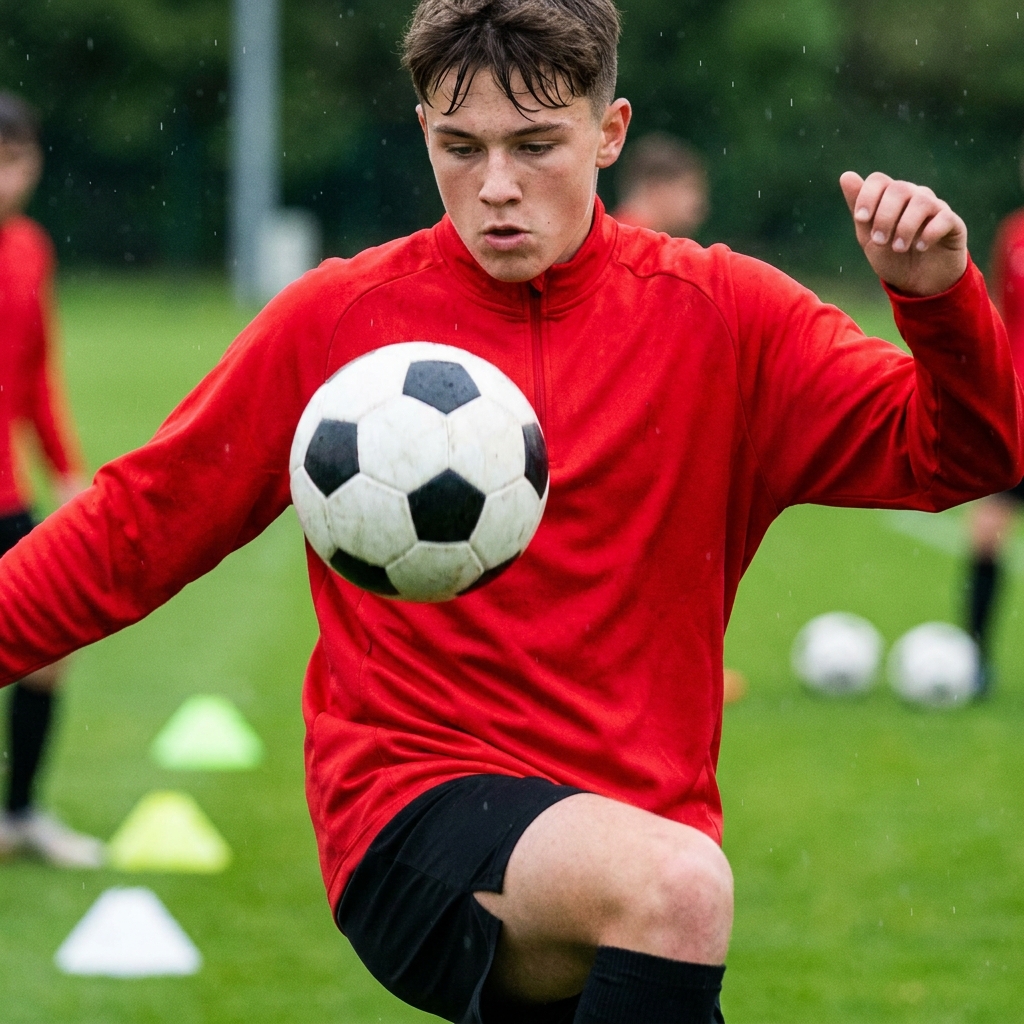
Deliberate heading is now out of U11 grassroots matches. Here is how to coach chest, thigh and foot control so your players still win the ball in the air.
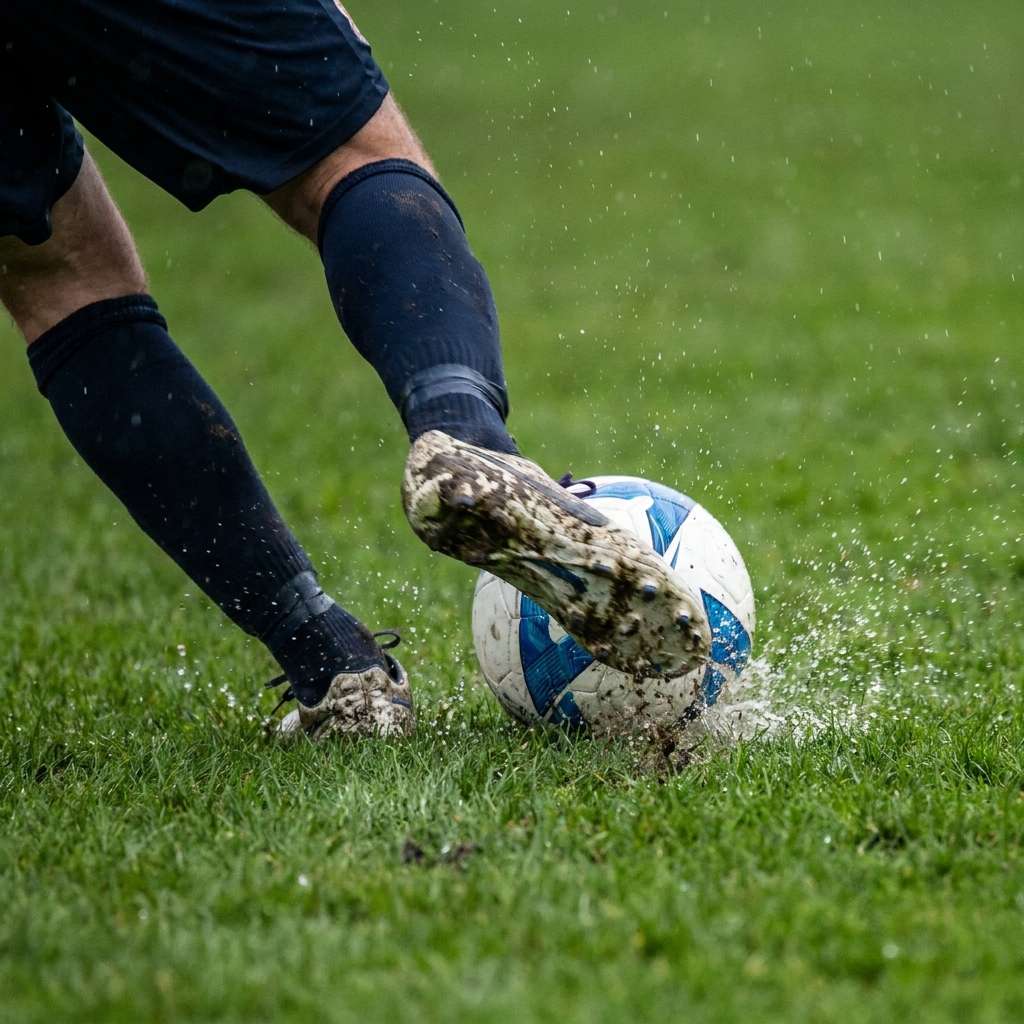
Long-range goals doubled at the 2026 World Cup as teams sat deep. Here is how to coach when to shoot from distance, the technique, and the follow-up.
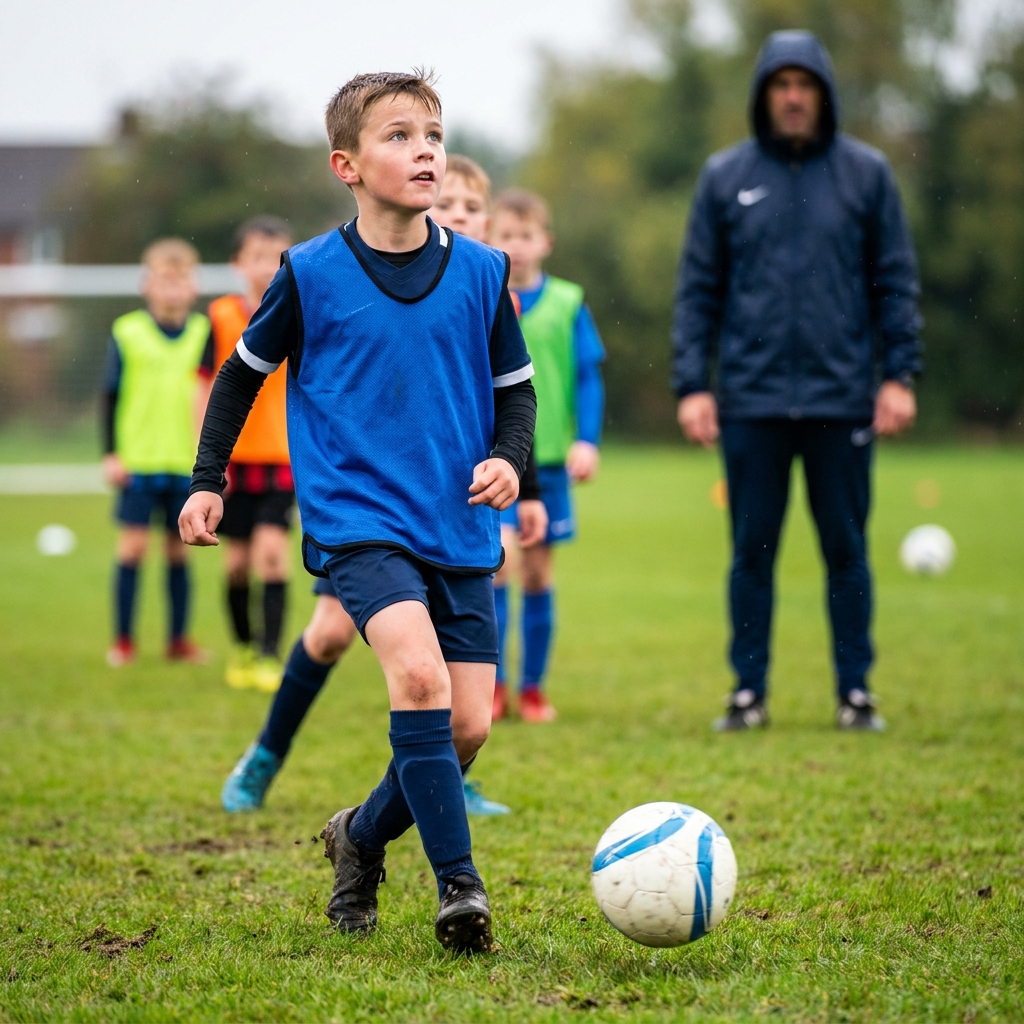
Under FutureFit, your Under-9s stay at 5v5, your Under-11s stay at 7v7 and your Under-13s stay at 9v9. Same pitch, same numbers, one more year. Here is how to make sure that year feels like a step forward rather than a repeat.