1. Warm up game (5min)
Principle
1. Principle: Towards the ball
2. Principle:
3. Principle:
Exercise
Name: Passing circle
Rules: Inner circle pass the ball around with two touches. Outer circle anticipates the pass in front of the inner player. If outer player gets to the ball, he remains in the inner circle
Groups: Whole group together
Coaches roles
Coach in charge: Iikka
Assistant coaches: Savvas
Area
Size:
Shape: Circle
Location: Large field
2. Warm up game (10min)
Principle
1. Principle: Anticipating forward or covering space
2. Principle:
3. Principle:
Exercise
Name: 1v1 rectangular
Rules: When coach says "Pano", the player from behind must come to the front side of the closer player to coach. When coach says "Piso", The closer player must run to the back line but the player behind must run there first and has to physically block the other players run
Groups: Players work in couples
Coaches roles
Coach in charge: Iikka
Assistant coaches: Savvas
Area
Size: 8x4m
Shape: Rectangular
Location: Large field

in more ways than one
 sportplan_netball


in more ways than one
sportplan_football

Under FutureFit, your Under-9s stay at 5v5, your Under-11s stay at 7v7 and your Under-13s stay at 9v9. Same pitch, same numbers, one more year. Here is how to make sure that year feels like a step forward rather than a repeat.
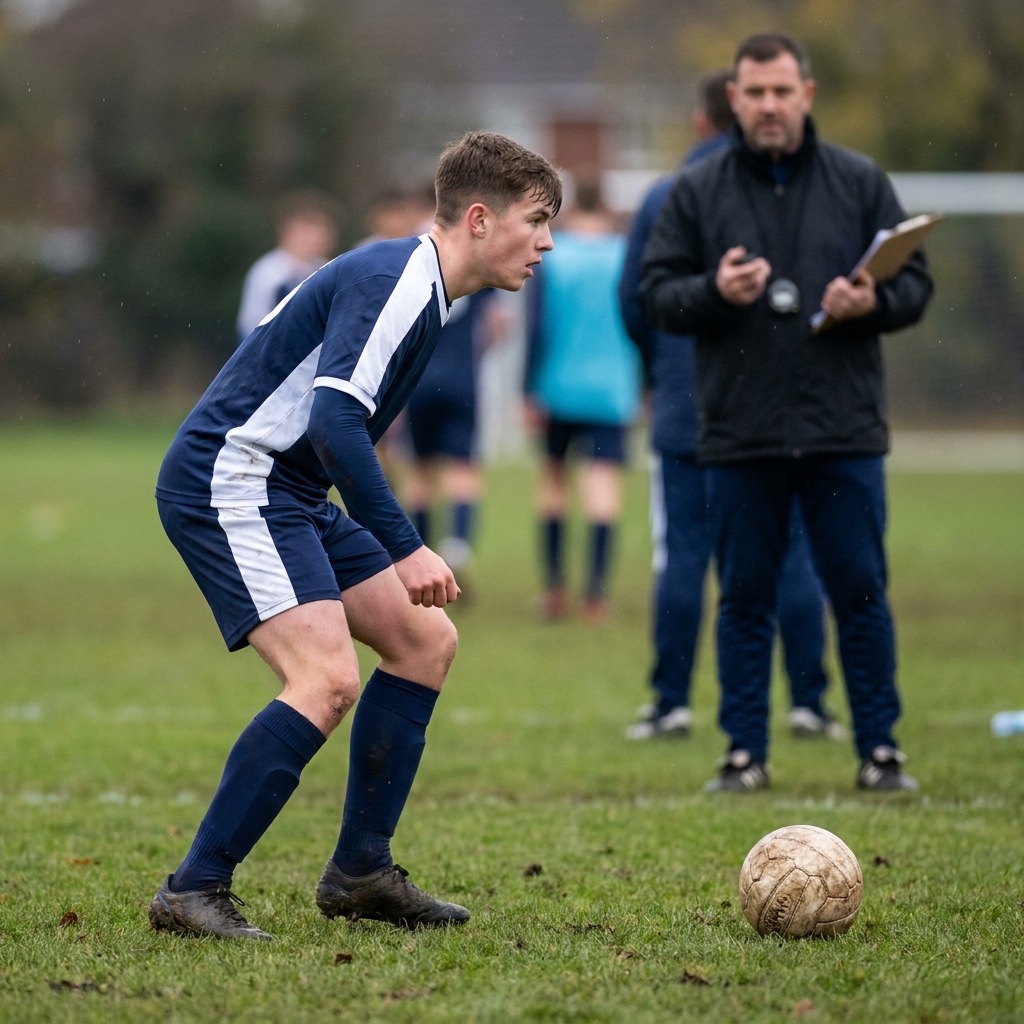
Most 1v1s are lost in the first second, when the defender rushes in and dives. Teach your players to slow the attacker down, take away the dangerous option and pick the right moment, and they will win far more of them.

The FA's FutureFit framework lands this season, bringing a 3v3 entry format at Under-7s. Here is what actually changes on a Saturday morning, and how to coach it well.