One player defends one attacker who attempts to beat the defender and dribble through one of the three gates behind the defender. Each gate is worth a certain amount of points. Defenders attempt to win the ball, or prevent the attacker from dribbling through the gates worth the most points.
Divide the players into two teams. One team starts as attackers. After a few rounds, change roles. Which team get the most points?
The defender attempts to channel, or direct, the attacker away from the 10-point gate and towards the 1-point gate. If possible, the defender attempts to win the ball and prevent the attacker from getting any points.
Teach: Defenders should sprint towards the attacker to close down the space the attacker has to dribble into. Defenders should shorten their steps as they get closer to the attacker to prevent getting beat. Once close enough, defenders should move backwards at the same pace the attacker is moving forwards and force the attacker towards the 1-point gate.

in more ways than one
 sportplan_netball


in more ways than one
sportplan_football
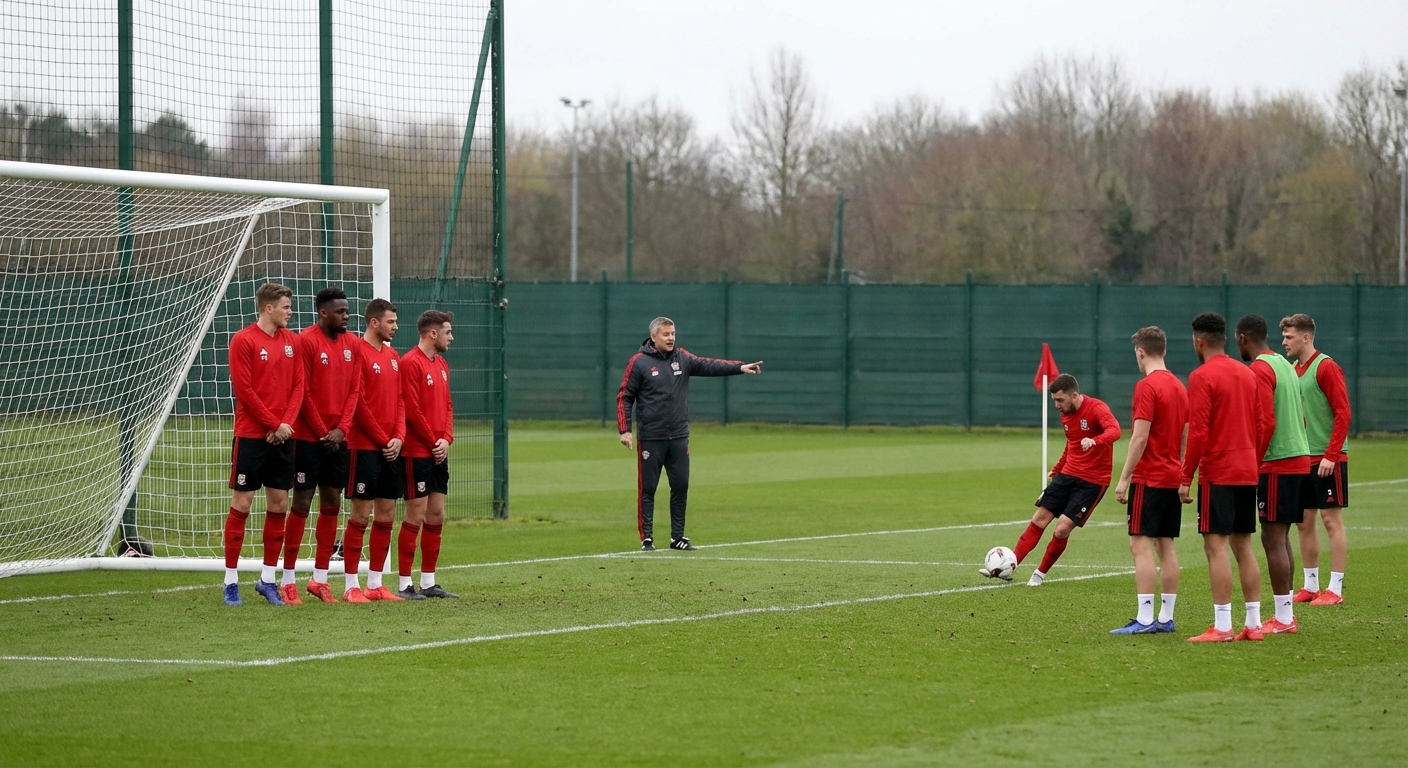
Set pieces account for roughly a third of all goals in football, yet many coaches spend surprisingly little time coaching defensive organisation at corners and free kicks. This article compares zonal and man marking systems, explores hybrid approaches, and provides a practical session structure for building set piece resilience into your team.

A player's first touch determines everything that follows: whether they can play forward, turn, or simply retain the ball. This article explores why training first touch in isolation is not enough, and how to design sessions that develop this critical skill under realistic game pressure.
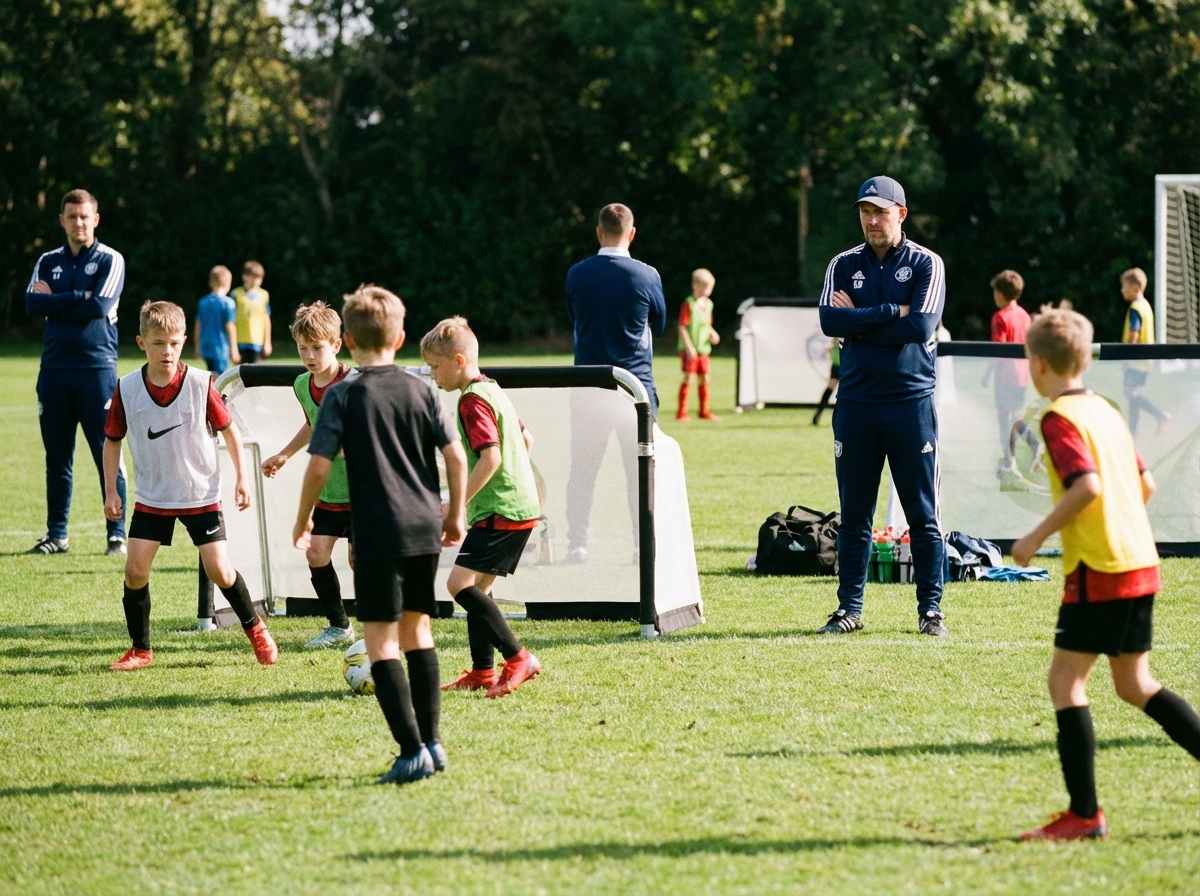
The coaching methodology revolution sweeping grassroots football - and how to implement it at your club this season.