Reactional Based Saves
Cone set up.
Orange cone is about 5 of the keepers strides from the red and blue.
Red and blue cone should be at least five strides apart.
Can be served at any height or speed looking for purely reactional saves so two hand and keeping posession of the ball is fine and additionally if needed parrying the ball away with one hand is fine if needed.
1. Keeper starting at orange cone lying on side; when server shouts go keeper must get up avoid using hnds ( Using pendulum leg technique as if he has just made a save) and get set at orange.
2. Colour is shouted ( Use left or right if only have one coloured cones).
3. Keeper must get to that side/ colour as fast as possible then work laterally to opposite cone.
4. When keeper has just reached the opposite cone play a ball in, to force the keeper to make a reactional save and stop the ball from getting through the two cones.
5. Repeat six times.
Development can be adding in an second save after the first one is served.
Coaching points;
Getting up- Keeper must try and avoid using hands. Start with one leg raised and swing it down to create momentum to get up or swing legs round and underneath him ( whatever method is fastest and most effective for that individual)
Looking for the keeper to work as fast as possible to each cone using short sharp movements.
Whilst making reactional saves looking for the GK to always be leading with his hands forward infront of the rest of his body. If the ball is parried away making sure the GK is quick on their feet to regain possesion of the ball.
in more ways than one
 sportplan_netball


in more ways than one
sportplan_football
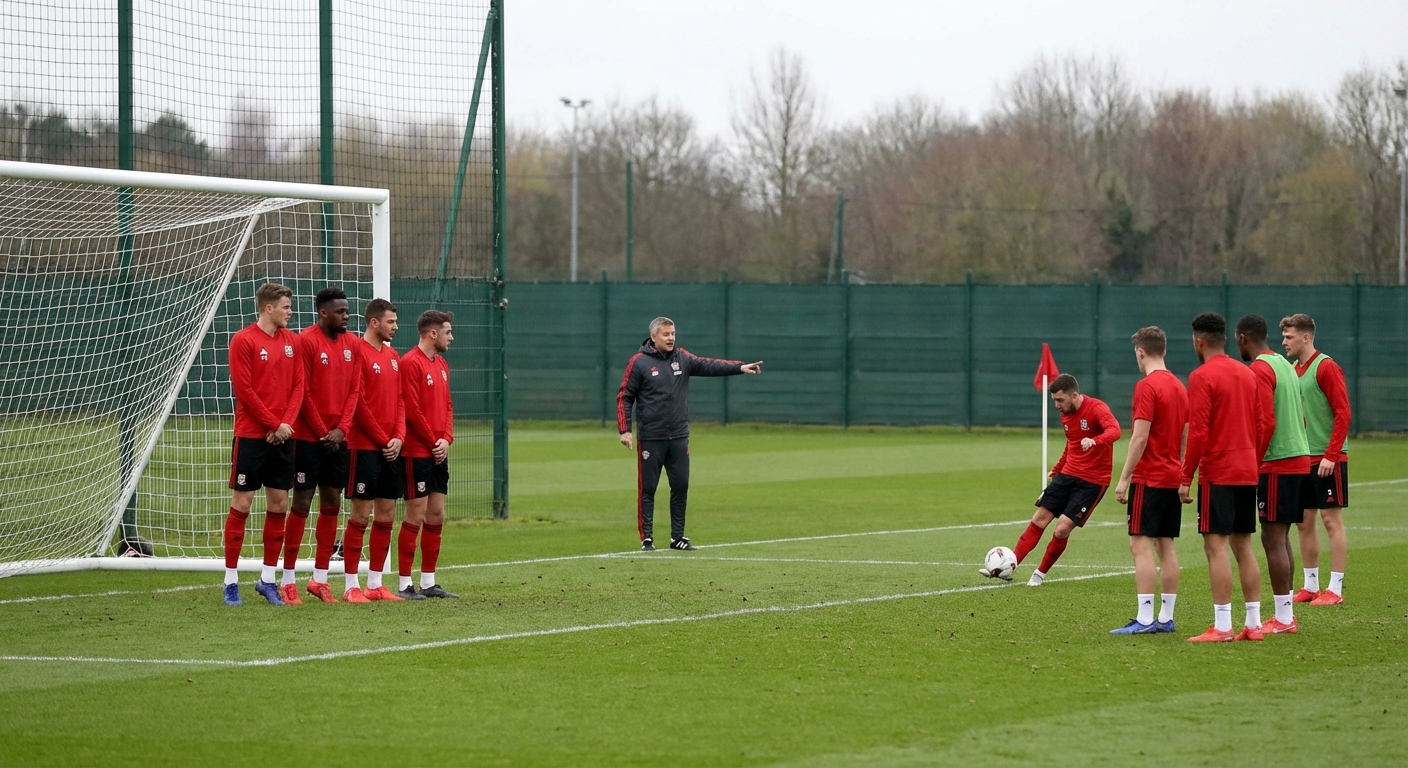
Set pieces account for roughly a third of all goals in football, yet many coaches spend surprisingly little time coaching defensive organisation at corners and free kicks. This article compares zonal and man marking systems, explores hybrid approaches, and provides a practical session structure for building set piece resilience into your team.
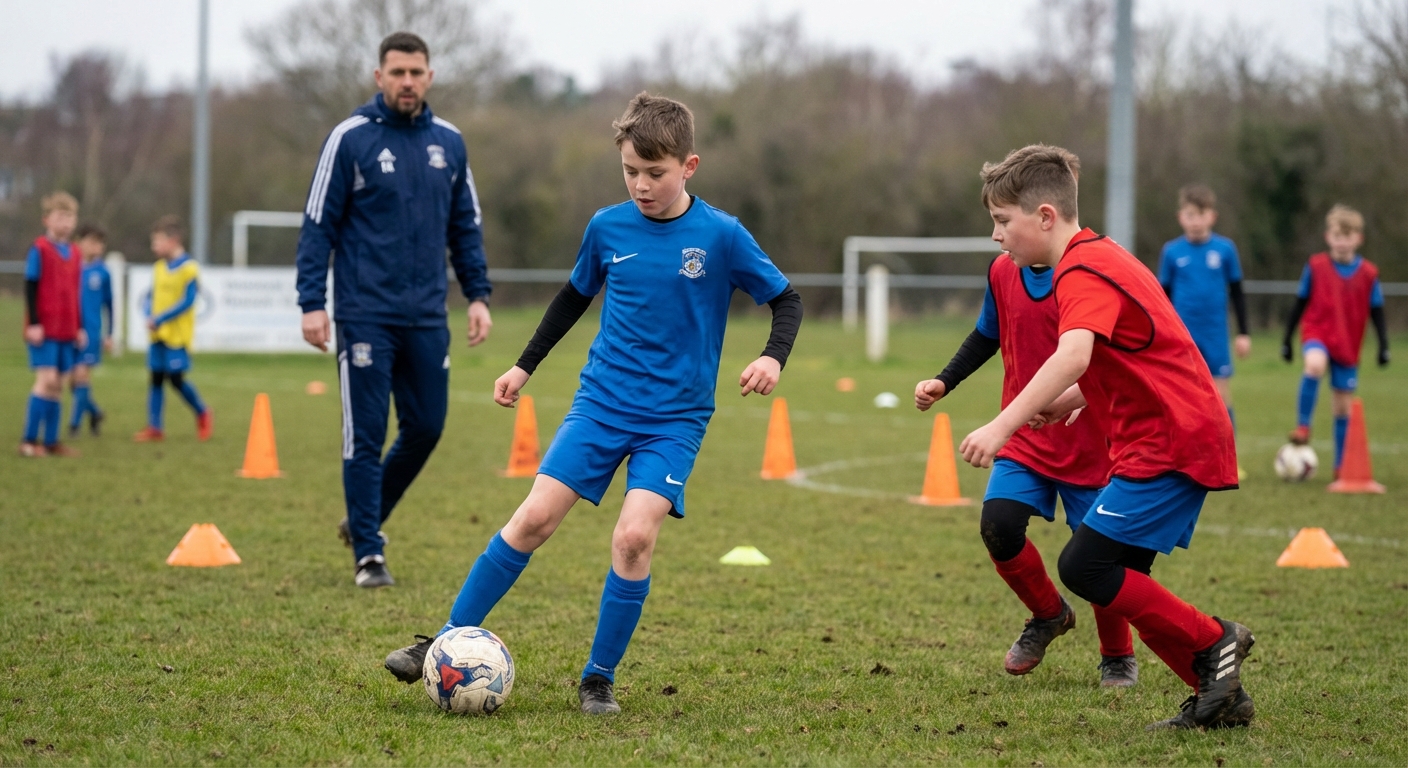
A player's first touch determines everything that follows: whether they can play forward, turn, or simply retain the ball. This article explores why training first touch in isolation is not enough, and how to design sessions that develop this critical skill under realistic game pressure.
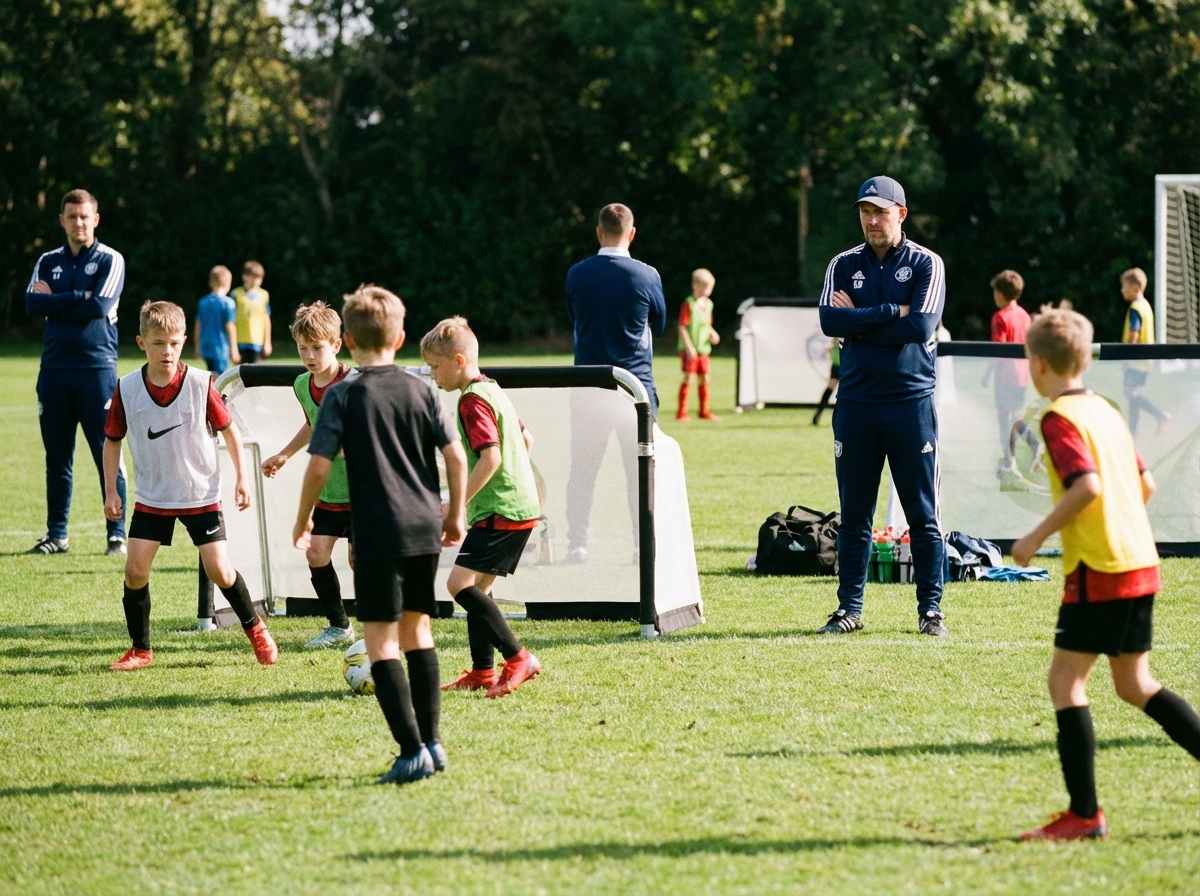
The coaching methodology revolution sweeping grassroots football - and how to implement it at your club this season.