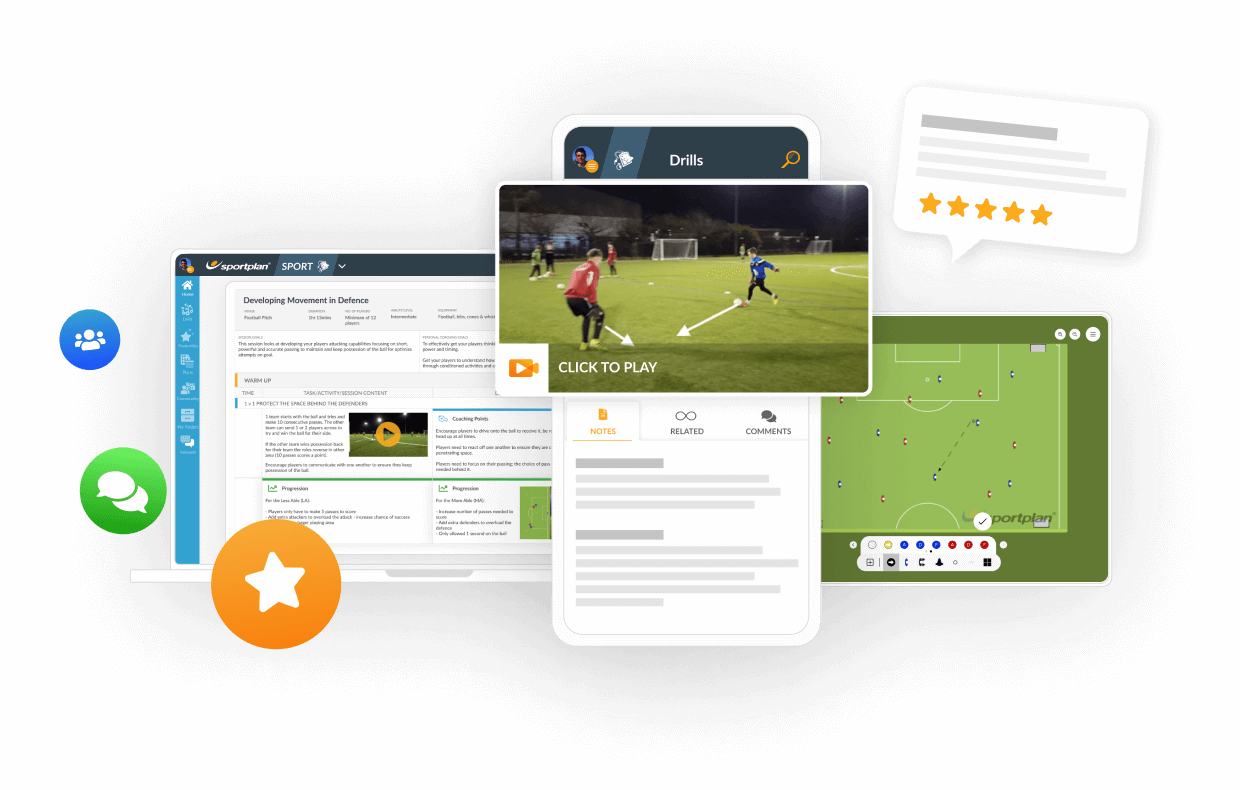
8x2 area for Nuggets (yellow cones), team cones placed at equal distance from nuggets. Players split between teams.
Players are aiming to hit the cones with the football. When they do, they run to pick up all of the cones at their ball hit, and the team ball and return them to the marker before next person in line is ready to go.
Game finishes when all nuggets are gone and team with the most is the winning team.
Progression 1
Now only the very first cone that the players hit can be brought back to their team.
Progression 2
Differ the movement of the ball; throwing, bouncing, kicking.
Progression 3
Introduce obstacles or other cones.
Bibs can work as slime/lava where the ball can get stuck.
Other style cones can work as extra points. Eg. Big black cone is worth 3 points, first team to hit it gets 3 points
Challenges
Can they hit further away cones?
Can they aviod the other obstacles?
Basic passing technique can be introduced.
-Placing standing foot, toes pointing at target.
-Using side foot for accuracy.
-following through for power.
Consider who, what, when, where, why and how when progressing through the technical building blocks.
in more ways than one
 sportplan_netball


in more ways than one
sportplan_football

Deliberate heading is now out of U11 grassroots matches. Here is how to coach chest, thigh and foot control so your players still win the ball in the air.
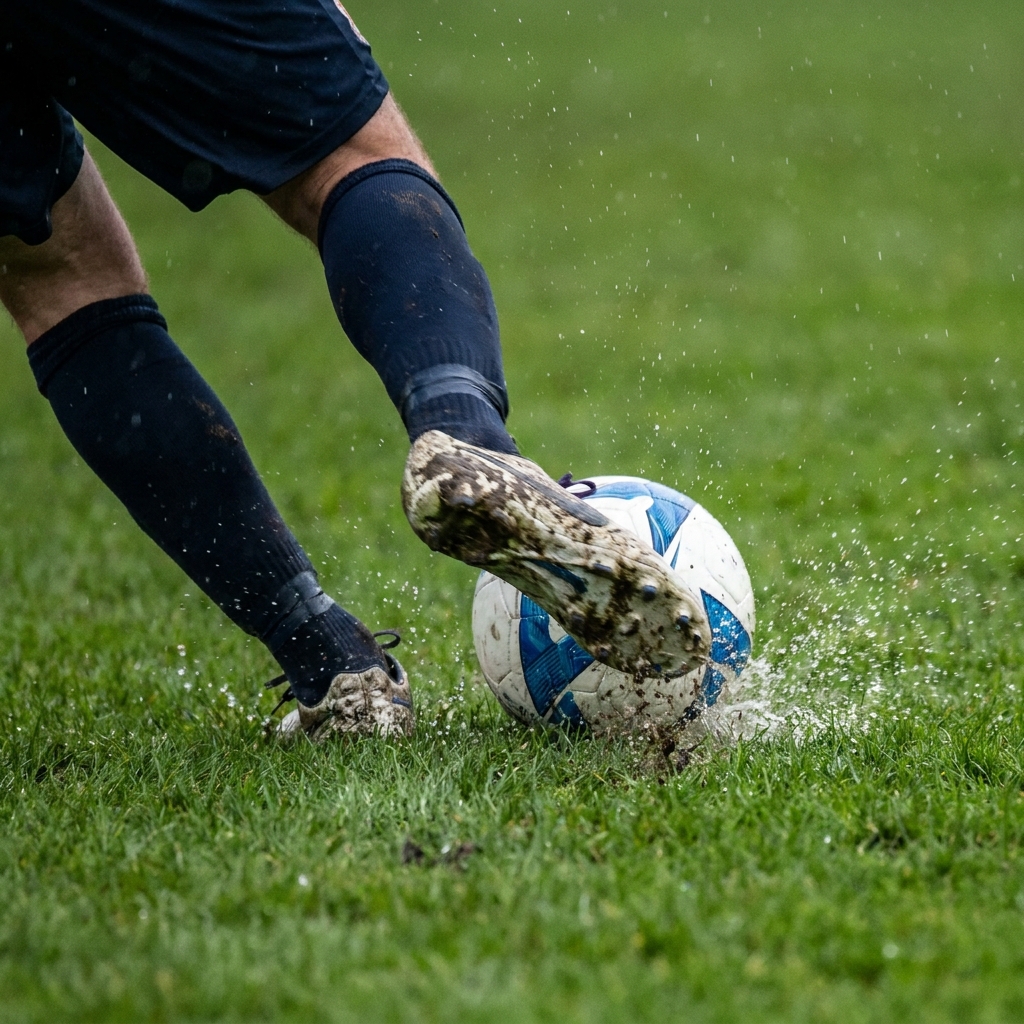
Long-range goals doubled at the 2026 World Cup as teams sat deep. Here is how to coach when to shoot from distance, the technique, and the follow-up.

Under FutureFit, your Under-9s stay at 5v5, your Under-11s stay at 7v7 and your Under-13s stay at 9v9. Same pitch, same numbers, one more year. Here is how to make sure that year feels like a step forward rather than a repeat.