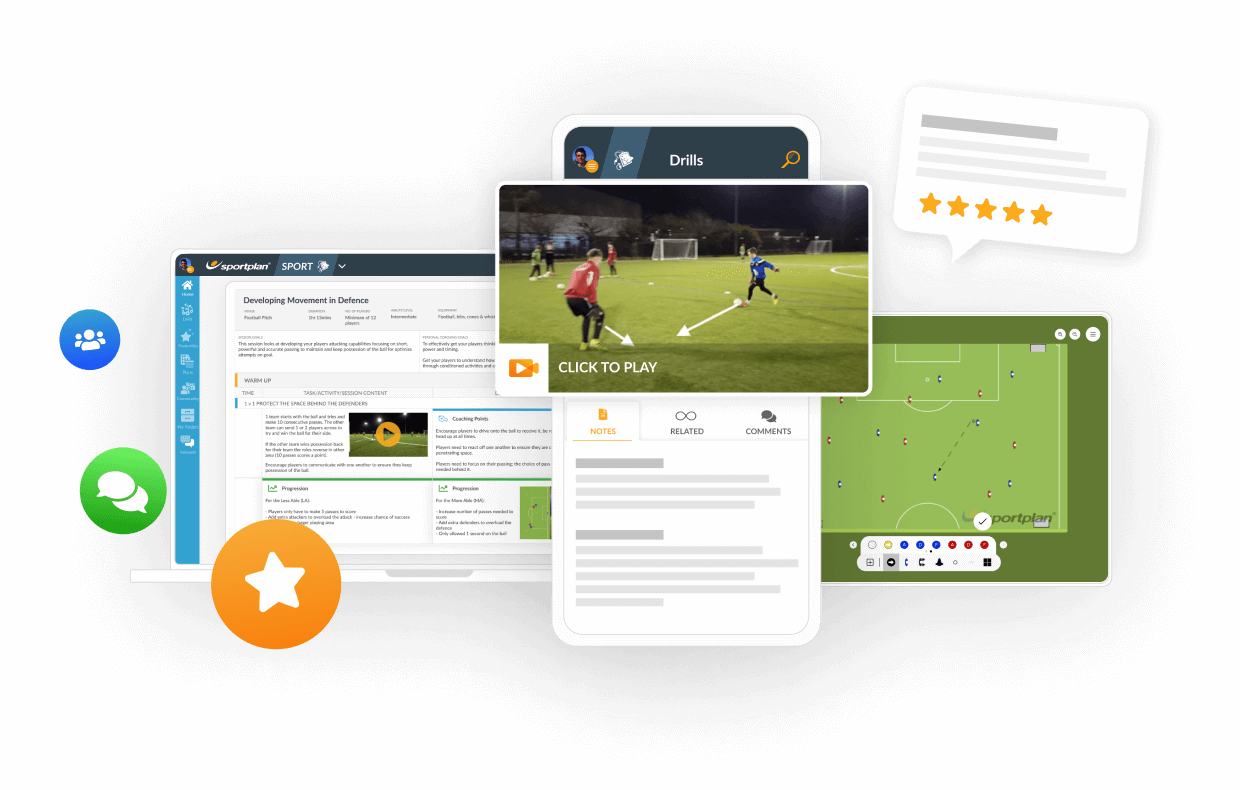
The first practice will be for the players to play one touch passing through the gated goal in between the two player (visit diagram to see)
Progression - Longer distance one touch passing through the gate so they have to have the correct amount of power on the pass so the player can play of one touch aswell.
2nd progression - One person will play through the gate and the other person will take a touch either side outside the starting position and play the ball back to the feeder. After the player has played the pass the player will return to the starting position and be ready to receive the next pass again, and playing through the other side. This will work both feet. After a minute or 2 swap the players roles around and the other player will have a go.
3rd progression - The feeder first will shout either a colour (if have coloured cones) or shout a direction (left or right) and the player working will go to whatever cone the feeder has shouted. This incorporates counter movement and movement of the ball. The player will receiev a pass through the gate and the player will then take a touch and play back through the agte. The sequence follows after every pass.
in more ways than one
 sportplan_netball


in more ways than one
sportplan_football
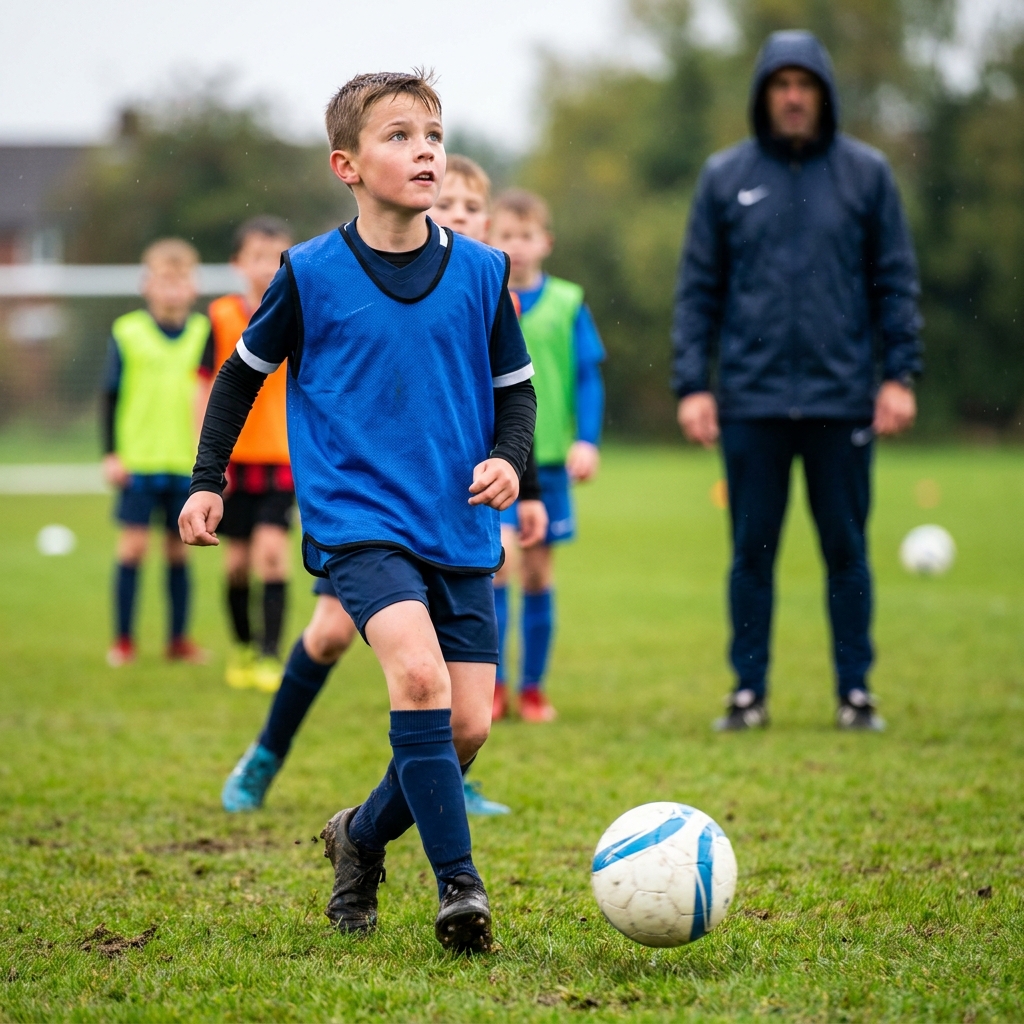
Under FutureFit, your Under-9s stay at 5v5, your Under-11s stay at 7v7 and your Under-13s stay at 9v9. Same pitch, same numbers, one more year. Here is how to make sure that year feels like a step forward rather than a repeat.
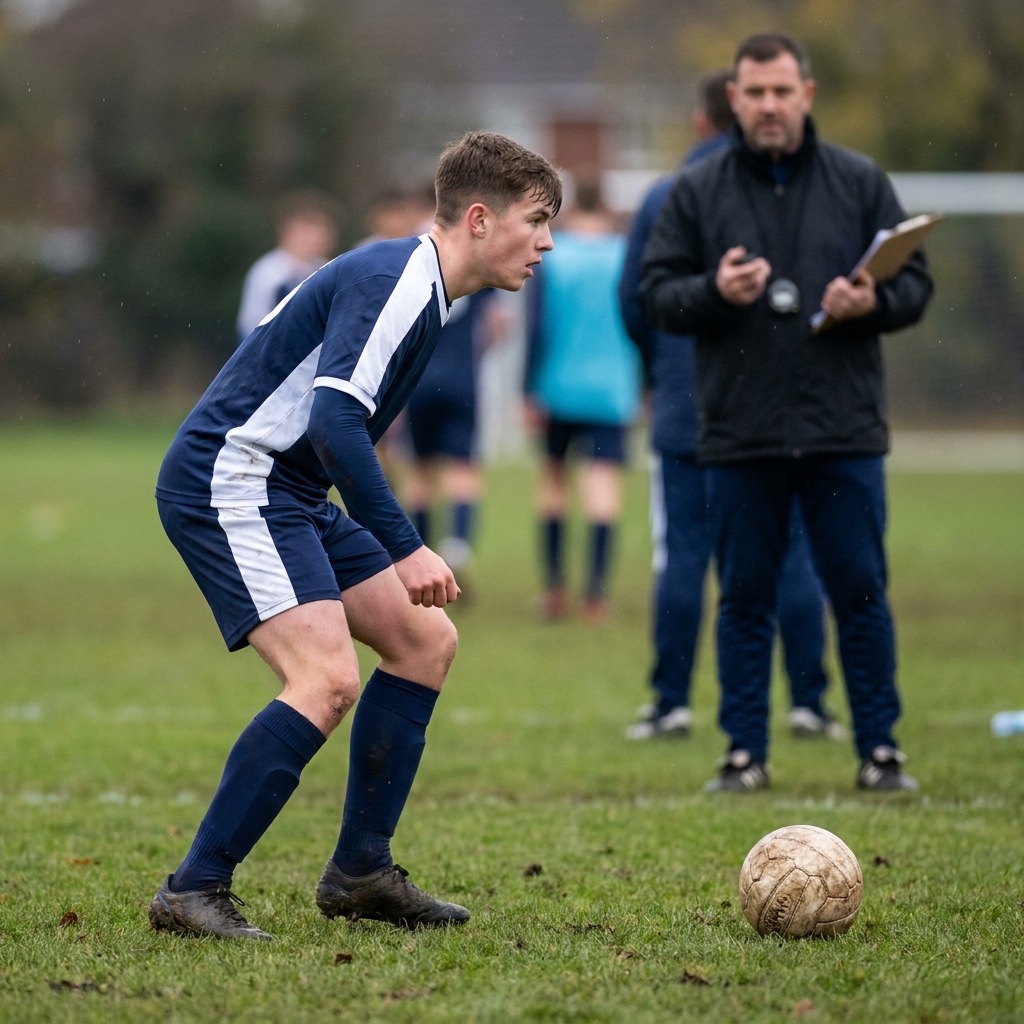
Most 1v1s are lost in the first second, when the defender rushes in and dives. Teach your players to slow the attacker down, take away the dangerous option and pick the right moment, and they will win far more of them.

The FA's FutureFit framework lands this season, bringing a 3v3 entry format at Under-7s. Here is what actually changes on a Saturday morning, and how to coach it well.