Players to stand in a circle a few meters wide. Two players start with balls. Players with the ball are to pass to any other player in the circle. Players receiving the ball are not allowed to hold the ball, instead, they must immediately pass to another player. The balls are not allowed to leave the circle.
With the presence of two balls, players will have to be constantly aware of where both balls are so as to not let either ball past them.
The possibility of both balls colliding will increase the unpredictability of where the balls travel, therefore testing the reaction speed, communication, ball control, and pass selection skills of the players.
Three separate groups will participate at once, and the team that can keep the ball alive and within the circle will be deemed the winner, adding a motivating factor for each player to perform as well as they can.
in more ways than one
 sportplan_netball


in more ways than one
sportplan_football

Deliberate heading is now out of U11 grassroots matches. Here is how to coach chest, thigh and foot control so your players still win the ball in the air.
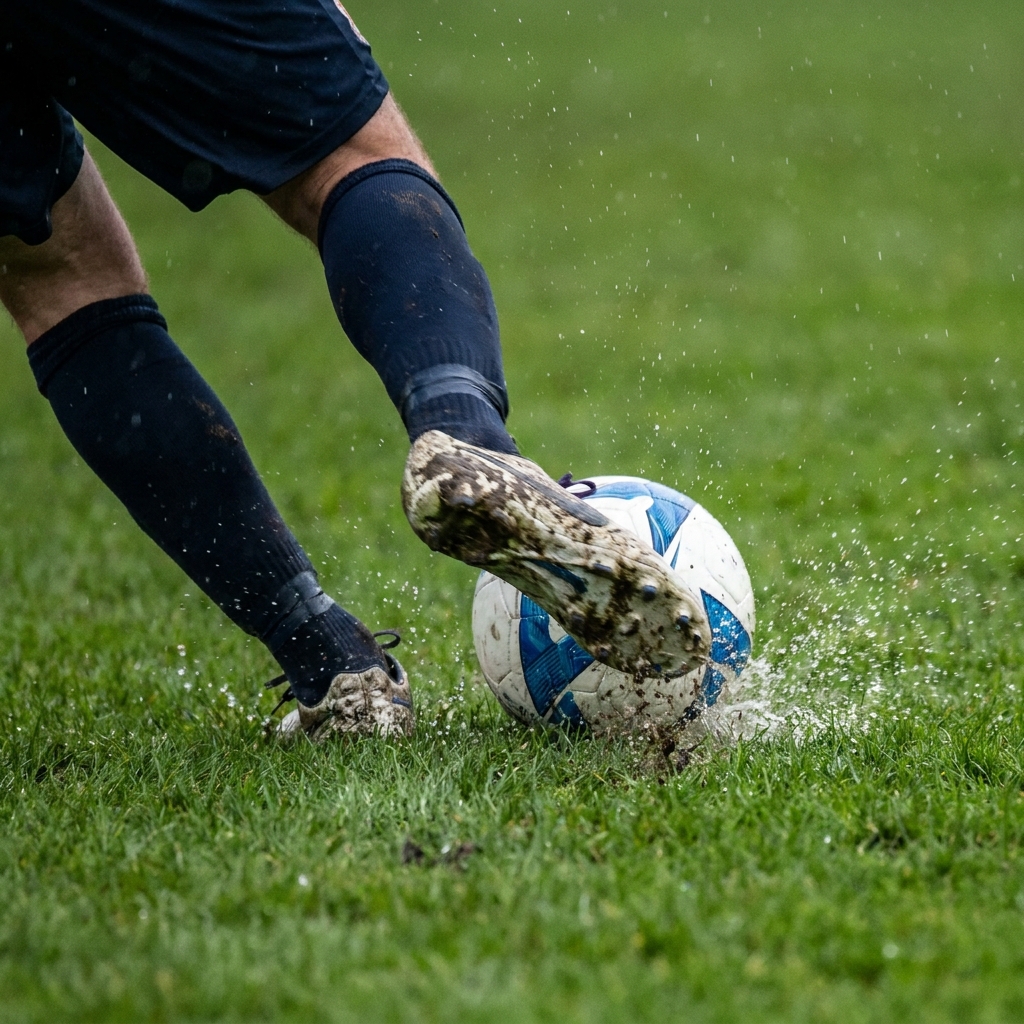
Long-range goals doubled at the 2026 World Cup as teams sat deep. Here is how to coach when to shoot from distance, the technique, and the follow-up.

Under FutureFit, your Under-9s stay at 5v5, your Under-11s stay at 7v7 and your Under-13s stay at 9v9. Same pitch, same numbers, one more year. Here is how to make sure that year feels like a step forward rather than a repeat.