

Warm-up Activity: Intro to Hockey.
Brief talk about how to use safely use equipment safely.
Dribbling the Ball. Moving around the area using the stick to move the ball left-to-right, right-to-left, backwards-forwards.
Aim: Passing balls in pairs
Set-up: Players divide into pairs. One ball for each pair. One player on either side of the hall.
Exercise: Players pass the ball to each other.
Notes: Beginners stop the ball, more advanced
players try to pass the ball without stopping.
Variations: Passes can be high instead of low;
passes can be either high or low; the distance
between players can be varied from the width
of the rink to very close to each other (about 2
metres). For additional workout and orientation on the rink, players may be asked to turn around after hitting a pass, run to the board, touch it, and turn around to hit the next pass. This exercise can also be done the following way: the two players start far away from each other and get closer with each pass. Once they get very close to each
other (such as they could shake hands), they then move away from each other, and so on.

in more ways than one
 sportplan_netball



in more ways than one
sportplan_football
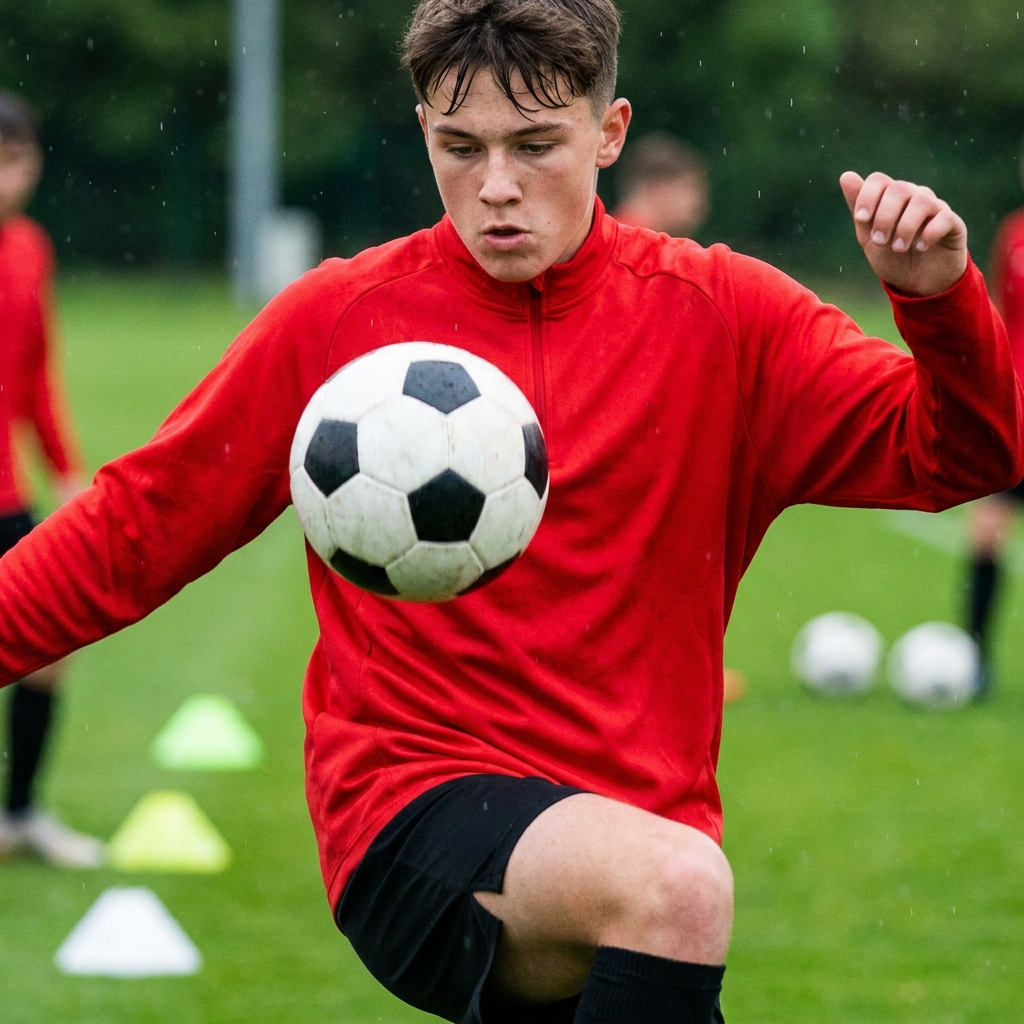
Deliberate heading is now out of U11 grassroots matches. Here is how to coach chest, thigh and foot control so your players still win the ball in the air.
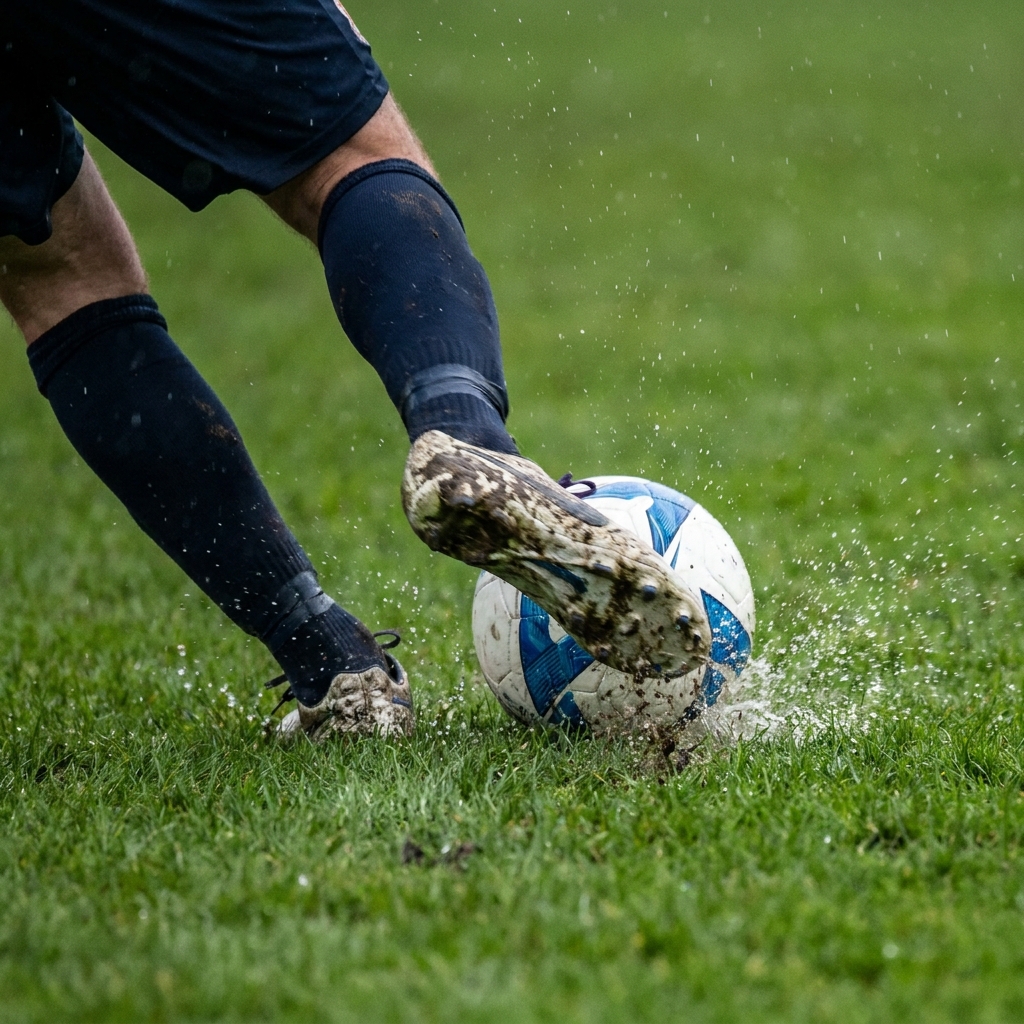
Long-range goals doubled at the 2026 World Cup as teams sat deep. Here is how to coach when to shoot from distance, the technique, and the follow-up.
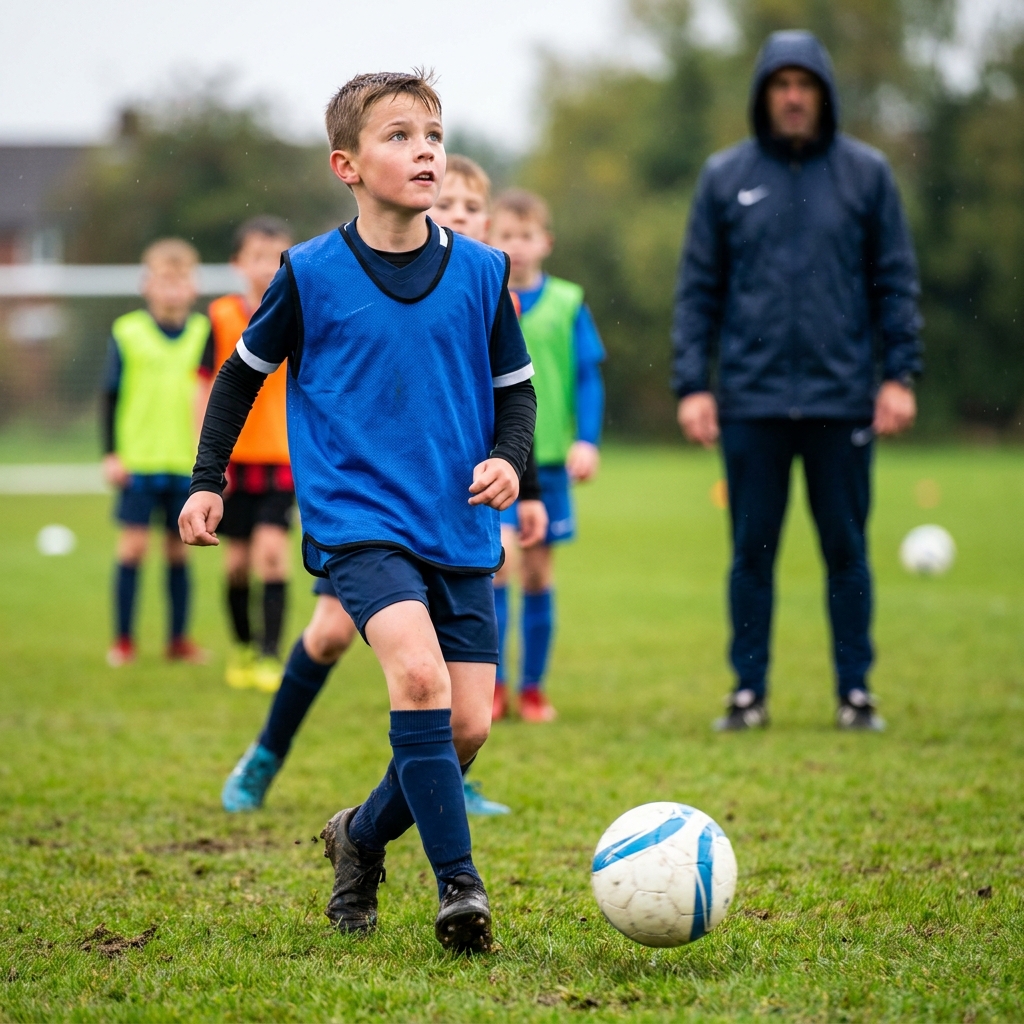
Under FutureFit, your Under-9s stay at 5v5, your Under-11s stay at 7v7 and your Under-13s stay at 9v9. Same pitch, same numbers, one more year. Here is how to make sure that year feels like a step forward rather than a repeat.









