Split group into two teams per half(different coloured bibs). One ball between two players (on opposing teams).
Small goal (2 large cones close together).....set out flat disks to create a small area in front of the goal.
1) First Phase (20 mins): Players have one selected opposition from the other team....Try to pair similar size and ability players....offset natural speed/size benefits where possible. Aim is to beat that player in a 1v1....no one else should try to tackle the player with the ball other than the selected defender. There will be "Chaos" with 5/6 different mini games in each half, but this chaos & confusion is good - think about a real game scenario; 60-70% of goals come from chaotic play around the goal mouth. They need to be aware of everyone else so not to bump into each other but ultimately they need to be focused on their opposition number.
Rule 1:Defenders can't enter the white cone area apart from to retrieve the ball from the goal (to avoid congestion and also players just standing in front of the goal)
Rule 2: Attackers can't shoot from outside the white cone area to avoid them just shooting from distance. (This is not a shooting practise) They need to dribble into the white cone area.
Rule 3: Players are not allowed to play off the walls. If it hits the wall, opposition gain possession.
Rule 4: Players can't slide tackle - stay on the feet and encourage quick counter attack
2) Second phase (10 Mins): 5 balls remain (1 for each pairing), however now defenders can act as a team and they can tackle any ball dribbler from the opposition team - this is about them taking the right defensive decisions and for the attackers to learn to exploit space. Ball must be dribbled into the white cone area to get a goal....not passed in. Again emphasis is on players dribbling not passing.
3) Third phase (20 Mins): 1 ball game scenario.....restriction still applies to goal and white cone area.....they need to dribble into the area not pass into.

in more ways than one
 sportplan_netball


in more ways than one
sportplan_football

Under FutureFit, your Under-9s stay at 5v5, your Under-11s stay at 7v7 and your Under-13s stay at 9v9. Same pitch, same numbers, one more year. Here is how to make sure that year feels like a step forward rather than a repeat.
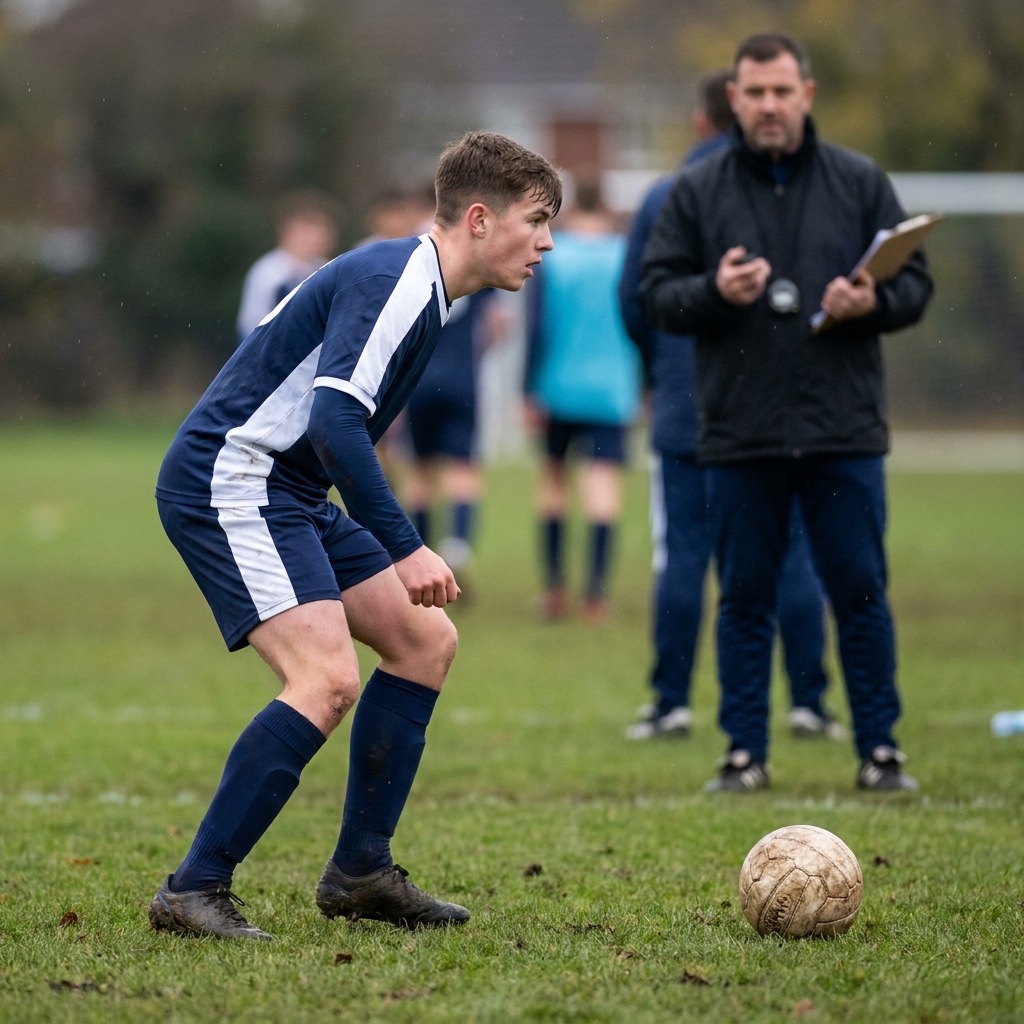
Most 1v1s are lost in the first second, when the defender rushes in and dives. Teach your players to slow the attacker down, take away the dangerous option and pick the right moment, and they will win far more of them.

The FA's FutureFit framework lands this season, bringing a 3v3 entry format at Under-7s. Here is what actually changes on a Saturday morning, and how to coach it well.