The object is for the attacking player to use their body to hide the ball from the opponent. Contact is encouraged but only in the way it would be acceptable in a match environment. Defending player needs to only touch the ball with their foot. Attacker starts with 10 points, loses one point if they go outside of the area or if the defender touches the ball with their foot. Attacker wins a point if the defender kicks the ball outside of the area.
Focus on body position for attackers, ideally they should be a little side on, using the width of their body to "hide" the ball. arms up to form a protective barrier - this is important for younger players in particular to form a wider barrier.
Attackers should be encouraged to manouevre the ball around the square searching for space, help them to recognise where the spaces are.
Progression - add that the defender can take an attackers point by using their body to move the attacker out of the area but again only in a way that would be acceptable in a match.

in more ways than one
 sportplan_netball


in more ways than one
sportplan_football

Under FutureFit, your Under-9s stay at 5v5, your Under-11s stay at 7v7 and your Under-13s stay at 9v9. Same pitch, same numbers, one more year. Here is how to make sure that year feels like a step forward rather than a repeat.
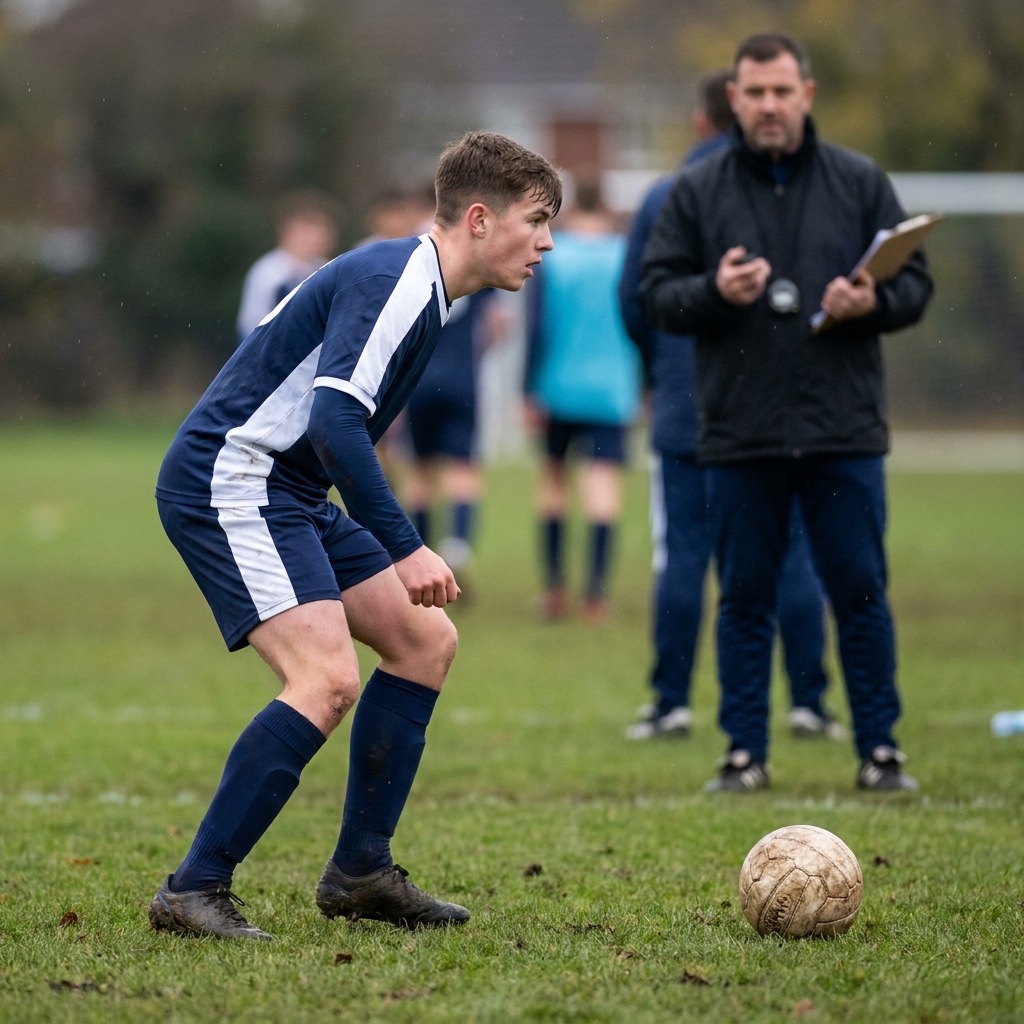
Most 1v1s are lost in the first second, when the defender rushes in and dives. Teach your players to slow the attacker down, take away the dangerous option and pick the right moment, and they will win far more of them.

The FA's FutureFit framework lands this season, bringing a 3v3 entry format at Under-7s. Here is what actually changes on a Saturday morning, and how to coach it well.