The set up of this drill is very simple, 4 squares of 8x8m.
Inside 3 of the 4 squares, there is a possession involved of 3v1 players. at the same moment the fourth square has no defense and the 3 players inside are just passing and moving.
When one of the offensive players inside the 3 possession squares loses the ball, he has to go to the square that's empty and defend. The player that recovers the ball becomes an offensive player.
The main goal of the drill for the team having possession is after two passes find the third man who has to dribble outside the square to score a point.
there is unlimited passes inside the square but the only way to score a point is to do 3 passes on a road and exit the square by dribbling.
Variations
One touch passing inside the square.
Put emphasis on the players mouvement without the ball rather than the movement of the player with the ball.
perception
acceleration of the third man.

in more ways than one
 sportplan_netball


in more ways than one
sportplan_football

Under FutureFit, your Under-9s stay at 5v5, your Under-11s stay at 7v7 and your Under-13s stay at 9v9. Same pitch, same numbers, one more year. Here is how to make sure that year feels like a step forward rather than a repeat.
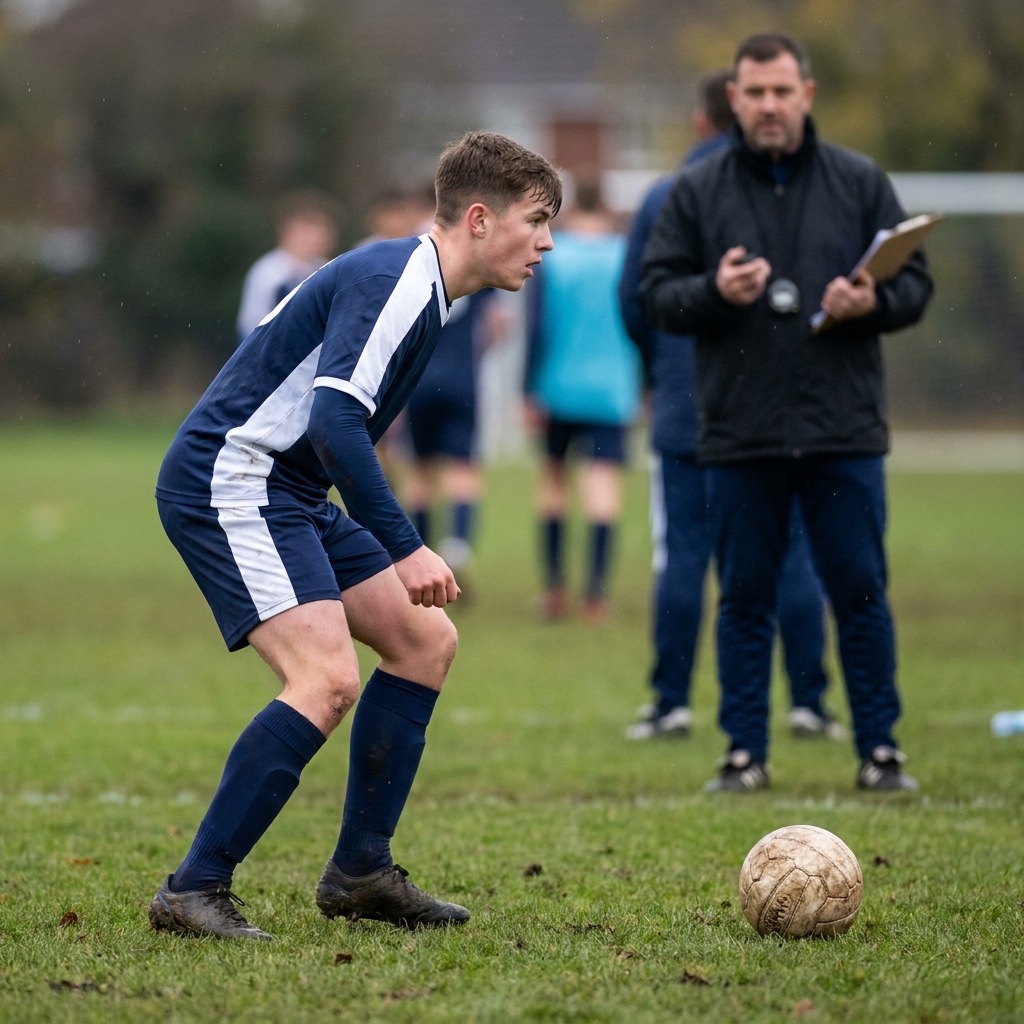
Most 1v1s are lost in the first second, when the defender rushes in and dives. Teach your players to slow the attacker down, take away the dangerous option and pick the right moment, and they will win far more of them.

The FA's FutureFit framework lands this season, bringing a 3v3 entry format at Under-7s. Here is what actually changes on a Saturday morning, and how to coach it well.