Coach/Trainer leads the exercise until players are familiar enough to perform on their own.
• Fast footwork activity followed by a sprint and also recovery phase.
• Running patterns and variations are shown in the diagrams below.
• Coach initiates starts to add an element of reaction after a period.
Basic set-up with 5-6 players preferably in each group. All phases include a fast footwork activity followed by a sprint and then a recovery phase.
Jogging
Lateral Shuffle (Shoulders Forward)
Sideways Shuffles
High Knees (Lateral Step Overs)
Triangular Shuffles
Add Cuts
Add Turns
Reverse Shuffles
Lateral Shuffle
Slalom Lunges
2 Footed Hops
Dead Leg Runs
Reverse Figure 8 Pattern
Low center of gravity with executing the footwork exercises and any turns.
2) Plant and drive using the outside foot.
3) Small steps and deceleration when entering into a turn or cut.
4) Balanced head movement.
5) Good arm and leg co-ordination with opposite arm and opposite leg movements.
6) High stride frequency at the beginning of a sprint or acceleration.
7) Slight forward body lean when sprinting or accelerating.
in more ways than one
 sportplan_netball


in more ways than one
sportplan_football
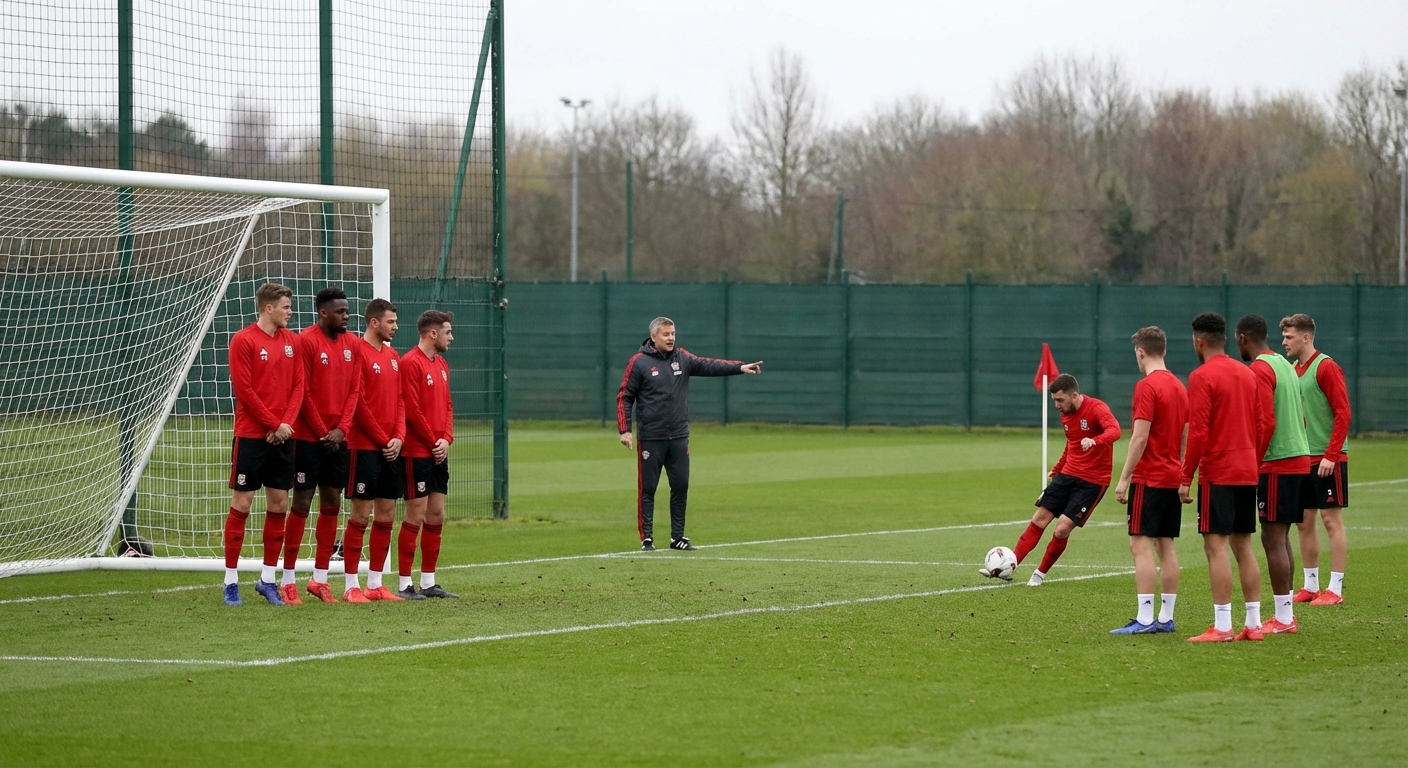
Set pieces account for roughly a third of all goals in football, yet many coaches spend surprisingly little time coaching defensive organisation at corners and free kicks. This article compares zonal and man marking systems, explores hybrid approaches, and provides a practical session structure for building set piece resilience into your team.
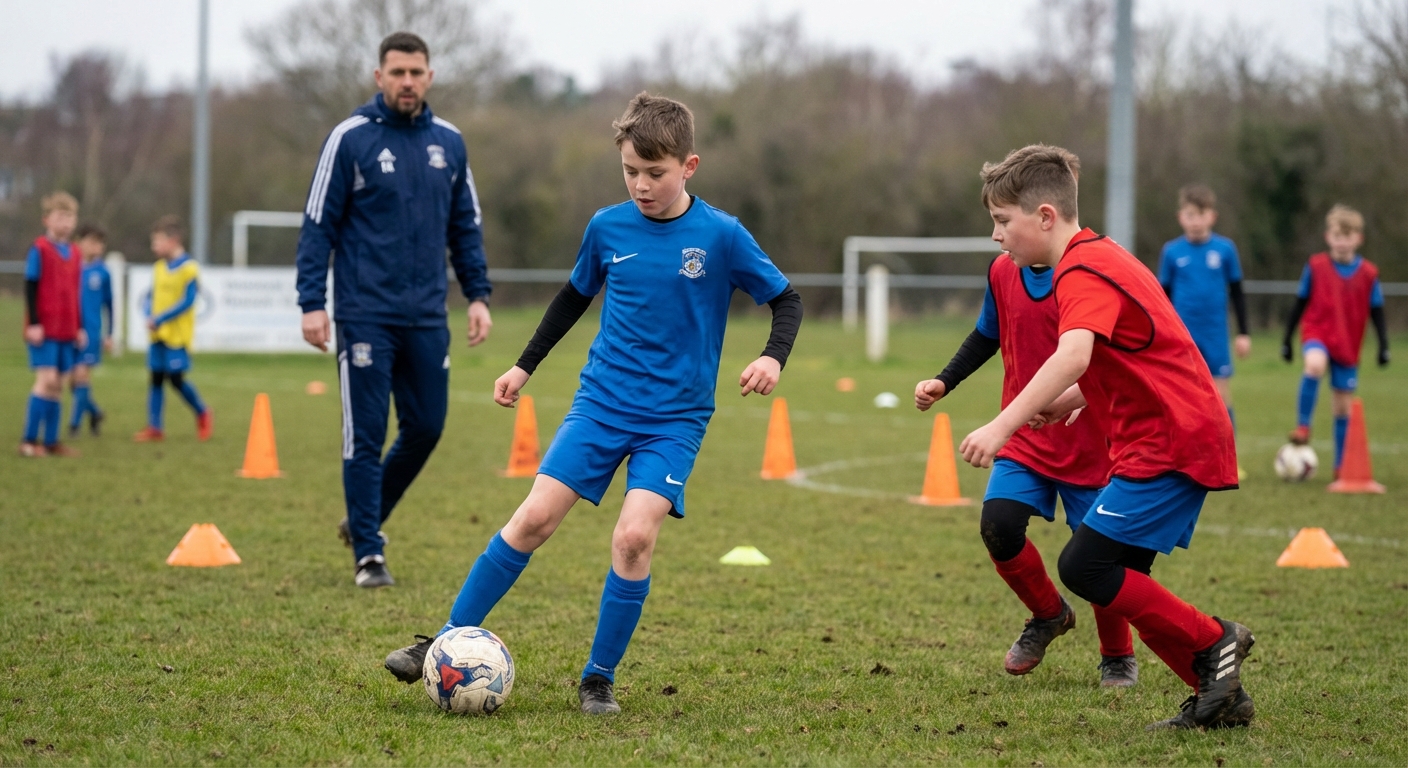
A player's first touch determines everything that follows: whether they can play forward, turn, or simply retain the ball. This article explores why training first touch in isolation is not enough, and how to design sessions that develop this critical skill under realistic game pressure.
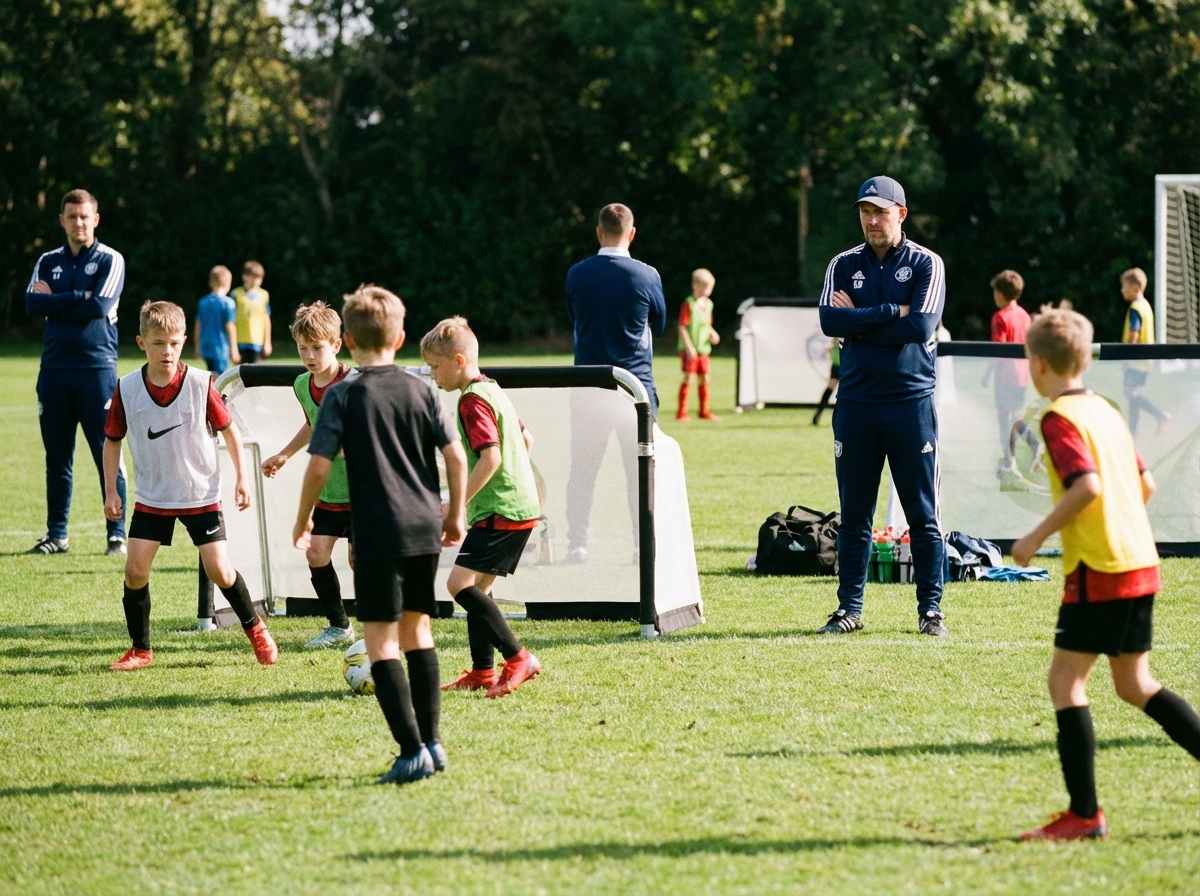
The coaching methodology revolution sweeping grassroots football - and how to implement it at your club this season.