SETUP:
- 20x50 area (15yd zones flanking a 20yd square)
- 2 Neutral fullbacks outside central square, target at each short end of the whole grid
- 2 teams of 2 CBs, 2 CMs, #10 and 1 forward. End grids are 2 CBs v 1 forward, central grid 3v3 with all 6 midfielders
PLAY:
- Play is directional
- Target plays ball into one teams CB, team in possession must play through the central zone and connect with the Target at the far end
- When in possession, 1 midfielder from that team can float into the end zones. Midfielders can also use the neutral FBs (on two touch) to retain the ball. All other players stay in their grids.
- When target is connected, they return the ball to the defenders closest to them
- Any ball OOB, restart from target
COACHING POINTS:
- When receiving from the CBs use starting position to create space in midfield that allows time/space to turn and play forward
- When ball in play use movement off the ball to create the space to play forward; use opposite movements and diagonal runs
- When unable to play forward secure and retain the ball
in more ways than one
 sportplan_netball

in more ways than one
sportplan_football

Under FutureFit, your Under-9s stay at 5v5, your Under-11s stay at 7v7 and your Under-13s stay at 9v9. Same pitch, same numbers, one more year. Here is how to make sure that year feels like a step forward rather than a repeat.
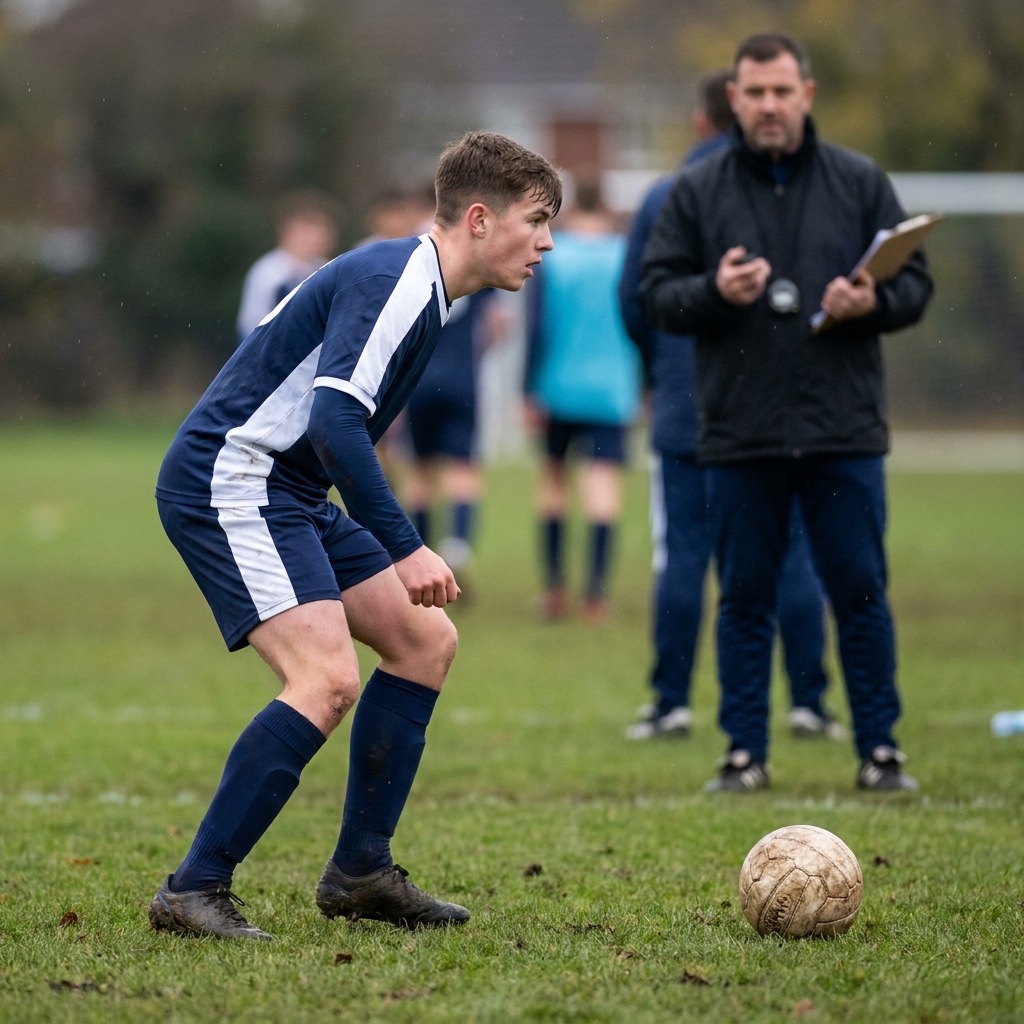
Most 1v1s are lost in the first second, when the defender rushes in and dives. Teach your players to slow the attacker down, take away the dangerous option and pick the right moment, and they will win far more of them.

The FA's FutureFit framework lands this season, bringing a 3v3 entry format at Under-7s. Here is what actually changes on a Saturday morning, and how to coach it well.