

YOUNGER GROUPS
Similar to above game, players without the ball apply pressure to their partners, encouraging them to sprint, turn and dodge. Improving their technical skills and movement.
Players should be encouraged to maintain control of the ball at all times. If they lose control of the ball by bumping into another group or stepping outside of the marked area then the ball will be given to the partner.
NB: The number of partners within the area applies pressure to the person dribbling with the ball. Giving an opportunity for them to carefully think about were their next move will be. Not only concentrating on the person pressuring them but also the other players surrounding them, which relates to a game situation.
Progression Ideas:

in more ways than one
 sportplan_netball



in more ways than one
sportplan_football

Under FutureFit, your Under-9s stay at 5v5, your Under-11s stay at 7v7 and your Under-13s stay at 9v9. Same pitch, same numbers, one more year. Here is how to make sure that year feels like a step forward rather than a repeat.
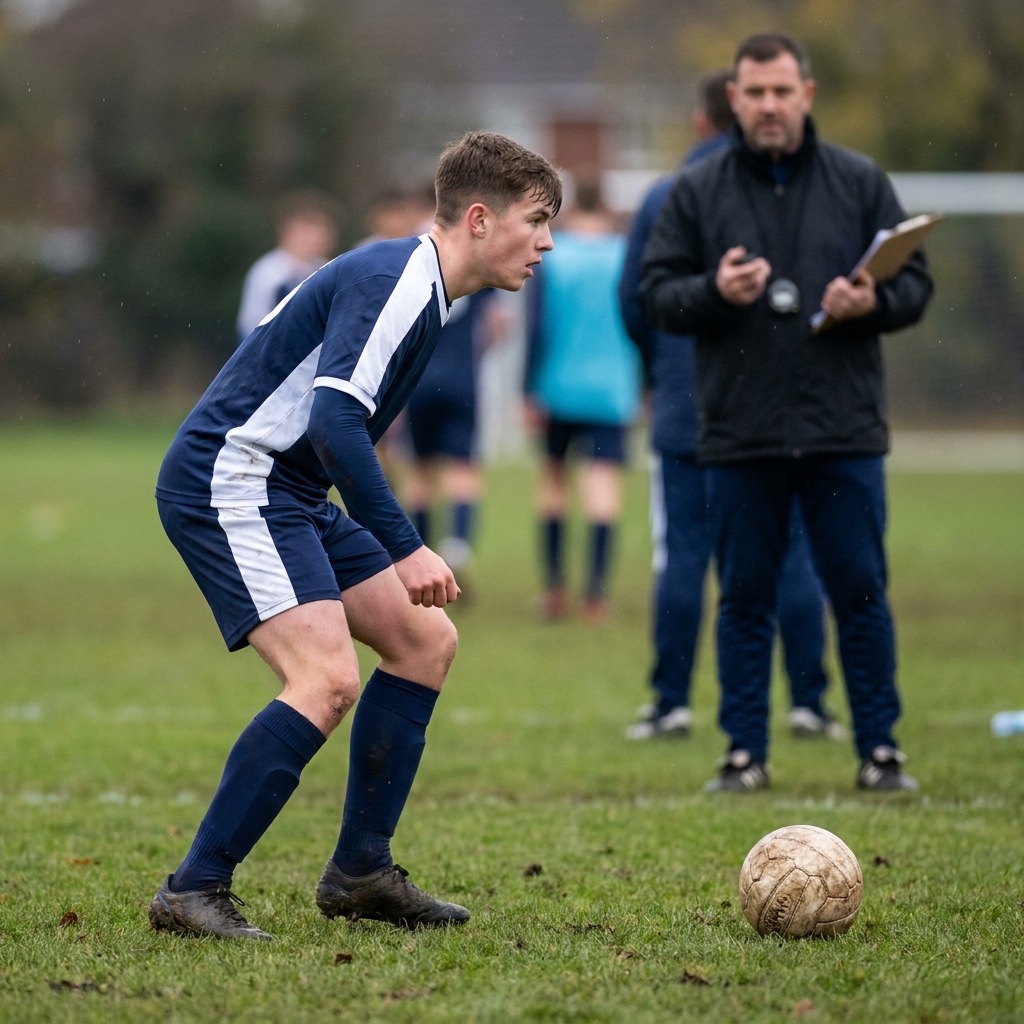
Most 1v1s are lost in the first second, when the defender rushes in and dives. Teach your players to slow the attacker down, take away the dangerous option and pick the right moment, and they will win far more of them.

The FA's FutureFit framework lands this season, bringing a 3v3 entry format at Under-7s. Here is what actually changes on a Saturday morning, and how to coach it well.









