YOUNGER GROUPS
Players are encouraged to STEAL a ball then KEEP IT for as long as they can. Some players have a ball, others that don't have a ball try and STEAL a ball from anyone else then look to keep it. If you have a ball when coach STOPS the game, you score a point.
Players sould be encouraged to maintain control. If they lose control by bumping into other players or go out of the area, this becomes a FREE BALL that needs to be passed onto someone without a ball.
NB: number of footballs dependent upon number of players and outcomes you hope to achieve. More balls allow opportunities to manipulate the ball, taking balls away encourages players to use individual possession skills under pressure
Progression Ideas:
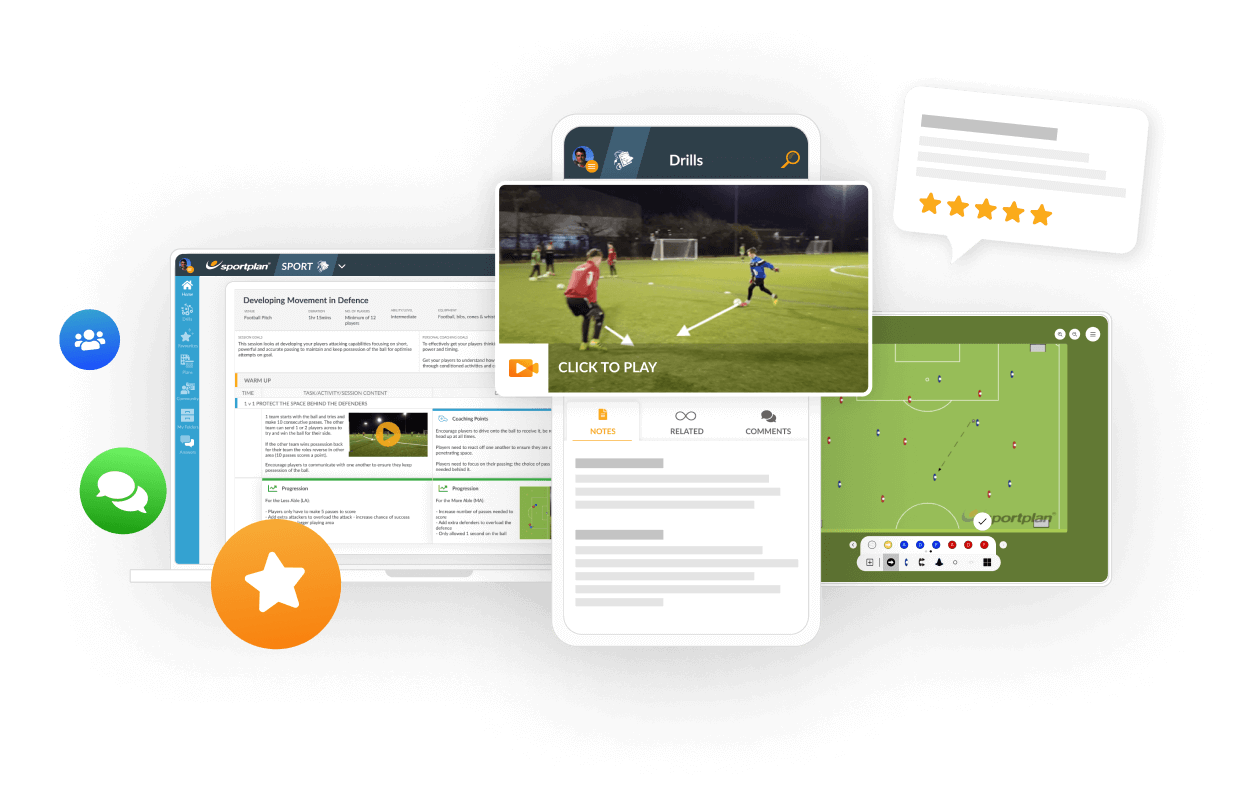
in more ways than one
 sportplan_netball

in more ways than one
sportplan_football
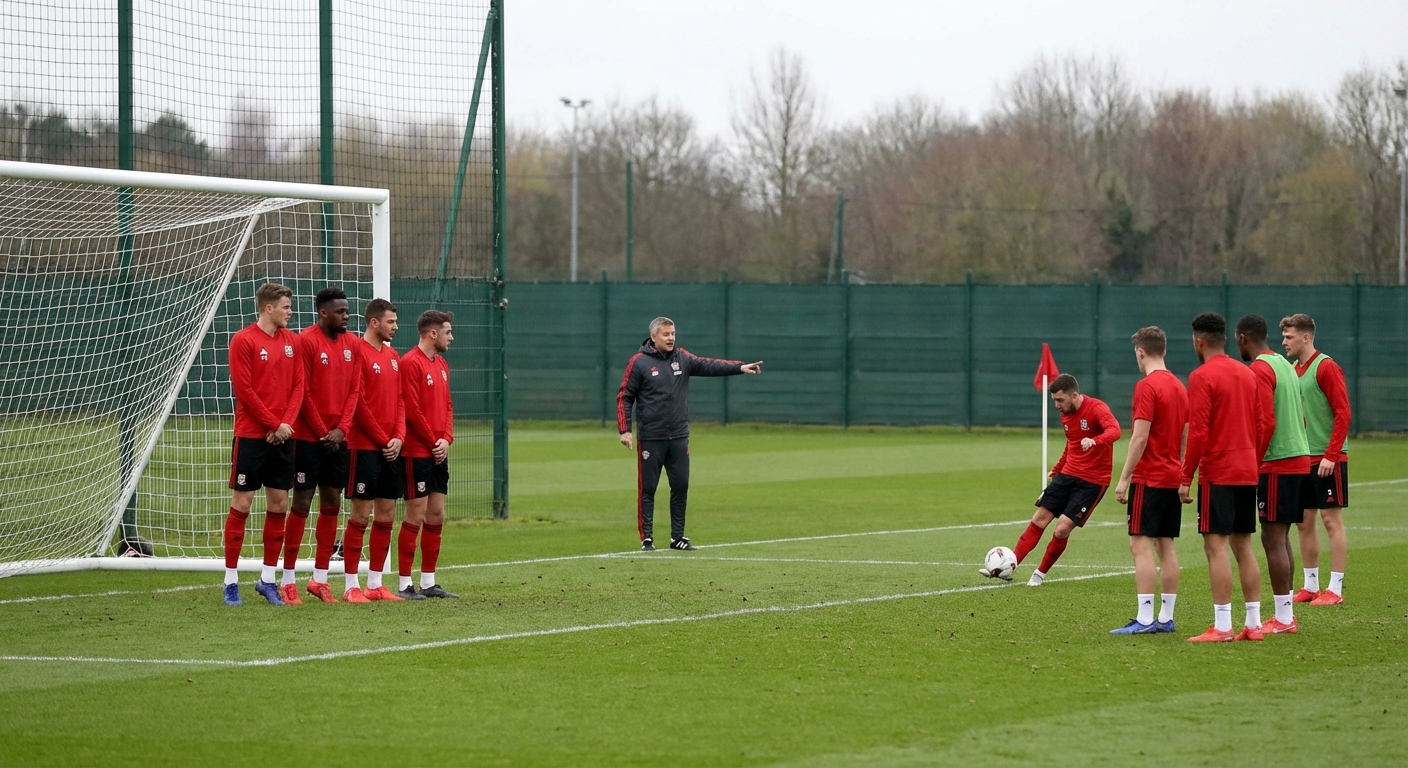
Set pieces account for roughly a third of all goals in football, yet many coaches spend surprisingly little time coaching defensive organisation at corners and free kicks. This article compares zonal and man marking systems, explores hybrid approaches, and provides a practical session structure for building set piece resilience into your team.
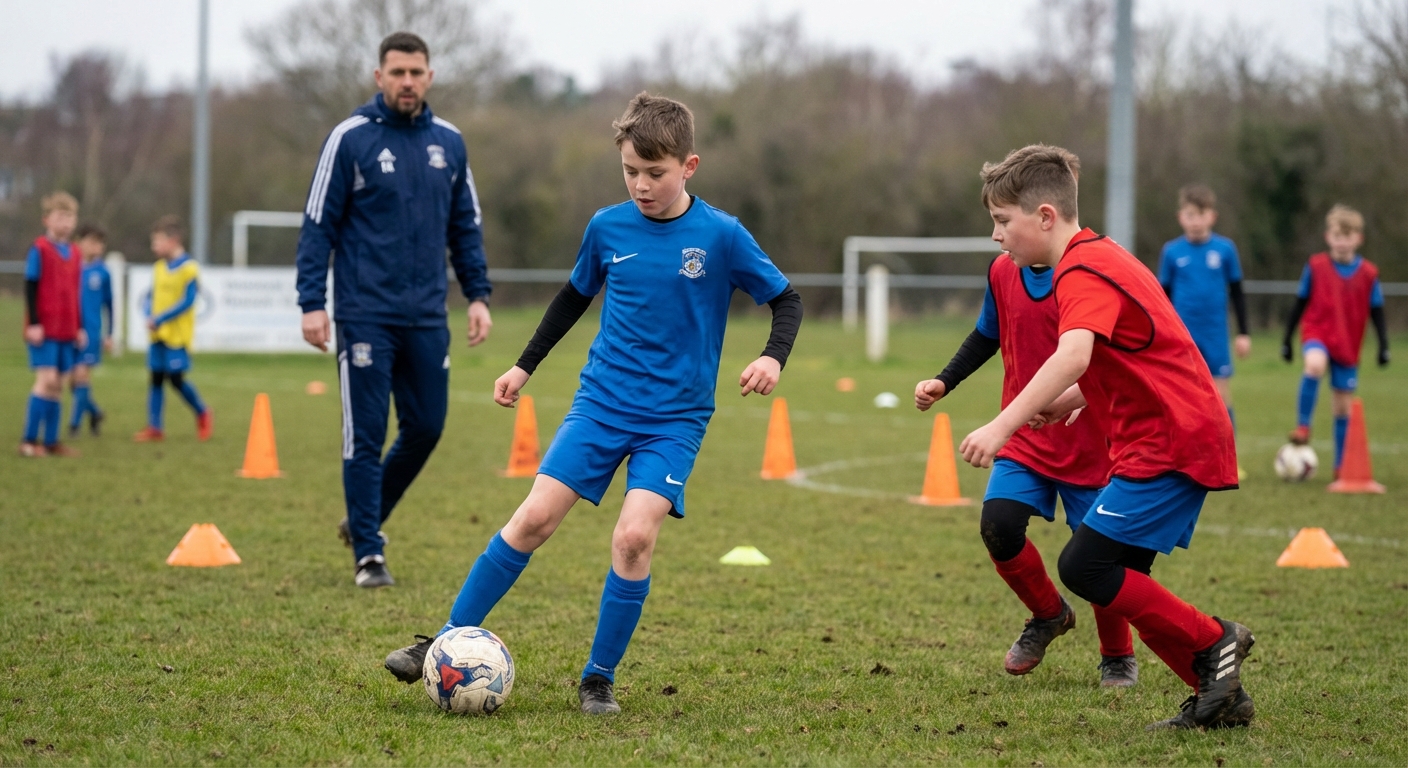
A player's first touch determines everything that follows: whether they can play forward, turn, or simply retain the ball. This article explores why training first touch in isolation is not enough, and how to design sessions that develop this critical skill under realistic game pressure.
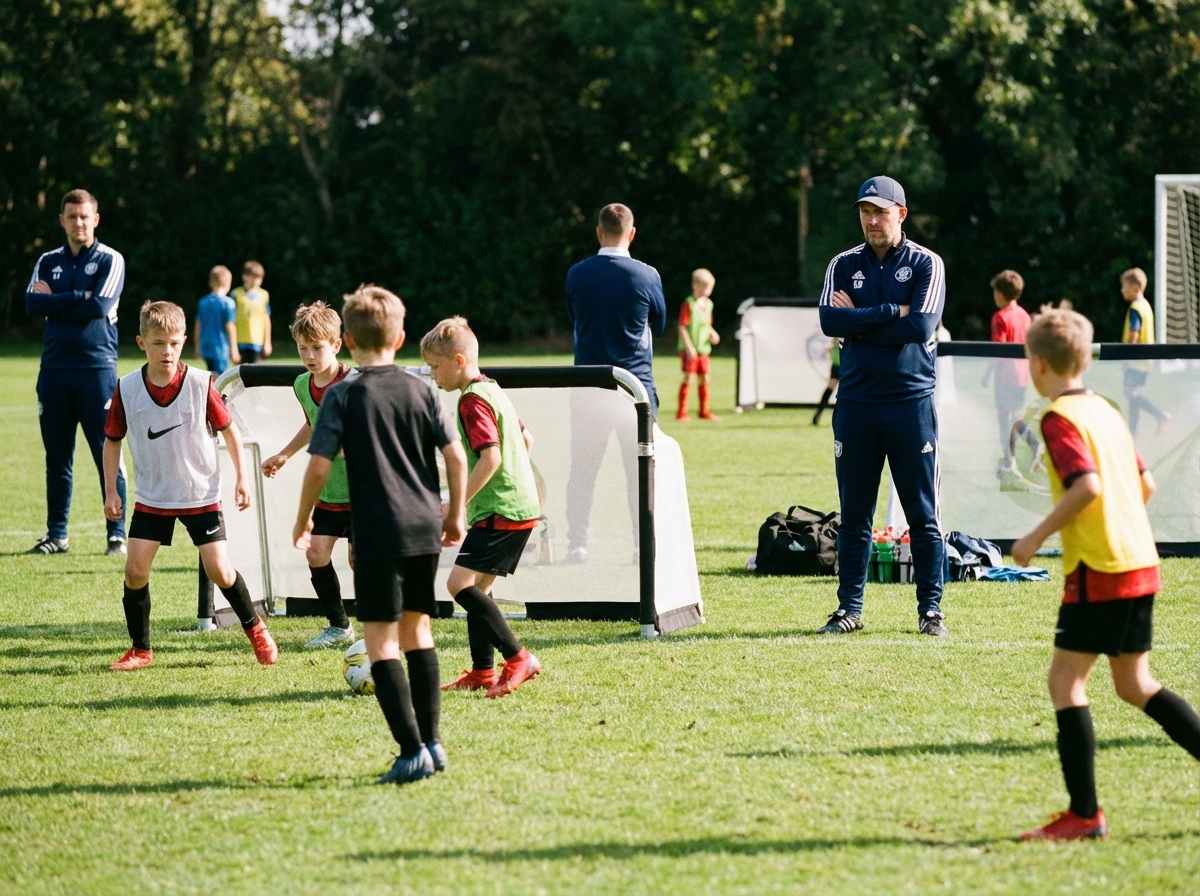
The coaching methodology revolution sweeping grassroots football - and how to implement it at your club this season.