Combining different types of passing and receiving in one drill.
1. 1 plays a 1-2 with 2
2. 1 hits a pass into 3 who has made a run.
3. 3 hits a pass out wide to player 4 who makes an overlapping run.
4. 4 hits in the pass to 5 who turns to their right.
5. 5 passes to 6 who has come down the pitch (if player 3 starting position is in between player 5 and 6 this gives them the visual queue to make sure they move deeper)
6. On receival makes a quick run at pace (2-5m) and then passes back to 1 where it repeats.
Players go to the next numbered cone so depending on age and fitness of players it can be beneficial to have 2 players on some cones (I run this is groups of 8 with 2 on players 1 &5)
Distance between cones can vary depending on skill but a good starter is around 20m from 1 - 5.
This combines a few skills I usually combine this after a 2-3 week passing/receiving block.
Things to look for
in more ways than one
 sportplan_netball

in more ways than one
sportplan_football
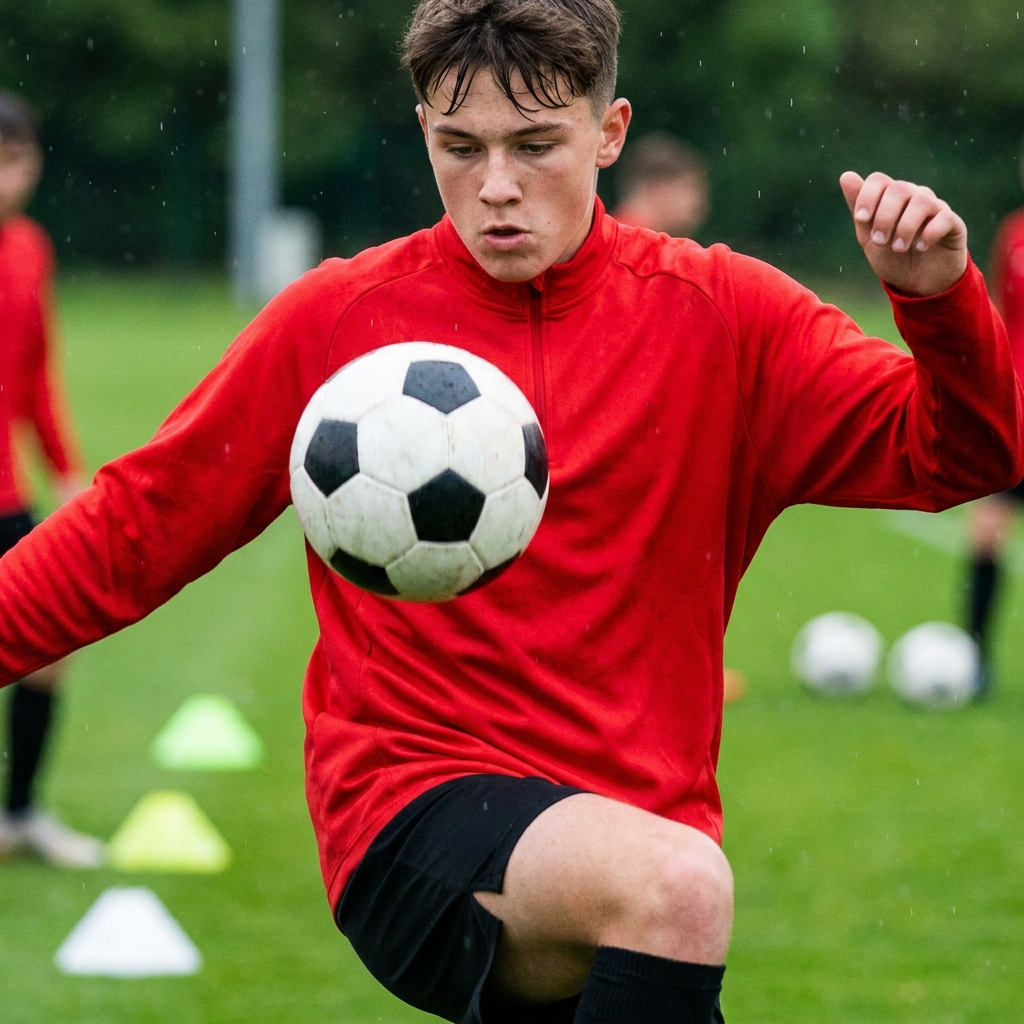
Deliberate heading is now out of U11 grassroots matches. Here is how to coach chest, thigh and foot control so your players still win the ball in the air.
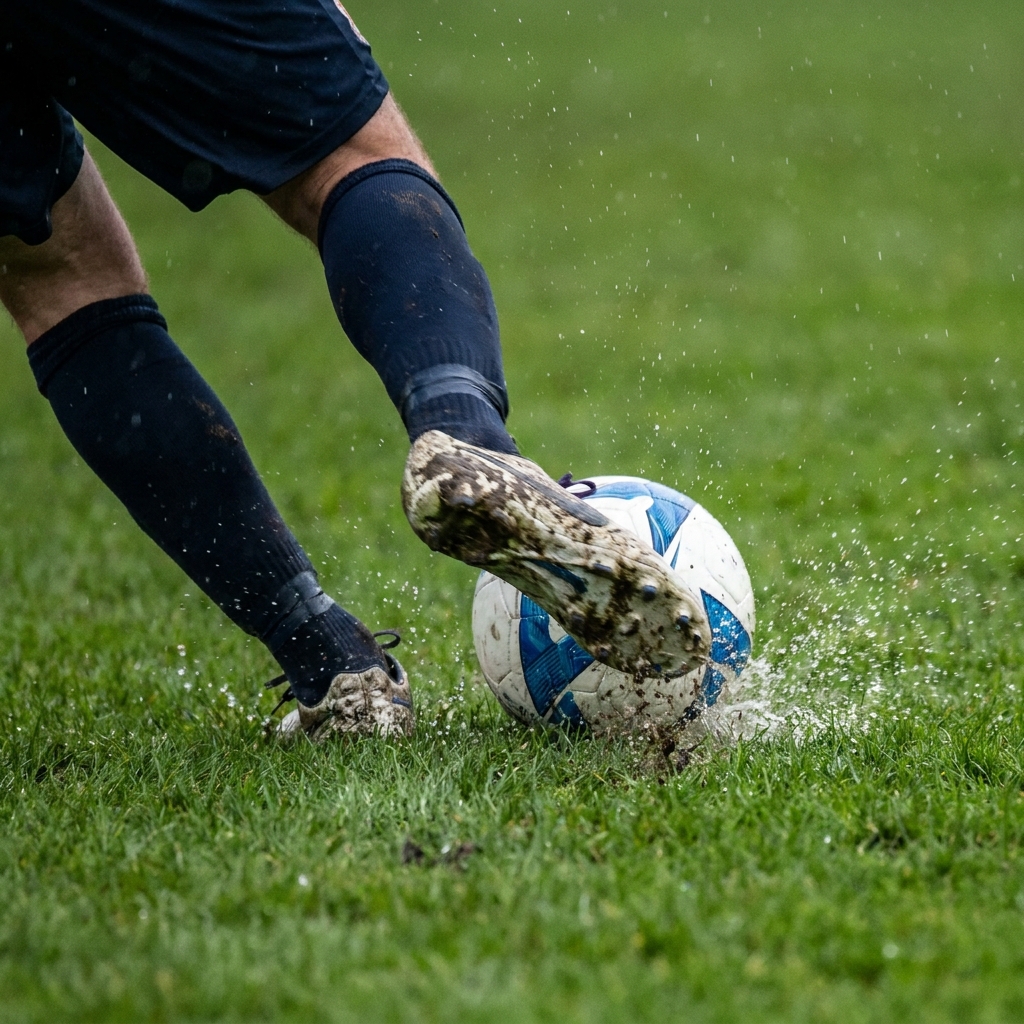
Long-range goals doubled at the 2026 World Cup as teams sat deep. Here is how to coach when to shoot from distance, the technique, and the follow-up.
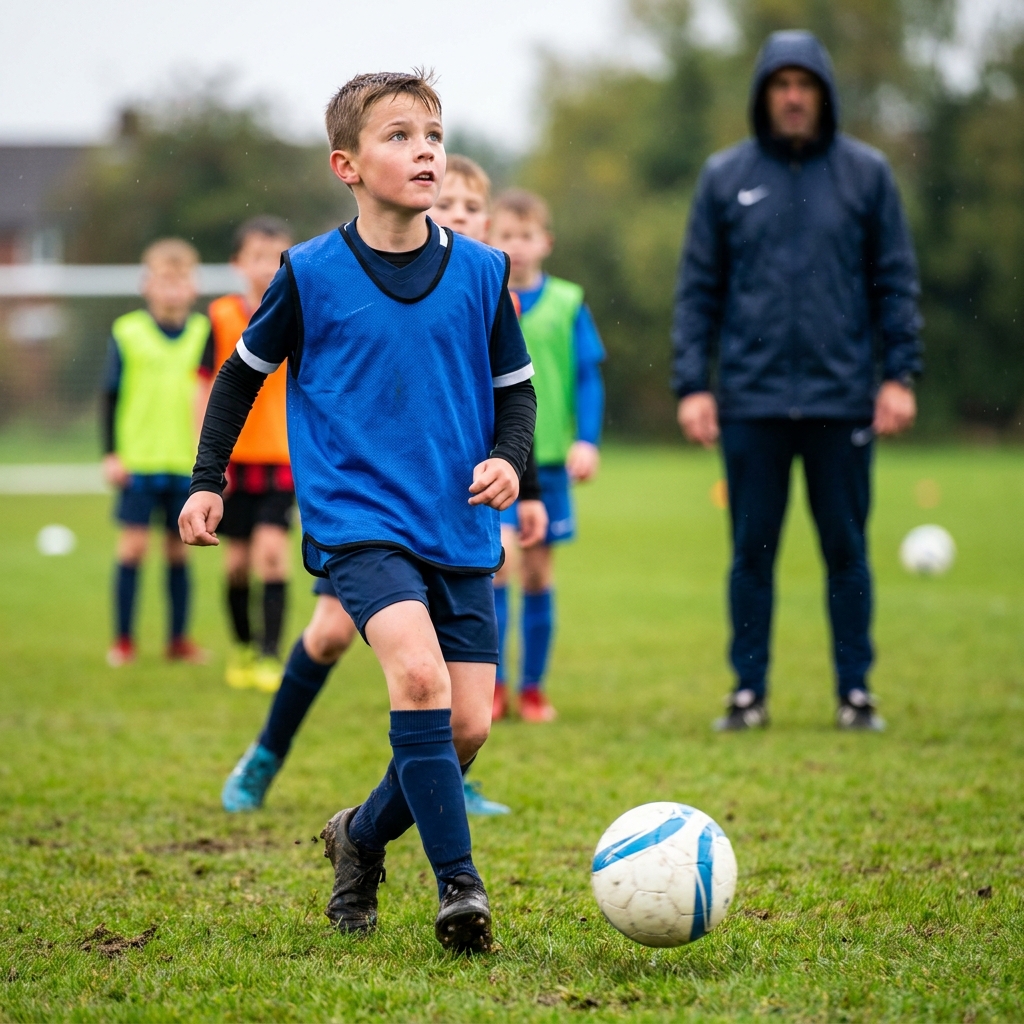
Under FutureFit, your Under-9s stay at 5v5, your Under-11s stay at 7v7 and your Under-13s stay at 9v9. Same pitch, same numbers, one more year. Here is how to make sure that year feels like a step forward rather than a repeat.