-The central players begin the drill at the same time by passing to outside players on the opposite sides of the circle.
-The outside player immediately passes to a player adjacent to them on their right or left.
-Make sure the central player maintaines his central positioning.
-As soon as the outside player passes to the player to the right or left, they immediately begin their run to overlap that player.
-The player being overlapped quickly returns the ball to the central player who plays into the space of the overlapping player.
--The overlapping player switches roles with the central player and the play continues.
Leave it up to the players to decide whether to play to the left or right side of the outside player based on whether the player is being used by the other central player.
-Players must play with their heads up scanning the field and communicating so that two balls do not get played to the same player.
in more ways than one
 sportplan_netball

in more ways than one
sportplan_football
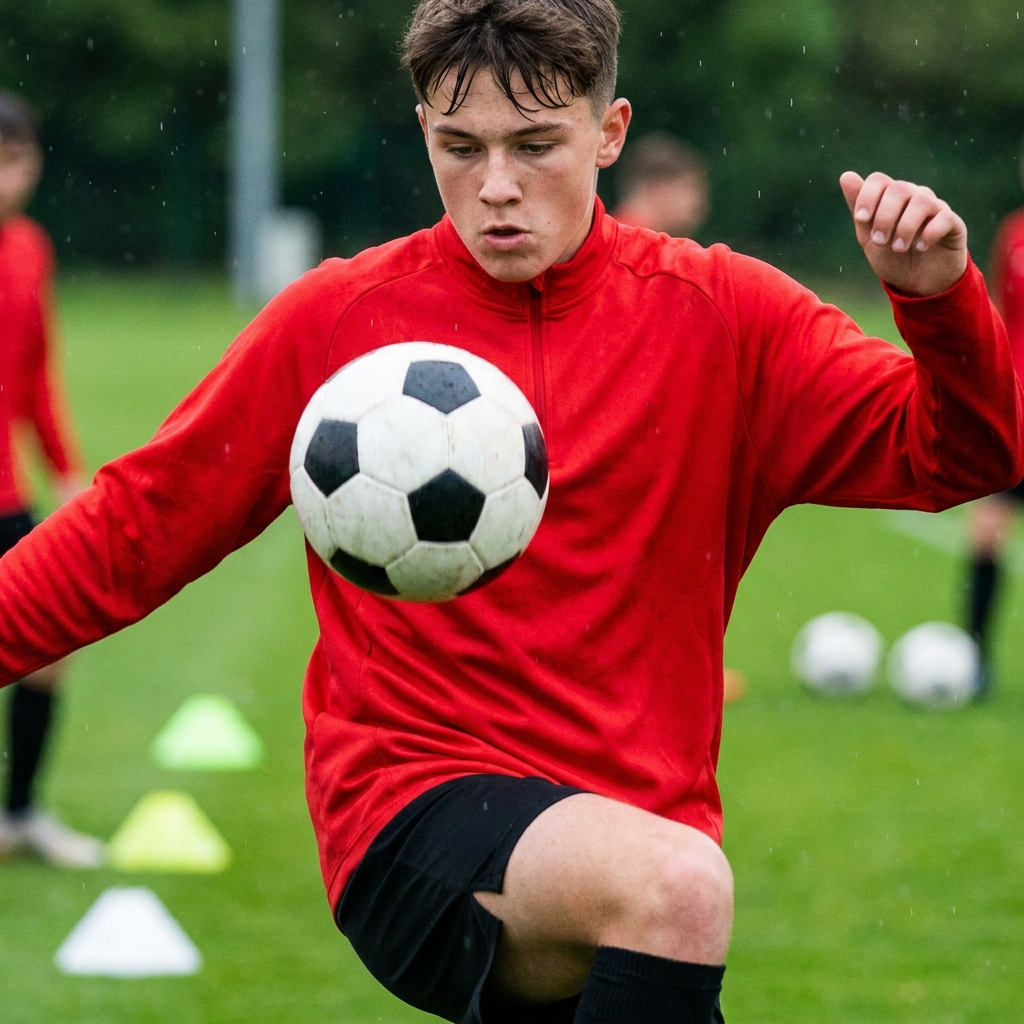
Deliberate heading is now out of U11 grassroots matches. Here is how to coach chest, thigh and foot control so your players still win the ball in the air.
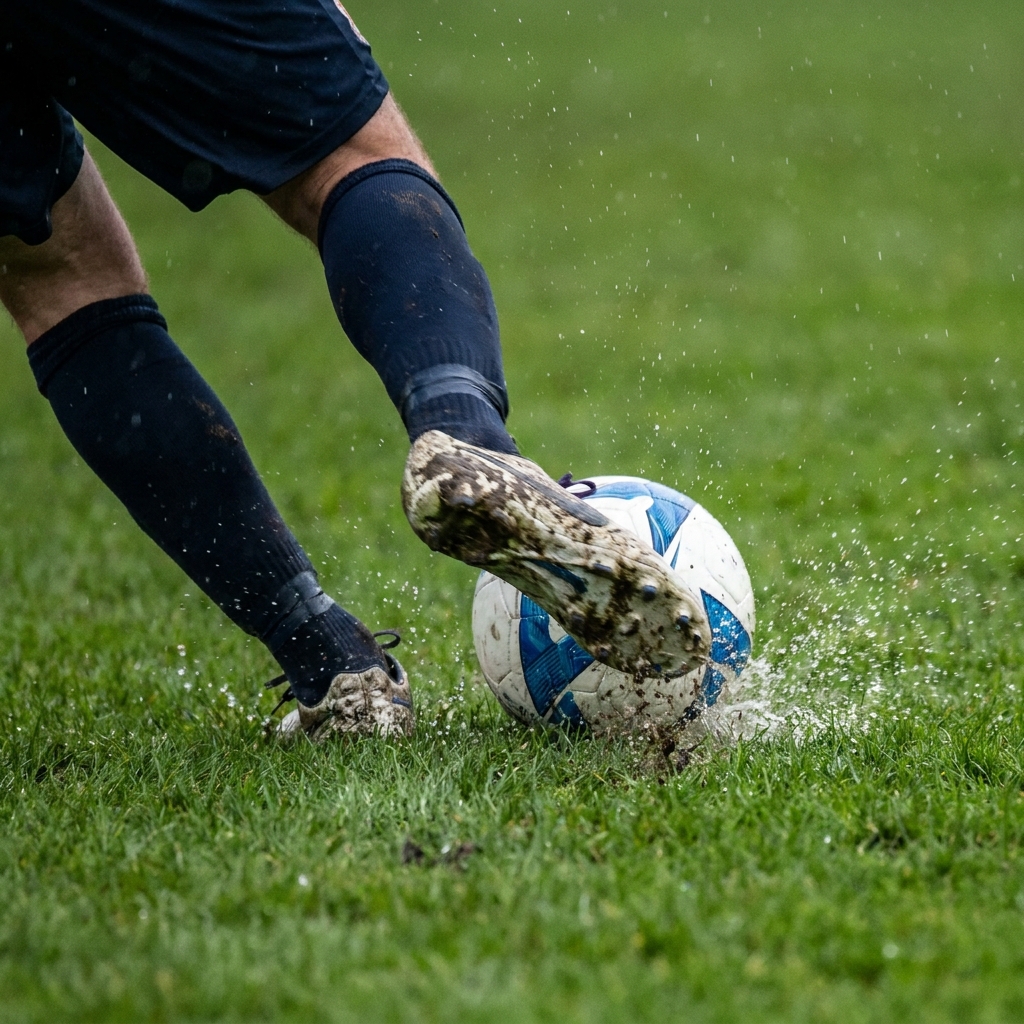
Long-range goals doubled at the 2026 World Cup as teams sat deep. Here is how to coach when to shoot from distance, the technique, and the follow-up.
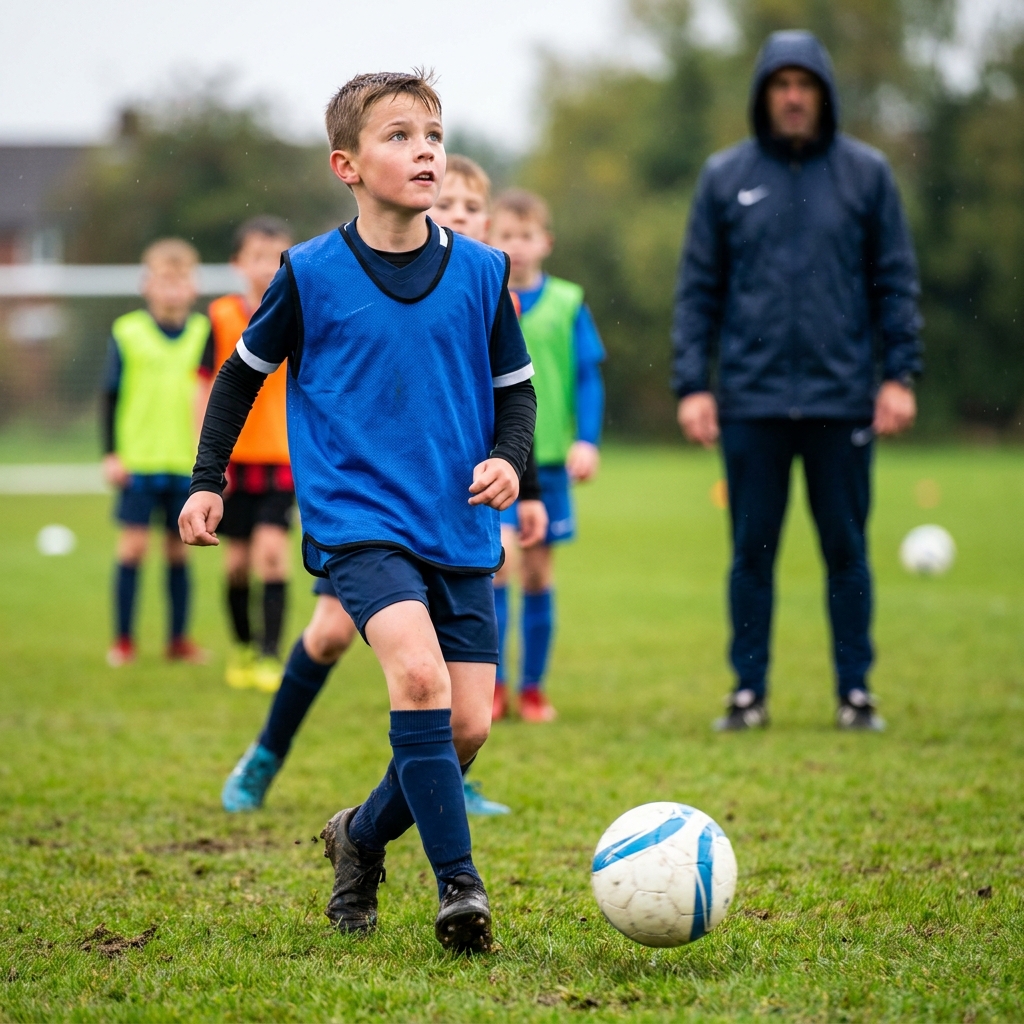
Under FutureFit, your Under-9s stay at 5v5, your Under-11s stay at 7v7 and your Under-13s stay at 9v9. Same pitch, same numbers, one more year. Here is how to make sure that year feels like a step forward rather than a repeat.