Thought up by James
1. 1 v 1 inside the box. Attacker trying to pass (not shoot) through the yellow goal.
2. Attackers outisde the box can receive the ball from attacker and pass back into box, but cannot enter box or try to score.
3. If the defender gets the ball, they have to try and get ball hrough one of the green targets (replicating controlled clearance to midfield) .
4. Switch players around if there is a bad pass to an outside player or an attempt at either goal or a target or if ball dribbled out of area.
Progression:
A) Add a defender or attacker.
B) Make 2 v 2 or 3 v2
Physical: running, turning
Technical: dribbing, controlling, passing, turning
Social: communication with outside players telling them where to pass ball
Psychological: thinking about position, where ball may be passed to, and deciding which target to aim for.
in more ways than one
 sportplan_netball

in more ways than one
sportplan_football
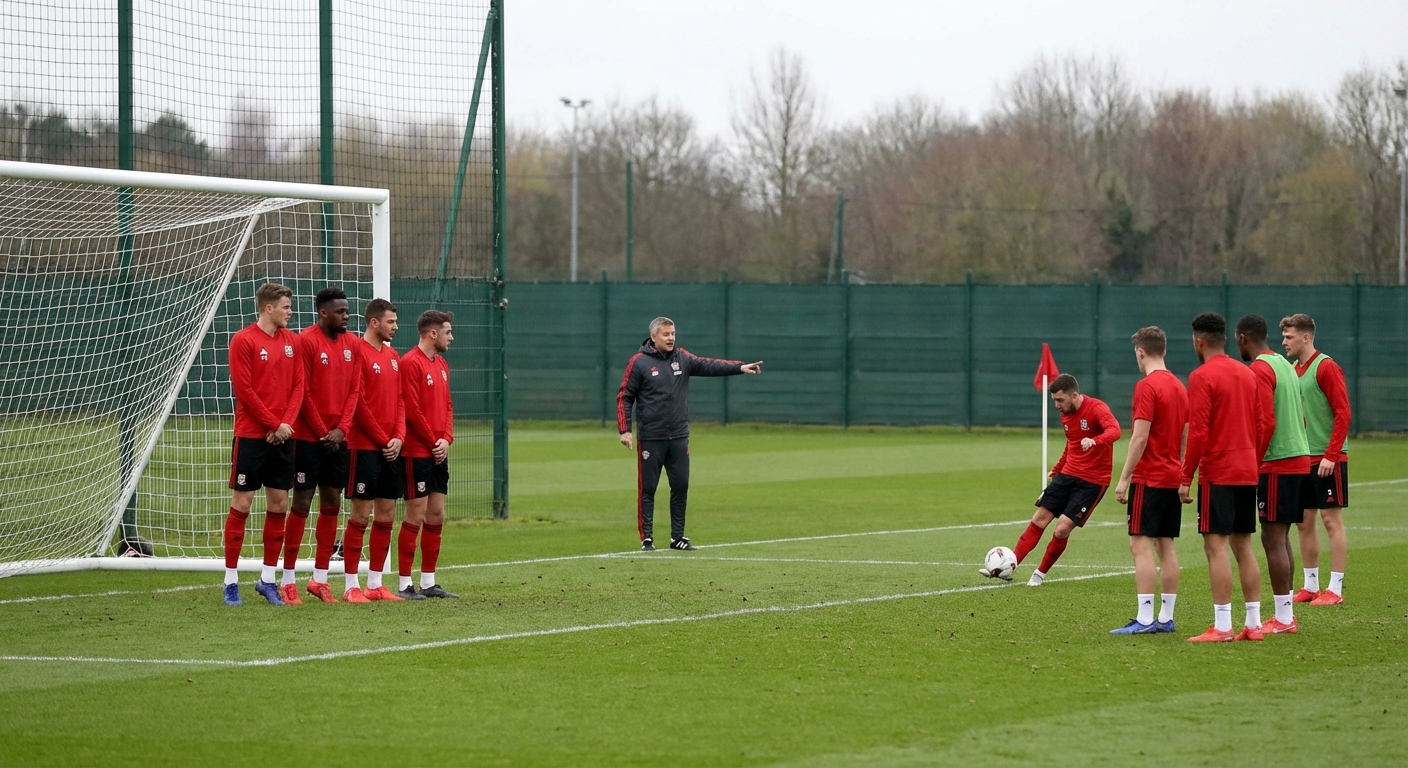
Set pieces account for roughly a third of all goals in football, yet many coaches spend surprisingly little time coaching defensive organisation at corners and free kicks. This article compares zonal and man marking systems, explores hybrid approaches, and provides a practical session structure for building set piece resilience into your team.
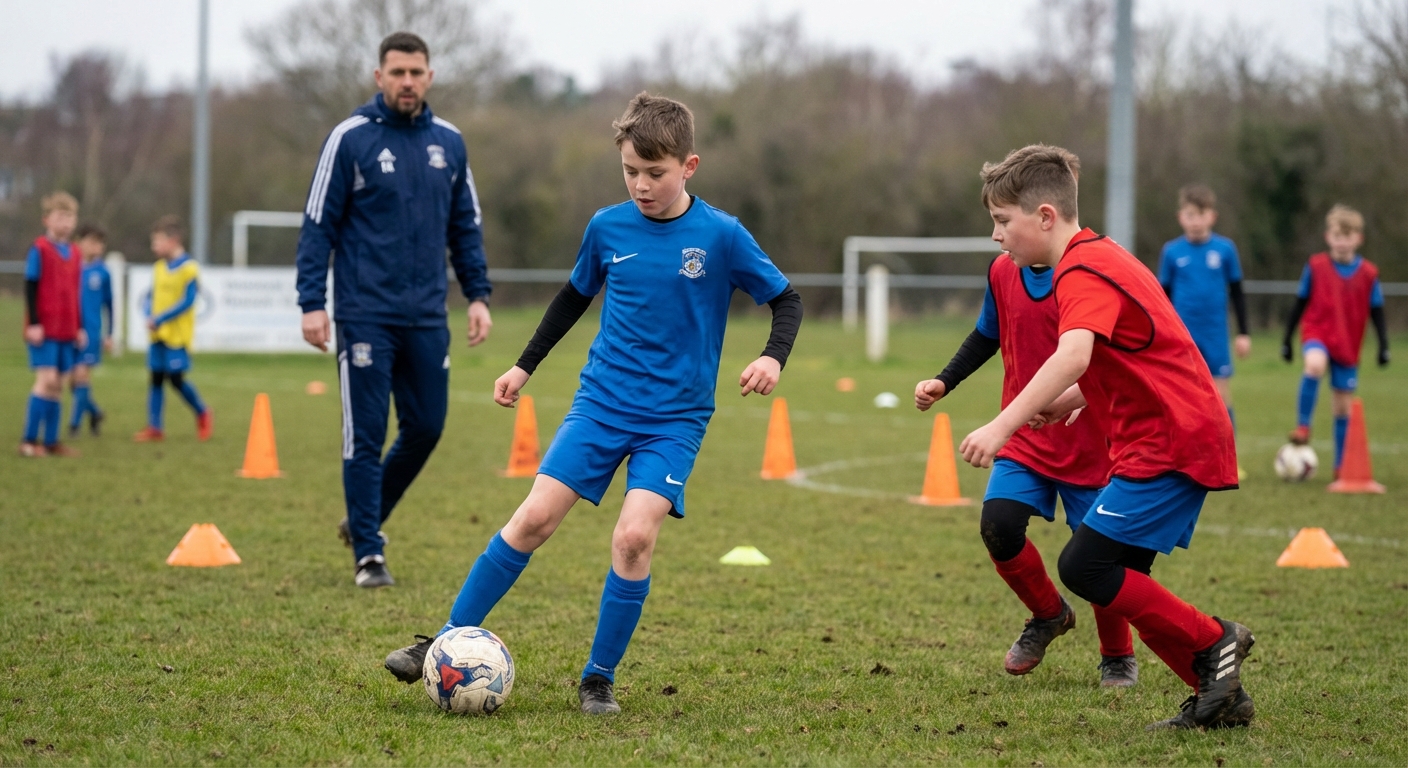
A player's first touch determines everything that follows: whether they can play forward, turn, or simply retain the ball. This article explores why training first touch in isolation is not enough, and how to design sessions that develop this critical skill under realistic game pressure.
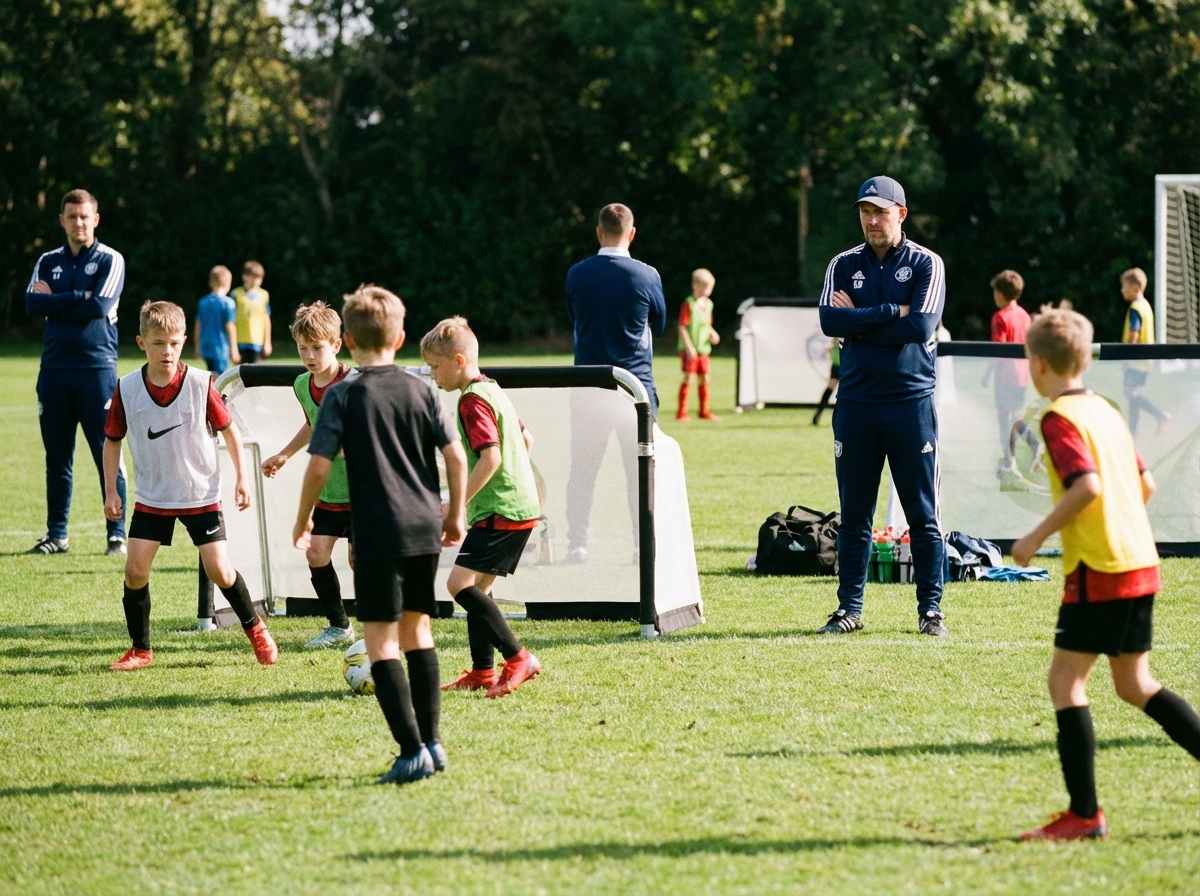
The coaching methodology revolution sweeping grassroots football - and how to implement it at your club this season.