Place a player at each of the four corner cones and two in the middle. The rest of the team lines up in two lines behind the cones in the 18 yd box.
The players in the box start play with each line starting at the same time.
The first player dribbles a couple of steps then passes to the player at the first corner corner cone who made a run around the cone to receive the pass. The passing player runs to the cone to the spot the receiving player just left.
The corner player receiving the ball turns and dribbles a couple of steps then passes the ball to the center player. The passer follows their pass.
The center player dribbles the ball around the cone then passes to the opposite top corner. They follow their pass.
The corner player receives the ball and then dribbles around the cone to the outside and then slalom through the three cones dribbling to the back of the line.
Start the next player in line as soon as the middle player receives the pass.
Many different progressions can be added such as adding a move in the center to simulate beating a defender, doing a pass back or drop to the lower corner who sends a long ball to the opposite corner, or give and go passes at the top corner where a leading pass is given.

in more ways than one
 sportplan_netball

in more ways than one
sportplan_football
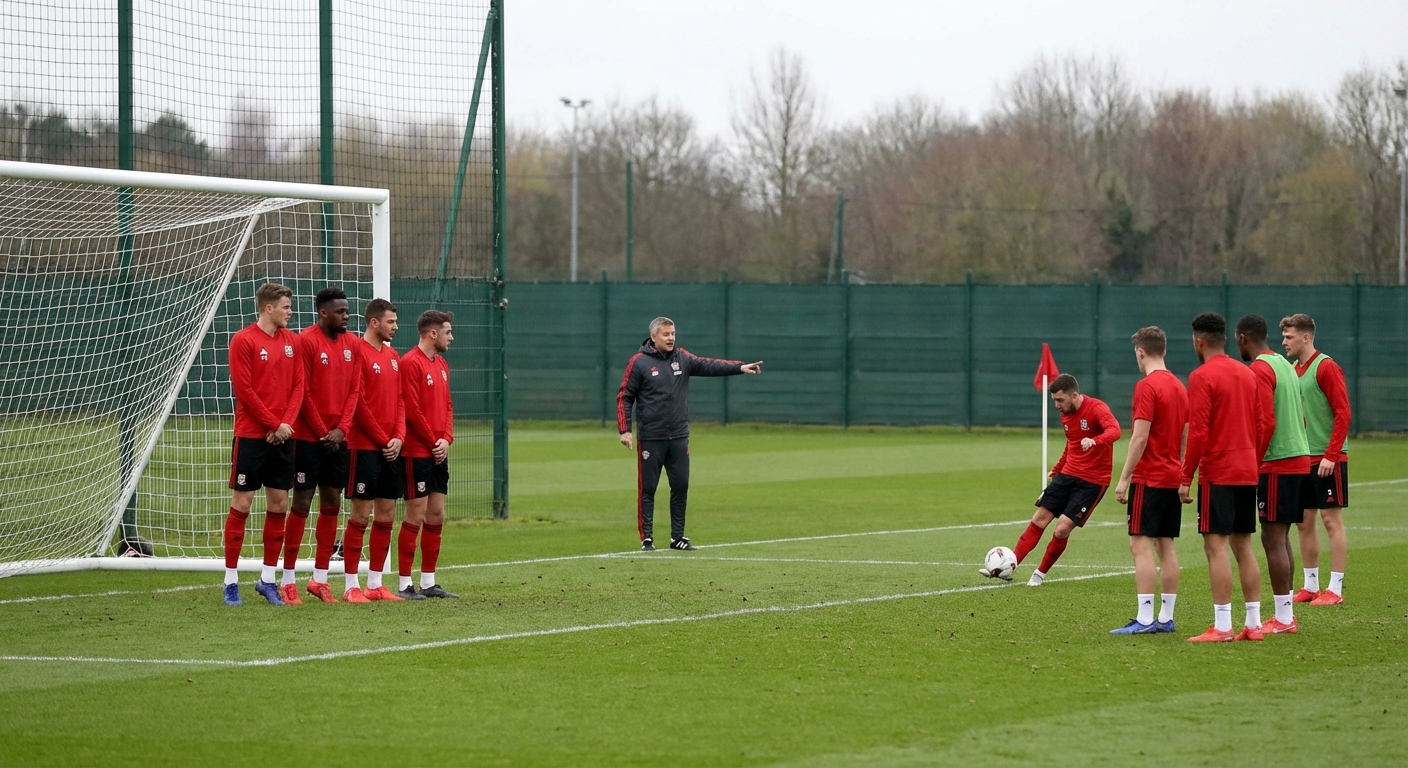
Set pieces account for roughly a third of all goals in football, yet many coaches spend surprisingly little time coaching defensive organisation at corners and free kicks. This article compares zonal and man marking systems, explores hybrid approaches, and provides a practical session structure for building set piece resilience into your team.
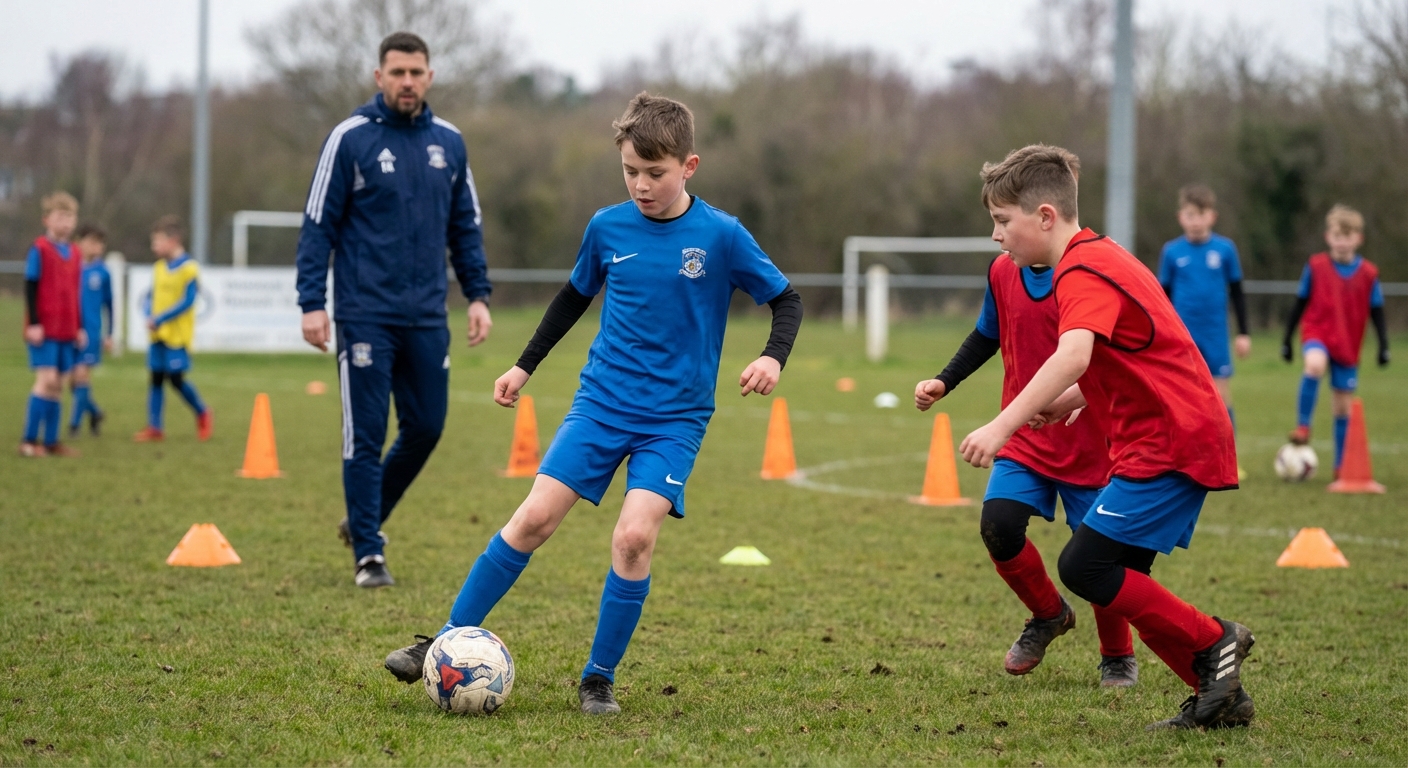
A player's first touch determines everything that follows: whether they can play forward, turn, or simply retain the ball. This article explores why training first touch in isolation is not enough, and how to design sessions that develop this critical skill under realistic game pressure.
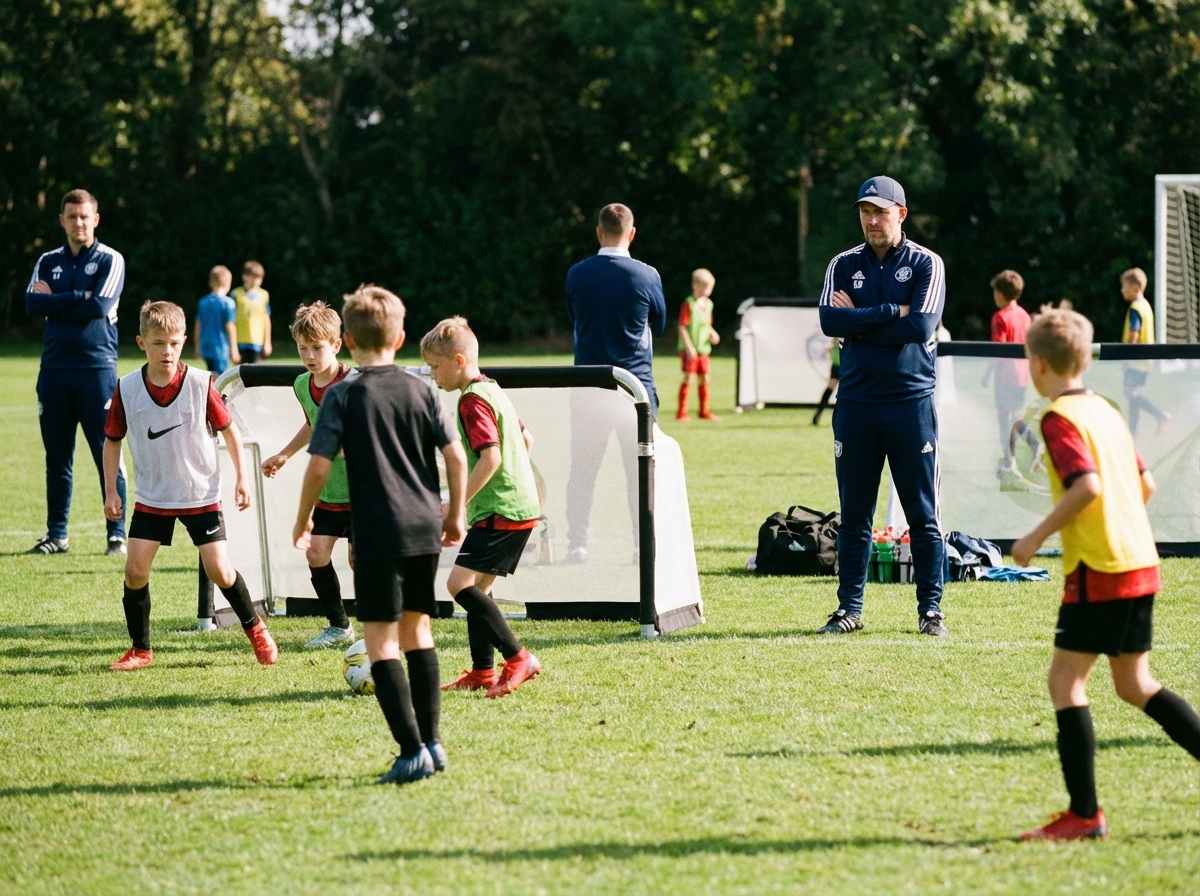
The coaching methodology revolution sweeping grassroots football - and how to implement it at your club this season.