The objective is to force the opponents to play into wide areas and, due to their controlling of the central zone, this is where most of the opposition’s passes end up. This creates a pressing trap because the full back and wide midfielder double up on the player who received the ball out wide, and one central midfielder, if required, presses the nearest passing option from behind. This then forces the opposition to either play a direct ball forward [vertical], a pass back infield [lateral] or pass back to defence [usually diagonally]. The amount of 3v3 and 2v2 situations created by this means that the team require players with a strong 1v1 defensive capacity.
The full back on the strong side of the field comes close to the opposition’s wide midfielder, ready to initiate the pressing trap if the ball is played to them. The striker on the strong side of the field comes a little deeper than his partner, looking to cut off any central passing options. The central midfielder on the strong side of the field looks to cover the half space created by the full back coming close to the opposition’s wide midfielder.

in more ways than one
 sportplan_netball


in more ways than one
sportplan_football
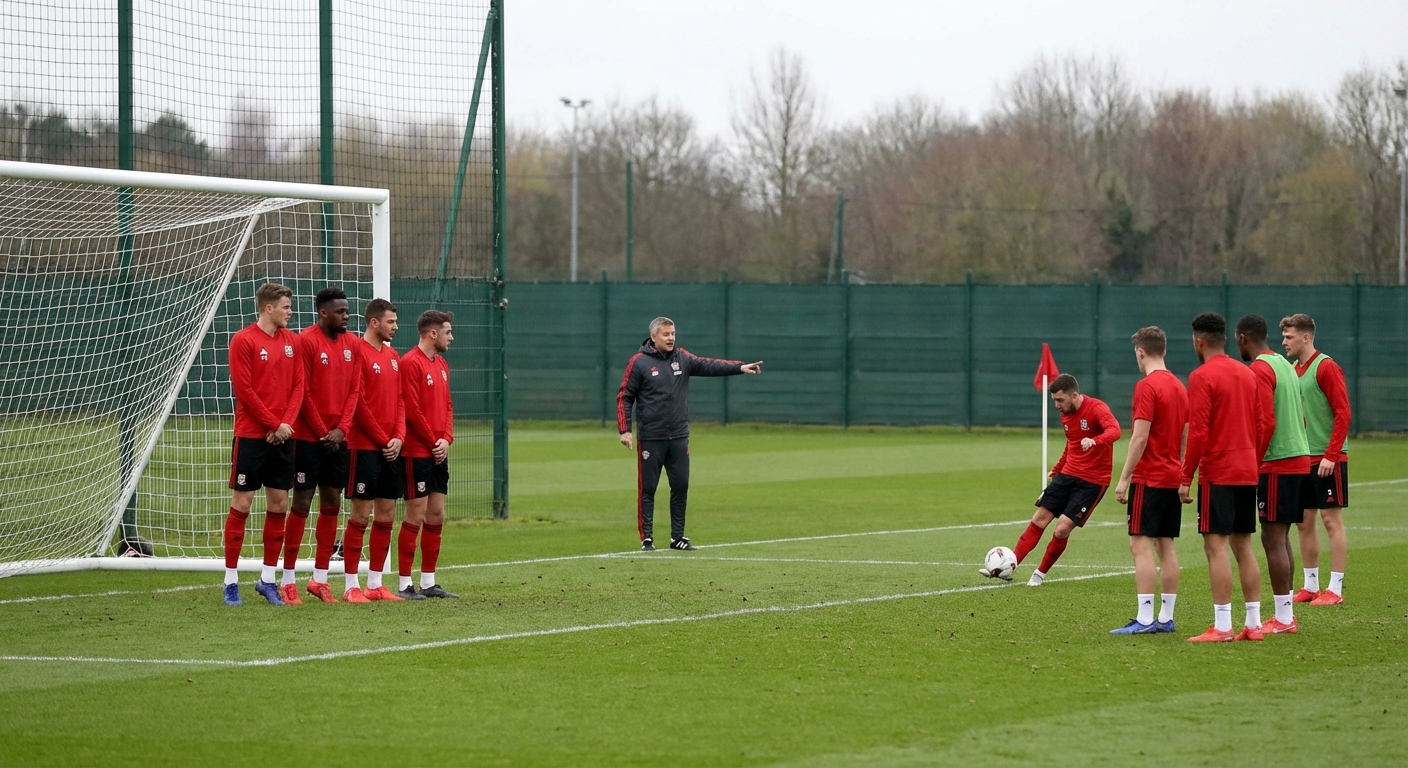
Set pieces account for roughly a third of all goals in football, yet many coaches spend surprisingly little time coaching defensive organisation at corners and free kicks. This article compares zonal and man marking systems, explores hybrid approaches, and provides a practical session structure for building set piece resilience into your team.
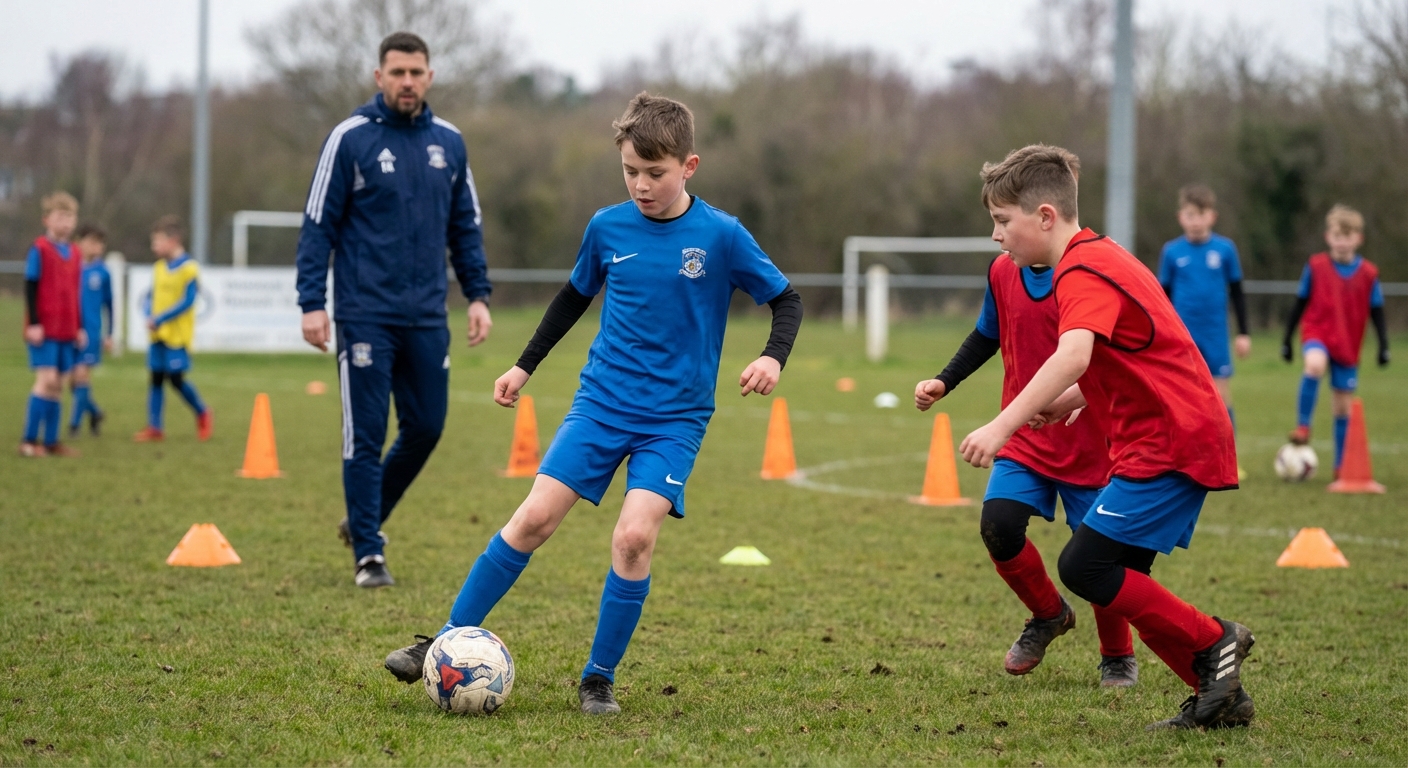
A player's first touch determines everything that follows: whether they can play forward, turn, or simply retain the ball. This article explores why training first touch in isolation is not enough, and how to design sessions that develop this critical skill under realistic game pressure.
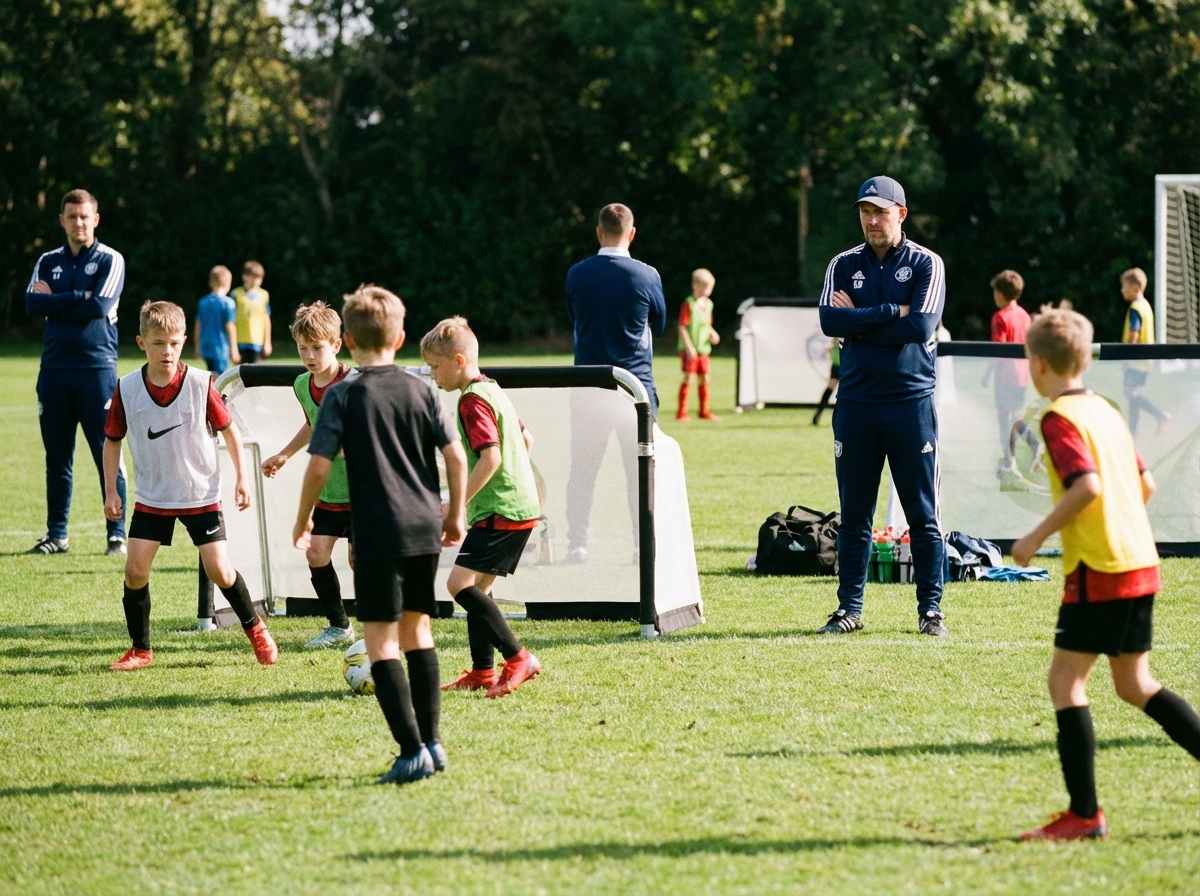
The coaching methodology revolution sweeping grassroots football - and how to implement it at your club this season.