1. Players passing the ball between each others (1/2/3 touches) when they are taking 2 touches it will be Inside control/Inside pass and Outside control/Inside pass. 3 touches will be like same as 2 touches but extra touch.
2. Players on the Black cones are working. Doing 1/2 with the Player on the Red and now running in and pressing the ball. (No tackling)
3. Exactly the same but now jockeying back involved.
Lastly, Players passing the ball between each other, Blue player pass the ball to the red player, and red player have to dribble around the green cone. Soon as player on the green cone turns and dribbles round the cone. Blue player have to go and press the ball. (Tackling involved) Main Aim is to stop them turning and facing you. Force them backwards.
Red player have to get to the red line, Blue player have to force them all the way back to the blue line.
Progression
Now players are working in a group of 8 players, 4 attackers and 4 defenders
1. Red players are passing the ball between each others and Blue players have to try to press the ball. (Only pressing the person infront of yourself) To begin with only pressing the ball and no tackling
2. This time, you are allowed to tackle soon as they come over the green cones. but if they don't come over the green cones, just press the ball. Reds have to try to stop the ball on the 2 red cone lines. If blues win the ball, they have to pass the ball to full back, and full back passes the ball into blue cones.
in more ways than one
 sportplan_netball


in more ways than one
sportplan_football

Under FutureFit, your Under-9s stay at 5v5, your Under-11s stay at 7v7 and your Under-13s stay at 9v9. Same pitch, same numbers, one more year. Here is how to make sure that year feels like a step forward rather than a repeat.
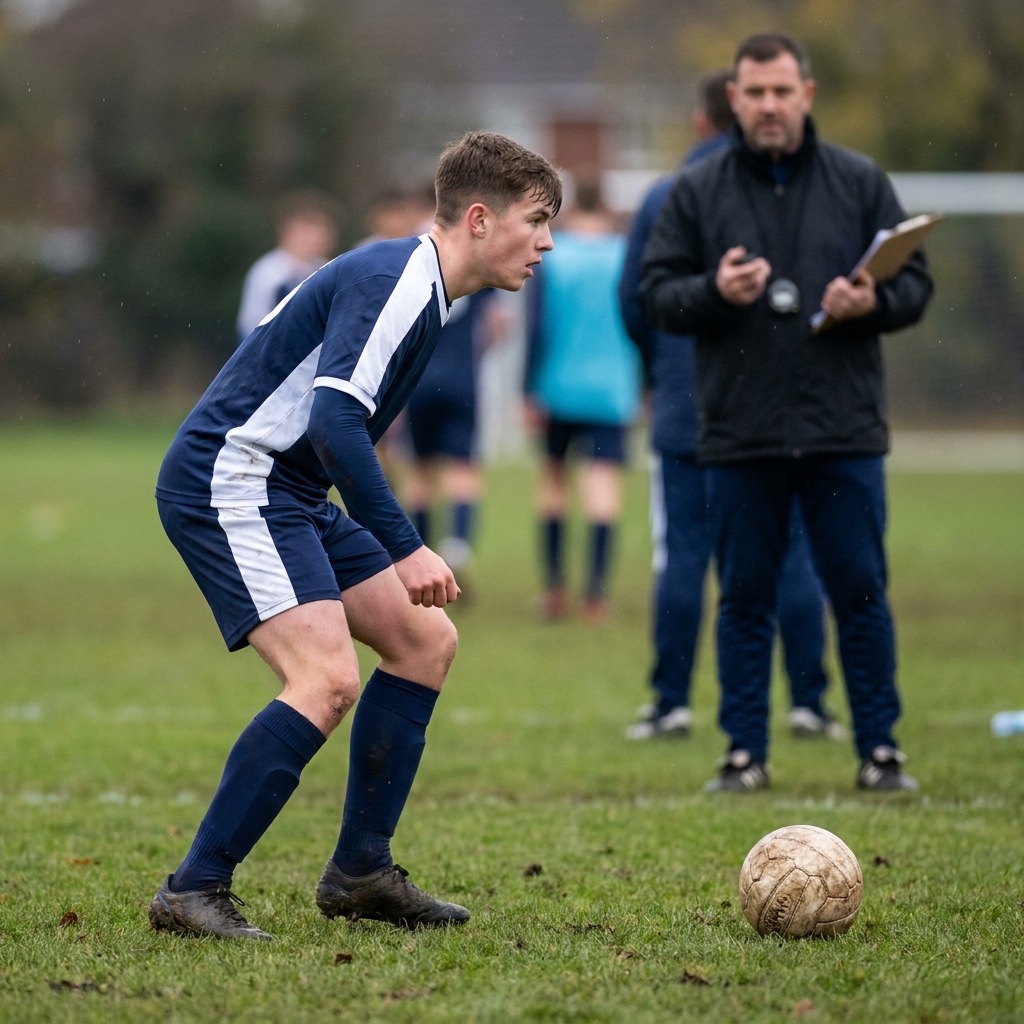
Most 1v1s are lost in the first second, when the defender rushes in and dives. Teach your players to slow the attacker down, take away the dangerous option and pick the right moment, and they will win far more of them.

The FA's FutureFit framework lands this season, bringing a 3v3 entry format at Under-7s. Here is what actually changes on a Saturday morning, and how to coach it well.