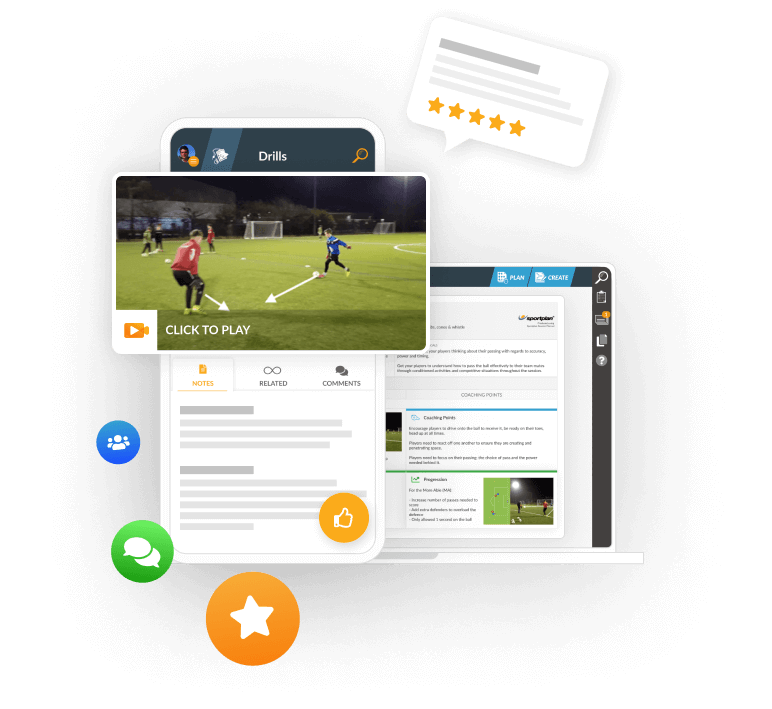
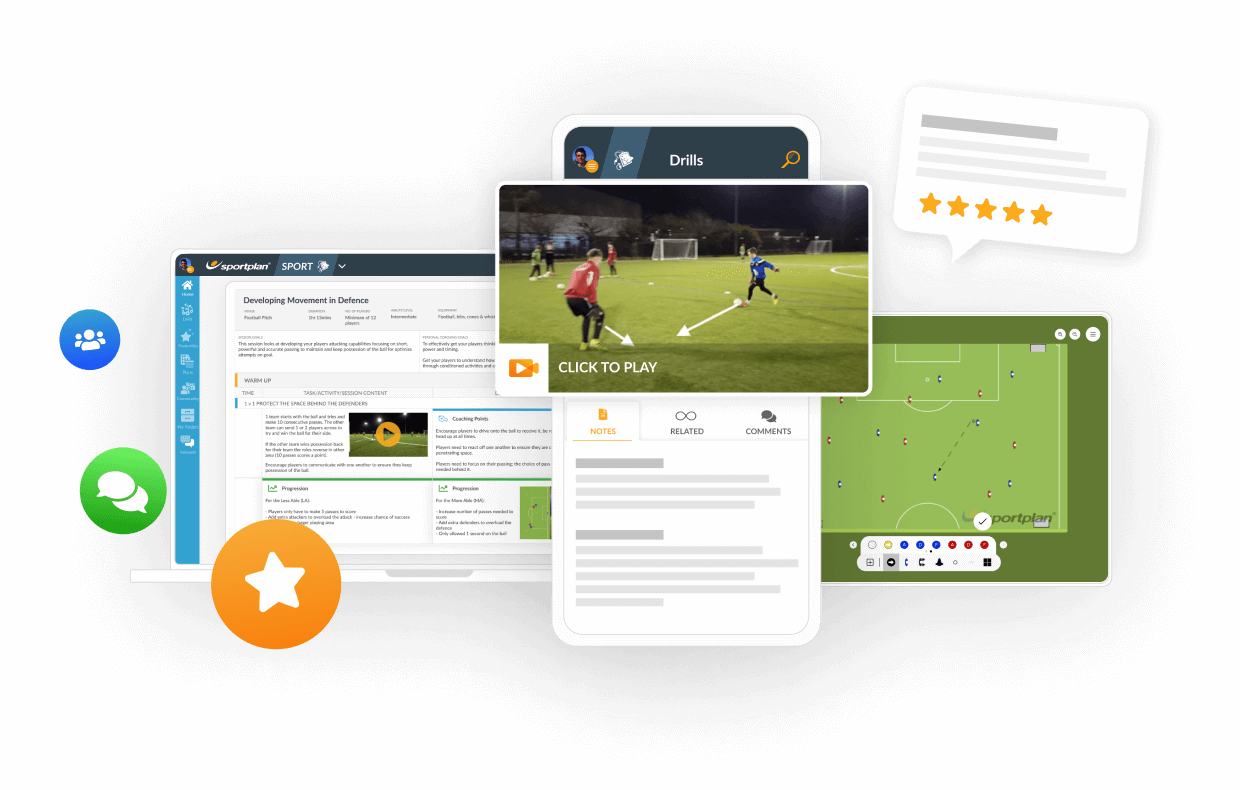
This session is designed to work on keepers awarness and reaction time. With keepers having to sometimes pull of double saves or being out of position, this session is great for developing goalkeepers in that field.
Goalkeepers must start sat down with their backs to the centre half on the first post. When a whistle is blown the goalkeeper must get up and run from his first post, to his second post and then position himself in seconds in the middle of his goal, ready for the ball to be received. The type of ball that is fed in can vary from strikes to looping balls.
Time the goalkeeper and give him a shorter time to reach the posts (by firing the balls earlier) as the session develops.
Change the way the ball is fed in so the keeper doesn't know what to expect and has to anticipate more.

The 2026 World Cup is nearly upon us. Here is Sportplan's preview for the tournament on who we think is going to do well and which teams to look out for.

Discover our new Coaching Trends section - in-depth articles covering the latest tactics, techniques and innovations across Football, Hockey, Cricket, Rugby, Netball, Basketball, Tennis, Handball and Volleyball.
Save yourself a scare this Halloween and ensure your session runs smoothly. No chaos, no fright, just structure.


Register for FREE and get coaching tips, top drills, session and more every week!