- Split the group into pairs and set out a space for the activity.
- Give each pair one ball to start with.
- In each pair label each other 1 or 2 (or something funny).
- Explain to the group that 'number 1's' need the ball to start with and that all their going to do is run around with the ball close to their feet whilst staying within the area.
- Then tell the 'number 2's' that they are just going to follow their partners around the ball, twisting and turning as they do.
- Once everyone has tried this for a few minutes, introduce a ball to all the 'number 2's' and tell to do exactly the same but this time with a football as well.
- After this has been done successively introduce commands such as stop, and turn (which means that the 'number 1's' will then be following the 'number 2's'.
- Dribbling
- Jockeying
in more ways than one
 sportplan_netball


in more ways than one
sportplan_football

Under FutureFit, your Under-9s stay at 5v5, your Under-11s stay at 7v7 and your Under-13s stay at 9v9. Same pitch, same numbers, one more year. Here is how to make sure that year feels like a step forward rather than a repeat.
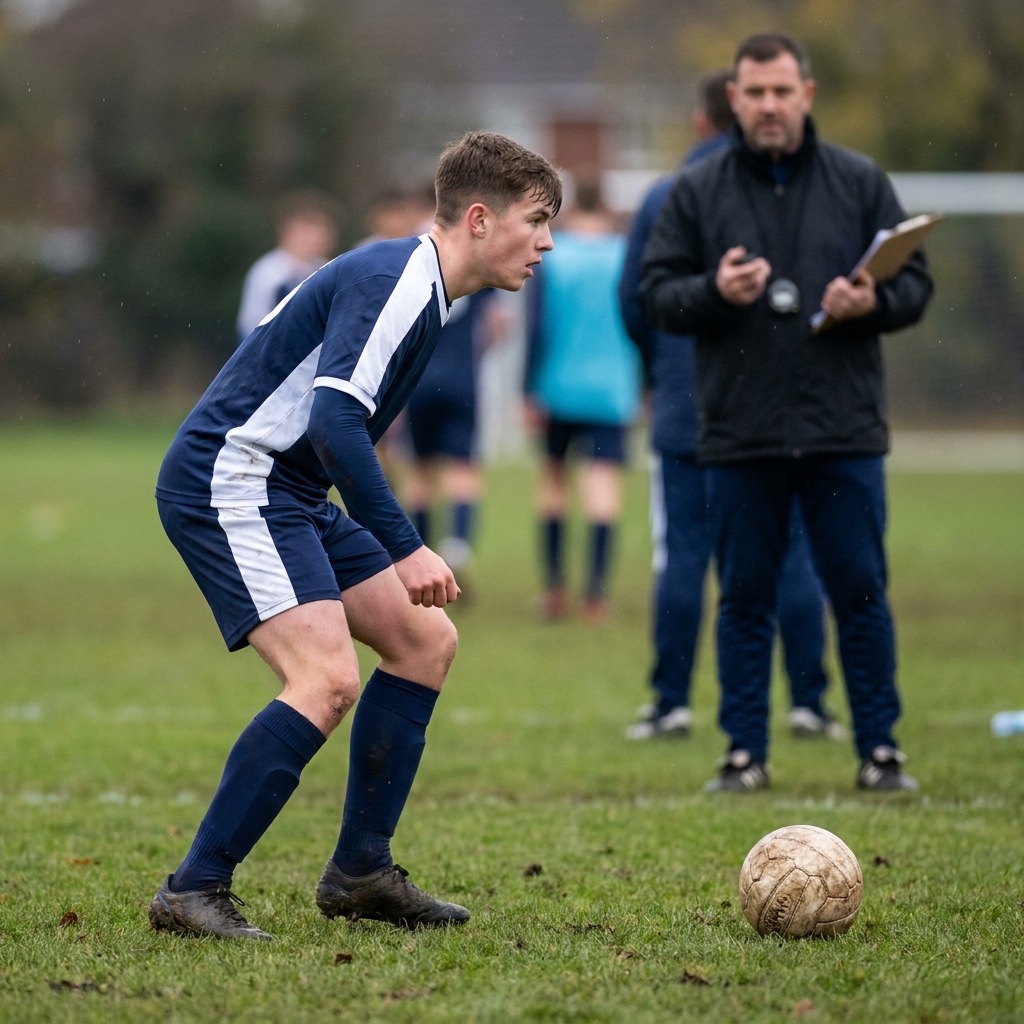
Most 1v1s are lost in the first second, when the defender rushes in and dives. Teach your players to slow the attacker down, take away the dangerous option and pick the right moment, and they will win far more of them.

The FA's FutureFit framework lands this season, bringing a 3v3 entry format at Under-7s. Here is what actually changes on a Saturday morning, and how to coach it well.