• 3 groups/teams. Batters, bowlers and fielders.
• One team bats whilst other teams fields.
• All batters line up across the batting crease, in line with the cones. Bowlers line up half way down the pitch, in line with the stumps.
• Bowlers should underarm the ball to the batters.
• All players from batting team hit & then run at the same time between the sets of cones.
• Fielders retrieve the balls and return to the bowlers.
• Batters count the number of runs made before the bowler gets the ball back. Individual scores are added to get a team total.
• Batters face 3 balls and then become the fielders. Fielders then become the bowlers and the bowlers become the new batters.
• Team with highest score wins.
NOTE: If this game is played on the netball/tennis courts, then it adds in the concepts of power (aiming to hit the ball over the tennis nets to force fielders to travel further - game suggestion: "fielders must start on the batsman side of the tennis nets") and accuracy (aiming for the gaps in the fielders - game suggestion: only a set number of fielders allowed on one court/fielders only allowed to stay in their specified "box" in the netball/tennis courts)
LA - Able to demonstrate that they can keep their eyes on the ball when looking to strike
MA - Able to make clean connections with the ball
HA - Able to play shots with power/accuracy
VHA - Able to play shots with a "smoothness" and with obvious intent to strike
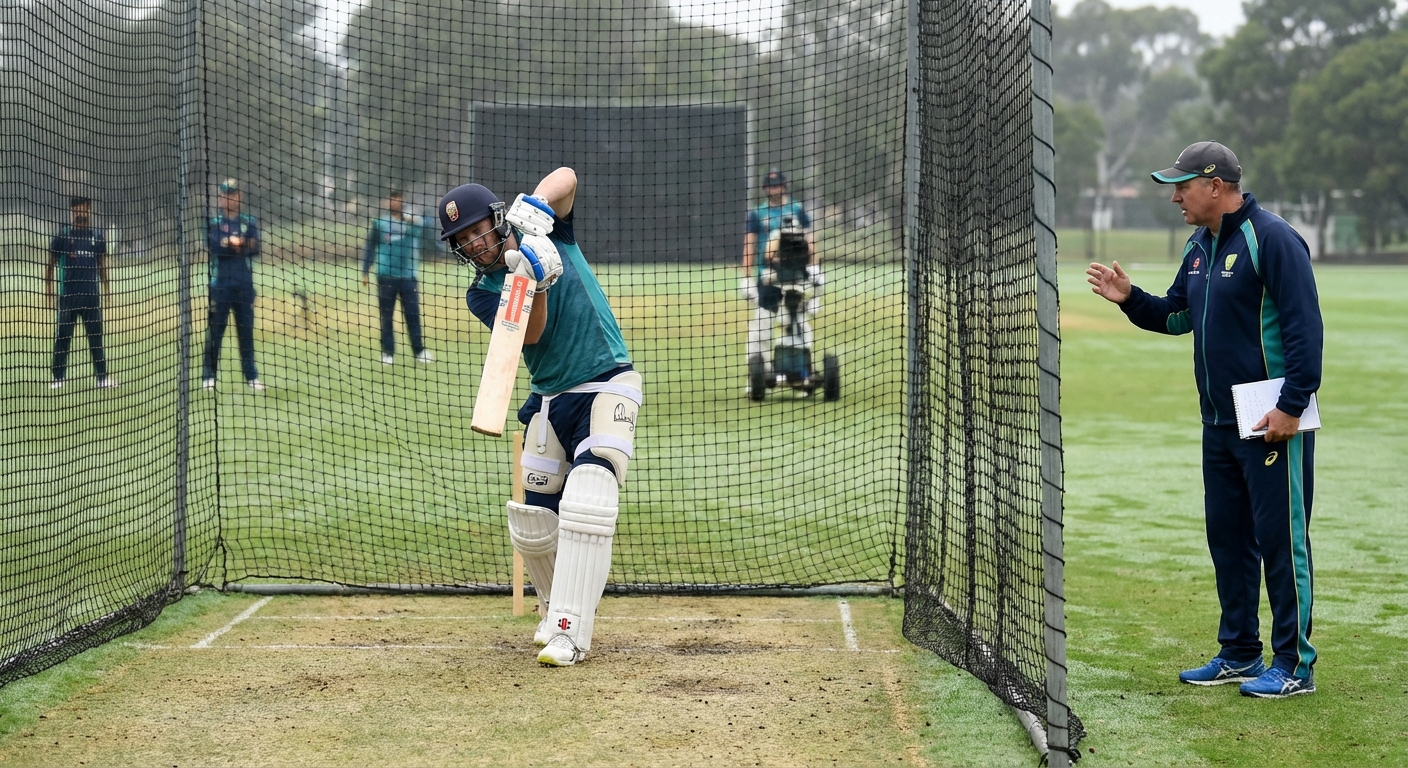
Pre-season is the best time to rebuild and refine batting technique without the pressure of match results. This article covers the fundamental batting positions that underpin consistent run-scoring, provides a progressive session framework from shadow batting to live bowling, and highlights the common pre-season mistakes that coaches should avoid.
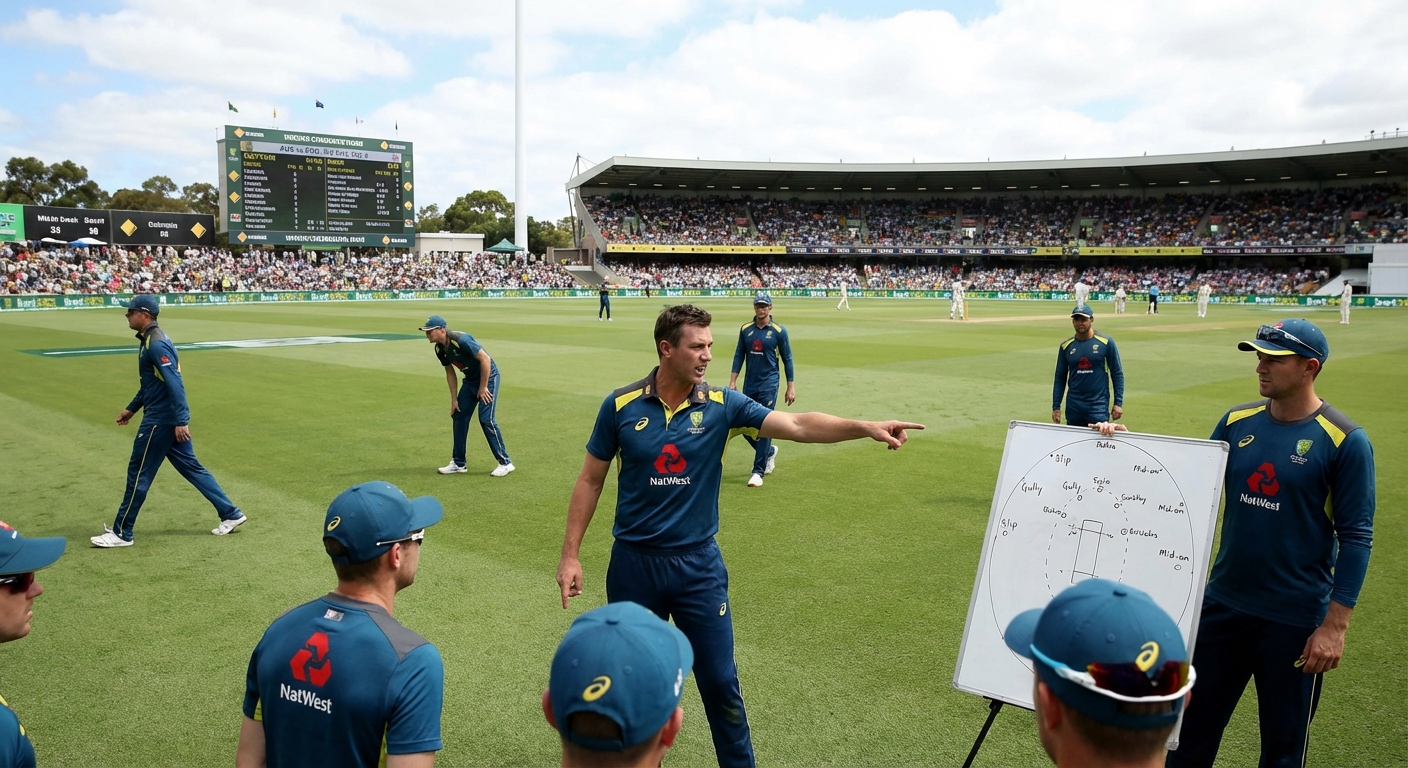
Fielding placement in limited overs cricket is a tactical chess match that changes with every phase of the innings. This article breaks down how captains should set fields during the powerplay, middle overs, and death overs, and provides practical coaching sessions for developing game-aware fielders who anticipate rather than react.
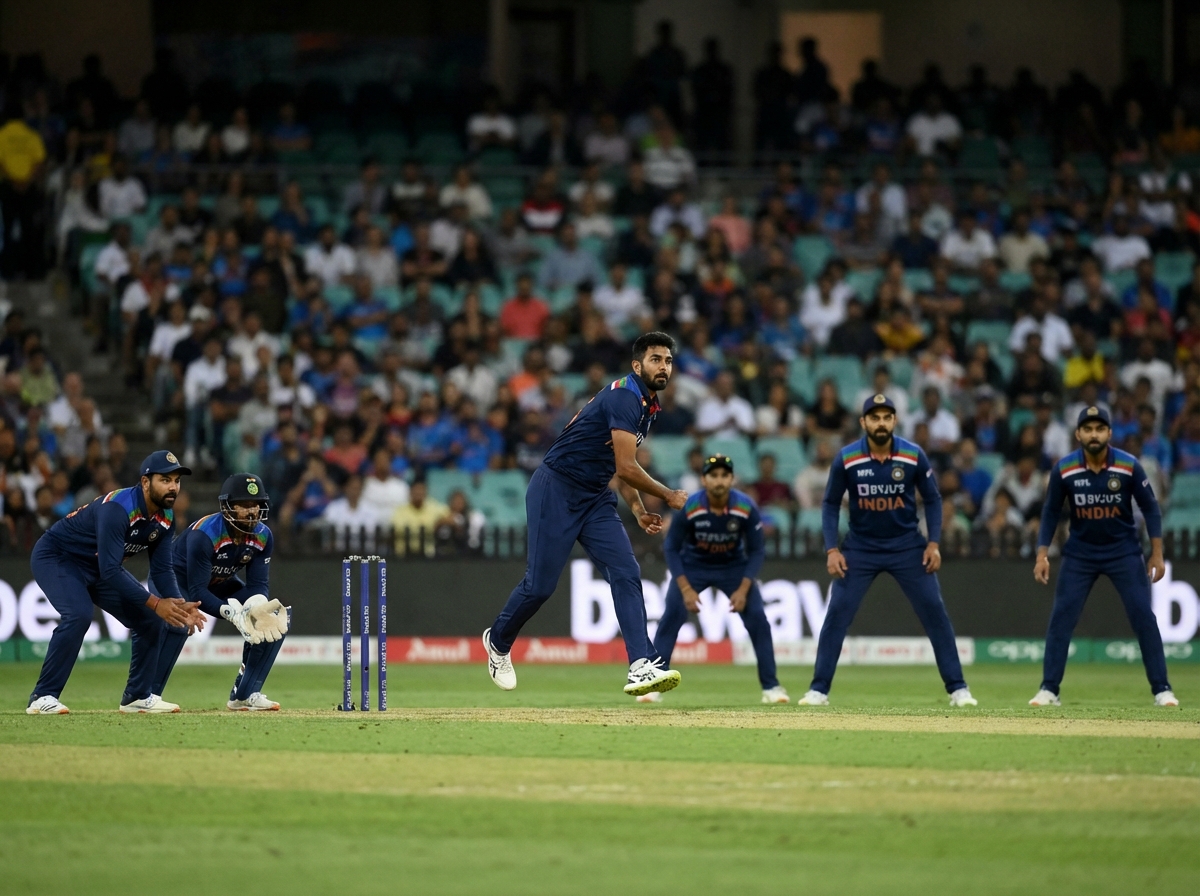
With IPL 2026 starting this month, we break down the art of powerplay bowling - field placement, line and length, and how to turn the fielding restrictions to your advantage.


Register for FREE and get coaching tips, top drills, session and more every week!