-Players will get into pairs and they will have a bat, ball and a set of wickets.
-There will be one bowler and one batter. The bowler will bowl the ball at a slow pace so it gives the batter a chance to practice batting the ball.
-Can the batter bat the ball into spaces on the field away from the bowler.
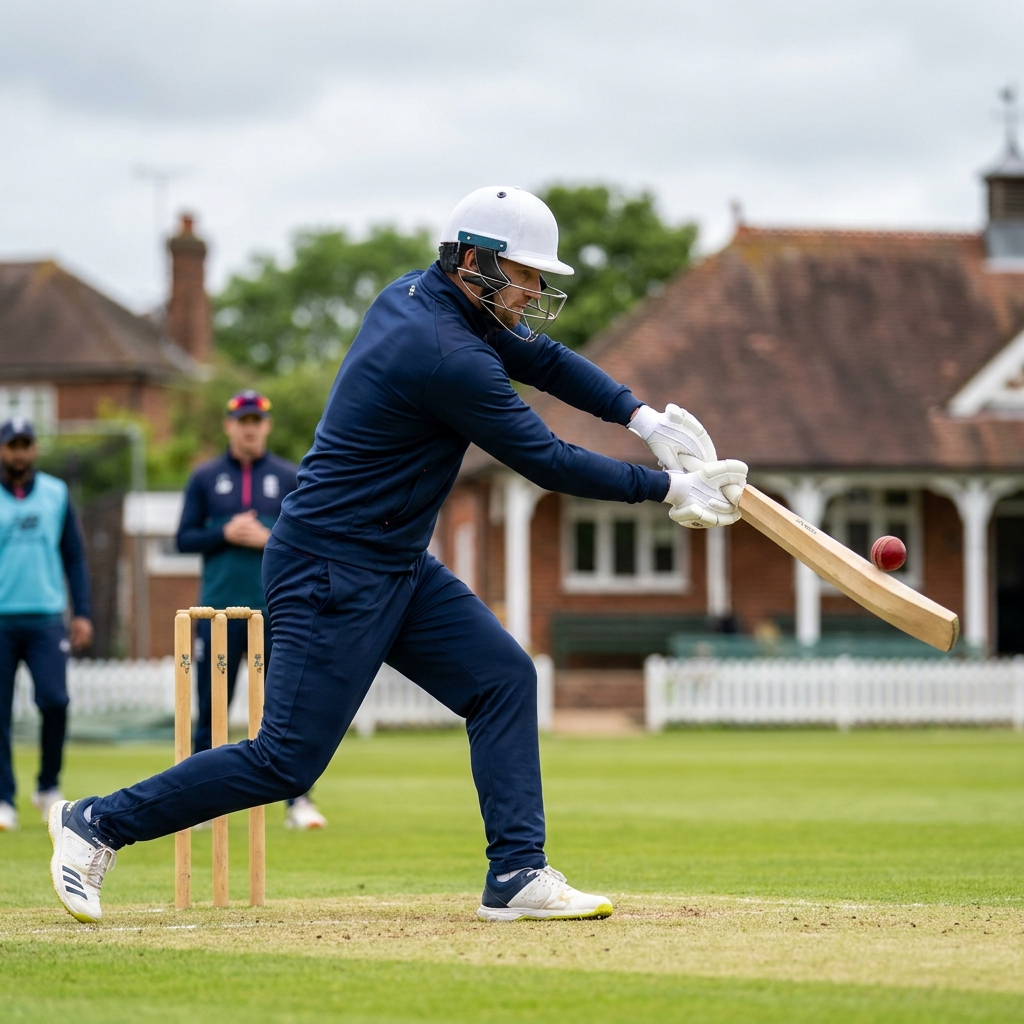
-Stand sideways to the bowler with your feet a shoulder-width apart. Stand sideways in front of the wickets with your knees slightly bent and your head turned towards the bowler. Bend at your hips but keep your back straight. Your non-dominant elbow should be pointing in the direction of the bowler as you hold the bat.
-Hold the bat tight with both hands. Your non-dominant, or lead hand, should be over the end of the bat’s grip holding it tightly. Your dominant hand should be below it with a loose 2-finger and thumb grip. Both hands should be close together and the paddle should feel comfortable in your hands.
-Follow through with your swing. A good follow-through is critical, especially if you want to hit the ball far. Follow through the entire swing, even if you miss the ball. This will get you into the habit of always following through on your swings.
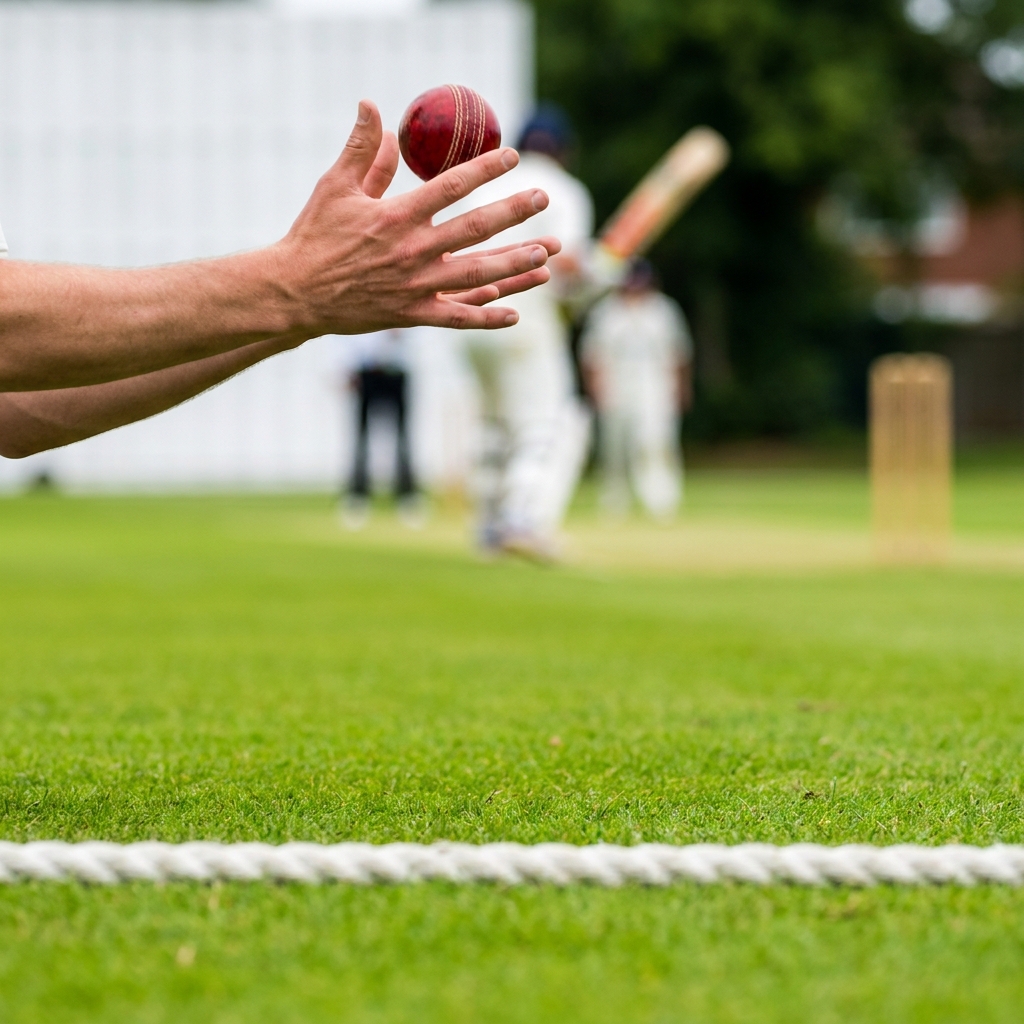
The new Laws of Cricket are in force from 1 October 2026 and the 'bunny hop' boundary catch is gone. Here is how to coach your fielders to catch on the rope this winter.

The covers are on and the last tea has been served. What your club does between now and April decides how the next season starts. Here is a simple, honest winter plan for players, bowlers and juniors.
August is when seasons are decided, and most club games are lost chasing rather than setting. Give your batters a framework for the chase and you win the close ones.


Register for FREE and get coaching tips, top drills, session and more every week!