Grip- Two fingers either side of the seam with your thumb at the bottom of the seam.
The bound- is preparation of your pre-delivery towards the wicket. At head level, arms thrown up as diagram shows. With the body slightly leaning back.
The coil- is the preparation to the delivery of their bowl. Front armed pulled back, ball held at chin level,body leaning back slightly. Your stance should be side on.
The release - release when your arm reaches at a one o'clock angle, your arm brushes your ear, looking over your left shoulder if your right handed.
The follow through - Once you have released the ball you are required to follow up on the ball slightly, maybe moving 1 metre towards the batter.

Green July pitches and a shiny Dukes mean the ball is talking. Here is how to coach your batters to survive the moving ball, trust their defence, and cash in once the shine has gone.
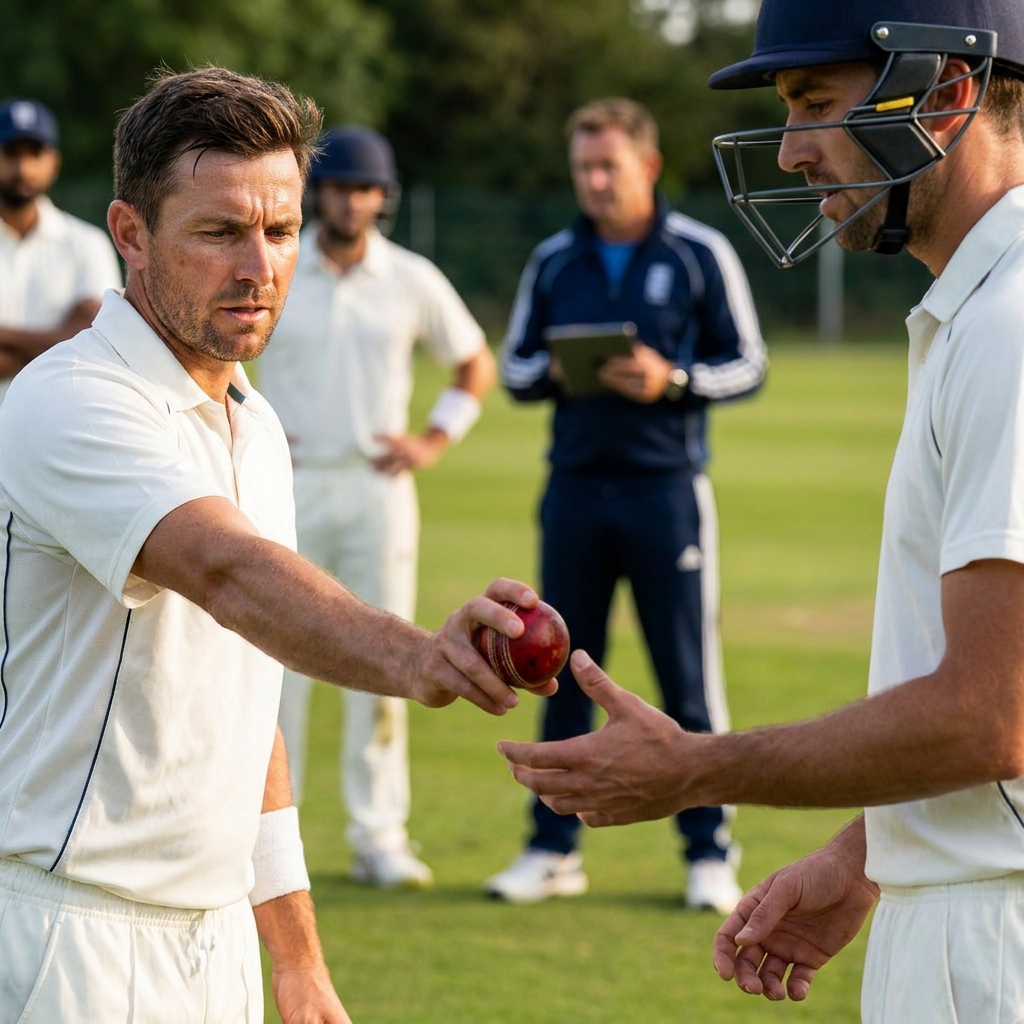
A bowling change can dismantle a partnership, halt a run surge, or hand the match back to the batting side. This article explores how modern captains use match phases, matchup data, and rhythm signals to time their changes, with a practical framework coaches can use to develop tactical thinking in young captains at club and age-group level.
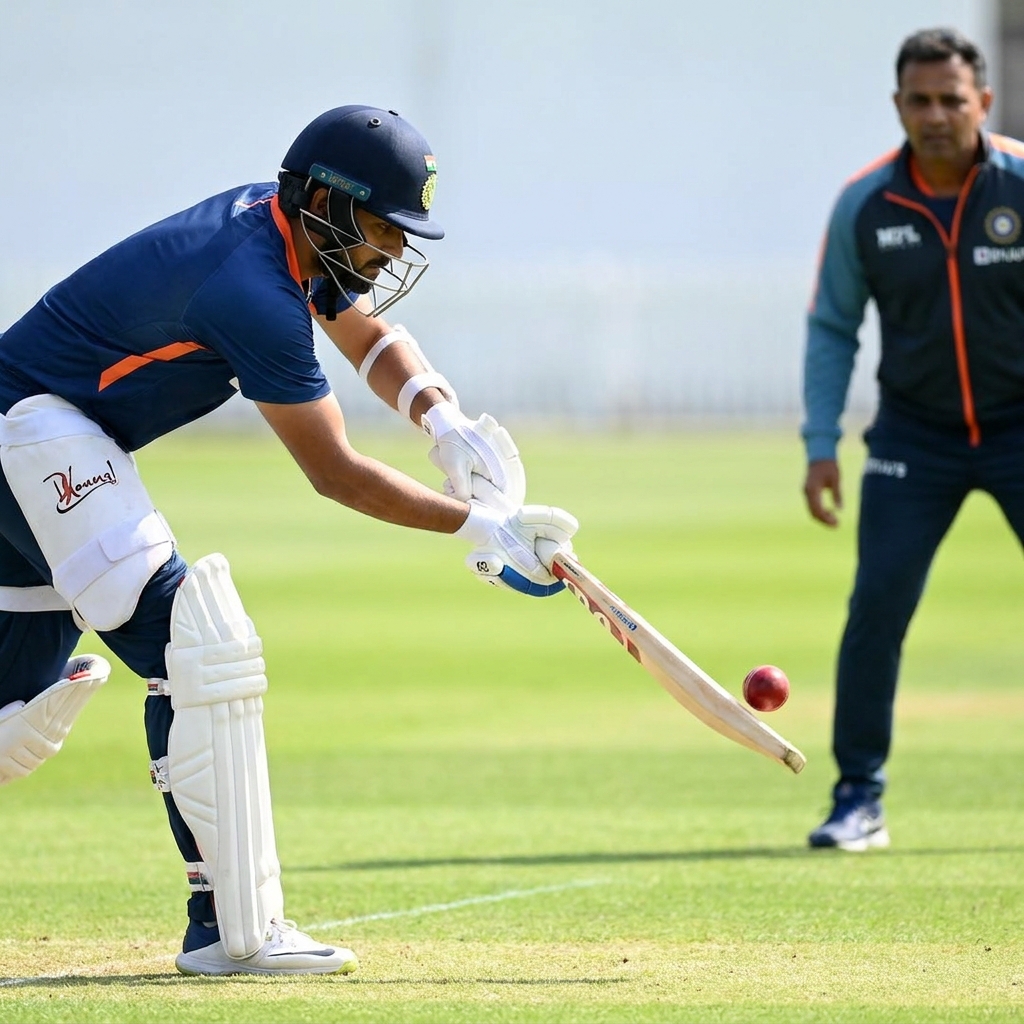
T20 data shows that teams bowling 40 or more dot balls win more than 65 per cent of matches. Strike rotation is now the most undervalued skill in batting. This article breaks down why singles matter more than sixes, the soft-hands and crease-depth techniques behind elite rotators, and a coaching framework to train relentless ones and twos under pressure.


Register for FREE and get coaching tips, top drills, session and more every week!