Within this activity there will be one bowler, two batsman and the remainder of the pupils will be feilders.
The bowler must bowl the ball and attempt to beat the batsman who in turn will attempt to hit the ball through one of the gates (explained below) and past the feilders. If the ball passes through the cones then they will earn 4 points. The batsman can also run between the wickets if they think there is enough time.
Around the perimetre of the sports hall the pupils that are feilding will have a 'gate' each which they must defend and stop the ball going through when the batsman hits is towards them. everytime the cleanly pick up the ball they will win a point.
After every over the feilders must move around to the next set of cones and the bowler must be changed. The batsman will swap with a feilder when they bowled out, caught or the stumps are hit when he/she is out of the crease. If they dont get out within 2 overs then they will retire from batting and get a bonus of 10 points.

The new Laws of Cricket are in force from 1 October 2026 and the 'bunny hop' boundary catch is gone. Here is how to coach your fielders to catch on the rope this winter.

The covers are on and the last tea has been served. What your club does between now and April decides how the next season starts. Here is a simple, honest winter plan for players, bowlers and juniors.
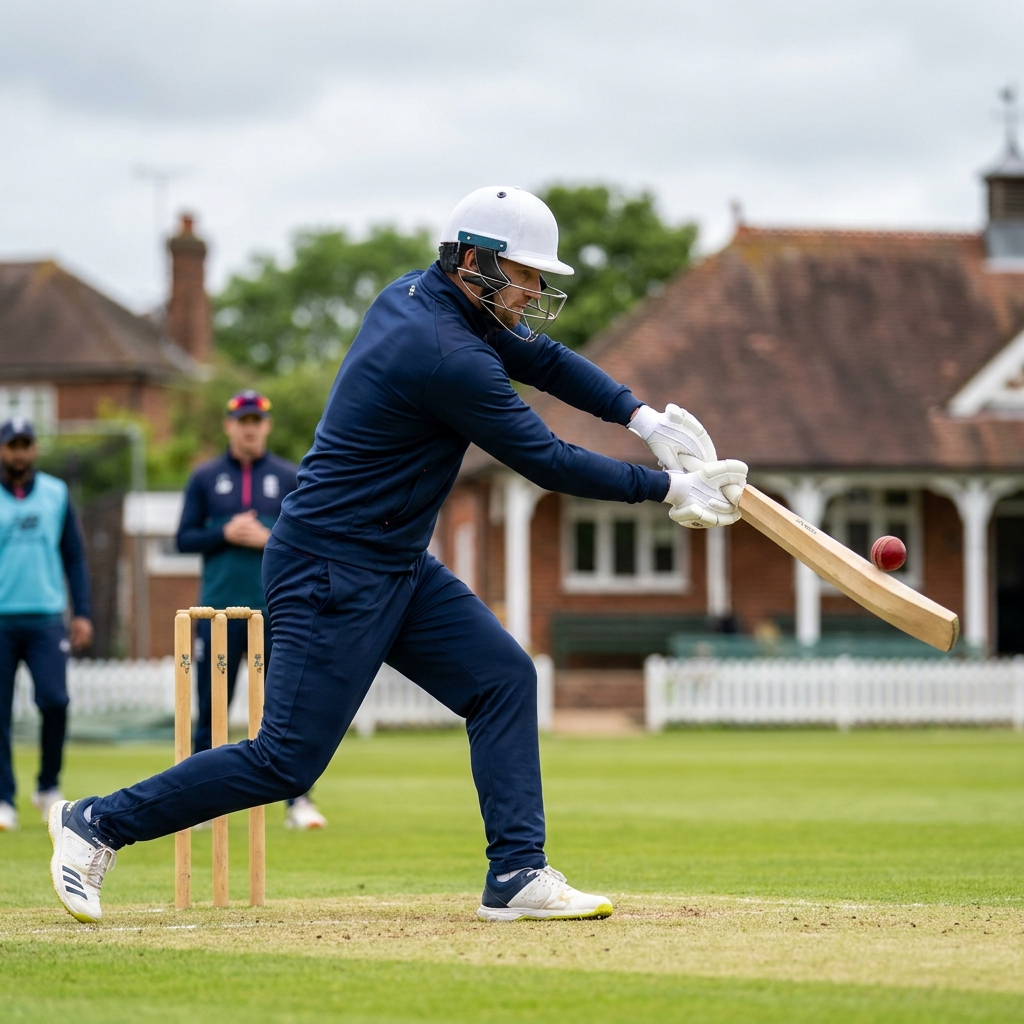
August is when seasons are decided, and most club games are lost chasing rather than setting. Give your batters a framework for the chase and you win the close ones.


Register for FREE and get coaching tips, top drills, session and more every week!