Skill: Reaction Timing and Catching
Time Taken: 5 minutes
Ability:
Equipment: 1 bat, 1 ball, 10 cones
1)An older leader/coach will take control as the batter 2)4 individuals stand in between each different coloured cone 3)The batter hits the ball to the first player who will catch it. 4)They will then throw it back to the batter and duck. 5)The ball will then be hit for the player between the white cones to catch before they throw back to the batter and duck. 6)This continues whilst racing against other teams.
Coaching Points:
qKeep head held as high as possible when receiving the ball qTry not to lean backwards to catch the ball qMake sure fingers and cupped and not likely to get hit on the fingertips with a cricket ball when it comes to games.
Progression for more experienced players:
qTry to catch the ball one handed Start with everybody on the floor and jump when it is your turn to catch.
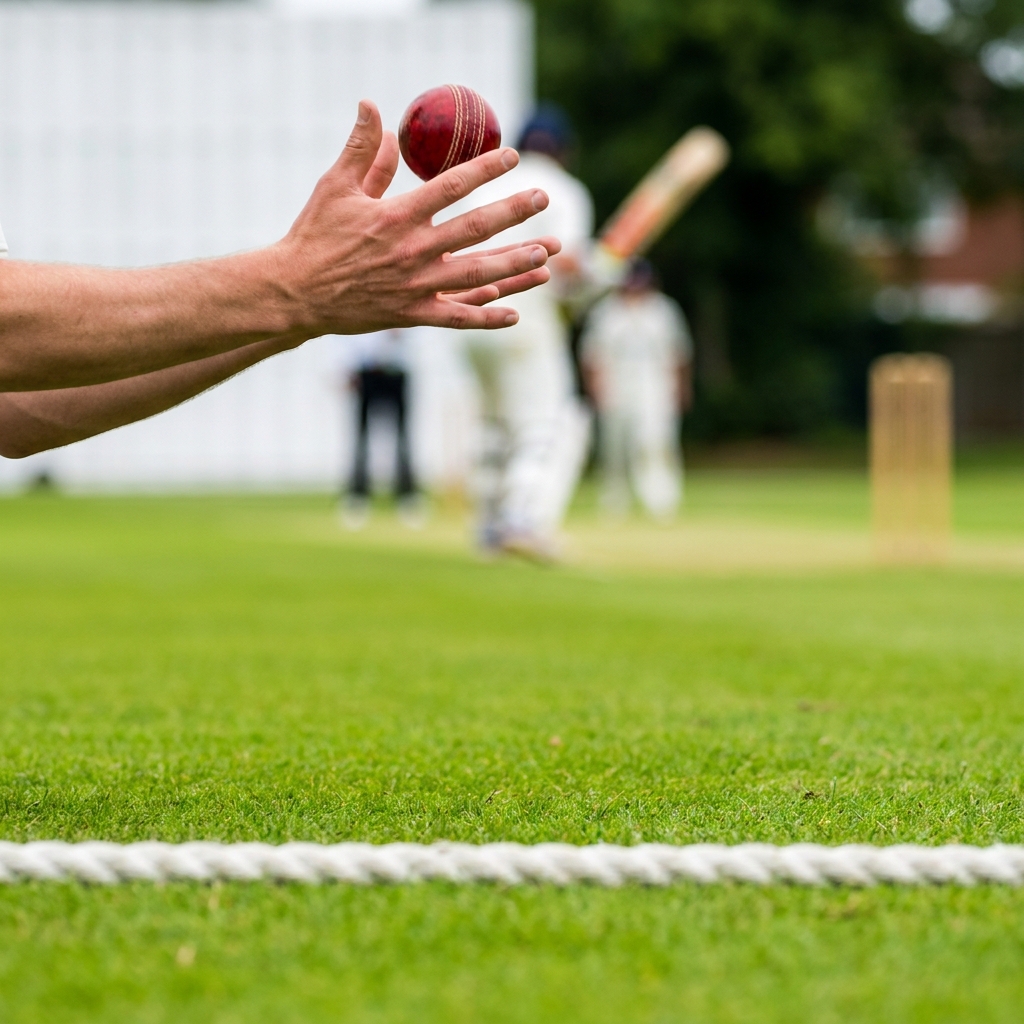
The new Laws of Cricket are in force from 1 October 2026 and the 'bunny hop' boundary catch is gone. Here is how to coach your fielders to catch on the rope this winter.

The covers are on and the last tea has been served. What your club does between now and April decides how the next season starts. Here is a simple, honest winter plan for players, bowlers and juniors.
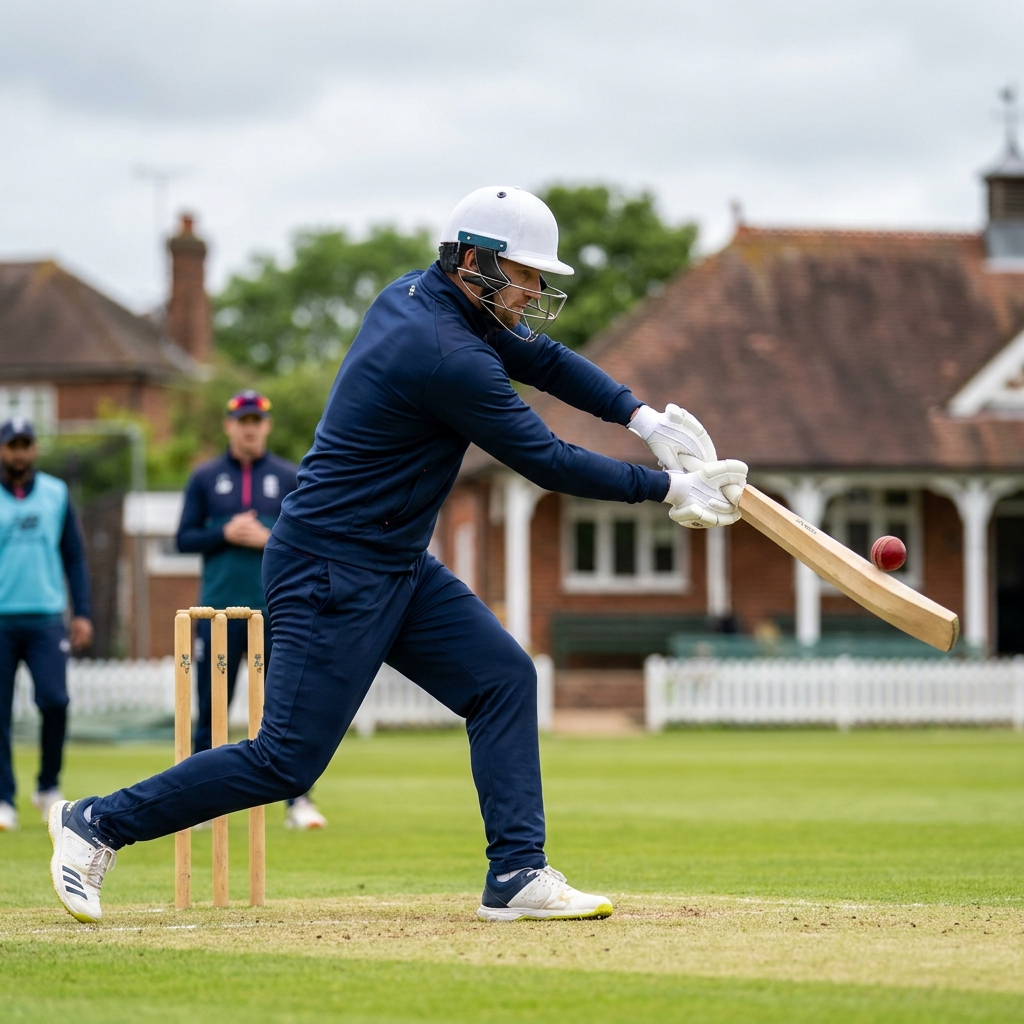
August is when seasons are decided, and most club games are lost chasing rather than setting. Give your batters a framework for the chase and you win the close ones.


Register for FREE and get coaching tips, top drills, session and more every week!