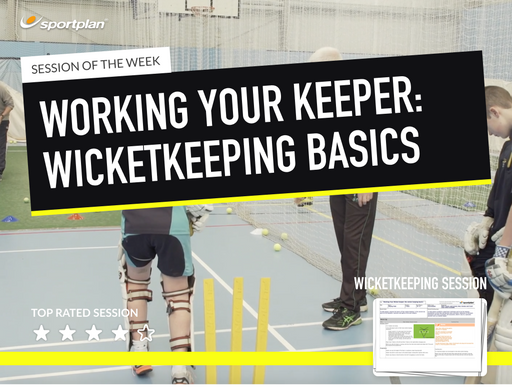
The wicket keeper is the busiest player on your fielding team and is the heartbeat of the side. The standards they set tend to ripple through a team very quickly. For this reason it's essential that the keeper sets a high standard for everyone else, with positive body language and lots of energy!
What's in the session?
 To help your keepers improve their overall technique and lay the foundations for future development this session starts by looking at your players' stance - ensuring they're relaxed, with knees bent and their weight slightly forward on the balls of their feet. After this we put the technique into practice, looking at keeping the K, catching a bowl missed by the batter and finishing with a fun dive catching exercise!
Have your keepers got what it takes? Find out with this week's session!

The new Laws of Cricket are in force from 1 October 2026 and the 'bunny hop' boundary catch is gone. Here is how to coach your fielders to catch on the rope this winter.

The covers are on and the last tea has been served. What your club does between now and April decides how the next season starts. Here is a simple, honest winter plan for players, bowlers and juniors.
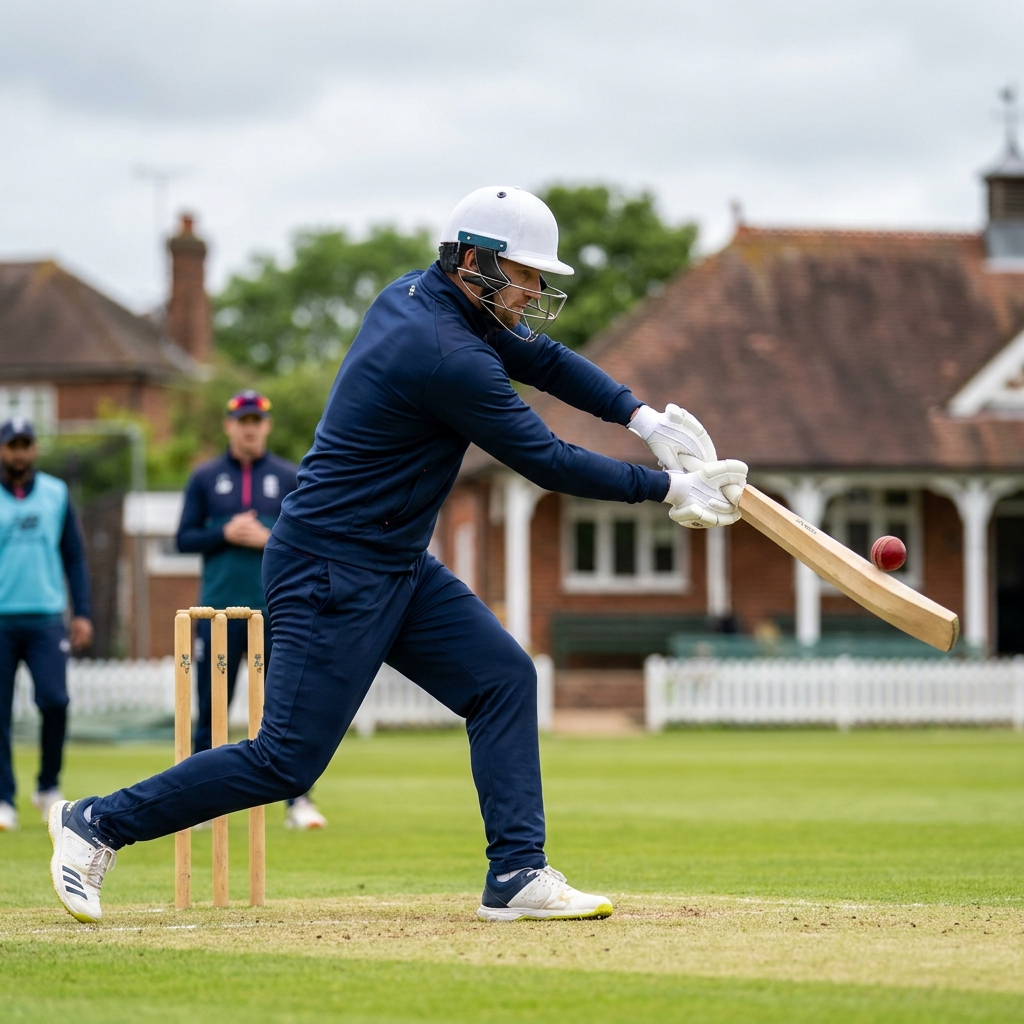
August is when seasons are decided, and most club games are lost chasing rather than setting. Give your batters a framework for the chase and you win the close ones.


Register for FREE and get coaching tips, top drills, session and more every week!