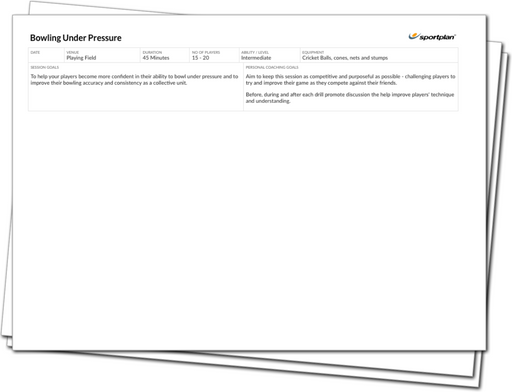
This session looks at boosting your players' bowling confidence, making sure they're bowling a consistent line and length to keep the pressure firmly on the opposition's batsmen.
A good bowling practice will create pressure on the bowlers, the sort they're likely to experience in a game. Although you can't fully replicate a game situation in training, it's still a good habit to get into when practising.
What's in the session?
To help your players improve their bowling accuracy and consistency, this session gets everyone involved. Taking turns to bowl in small groups - working on bowling good length, yorkers and adjusting their bowling line for left and right handers.
While the other players in the group are awaiting their turn to bowl, they should be observing and offering feedback so the team improves its technique understanding of what was wrong with the last ball.
Get your players ready to perform under pressure with consistency, accuracy and confidence!

The new Laws of Cricket are in force from 1 October 2026 and the 'bunny hop' boundary catch is gone. Here is how to coach your fielders to catch on the rope this winter.

The covers are on and the last tea has been served. What your club does between now and April decides how the next season starts. Here is a simple, honest winter plan for players, bowlers and juniors.
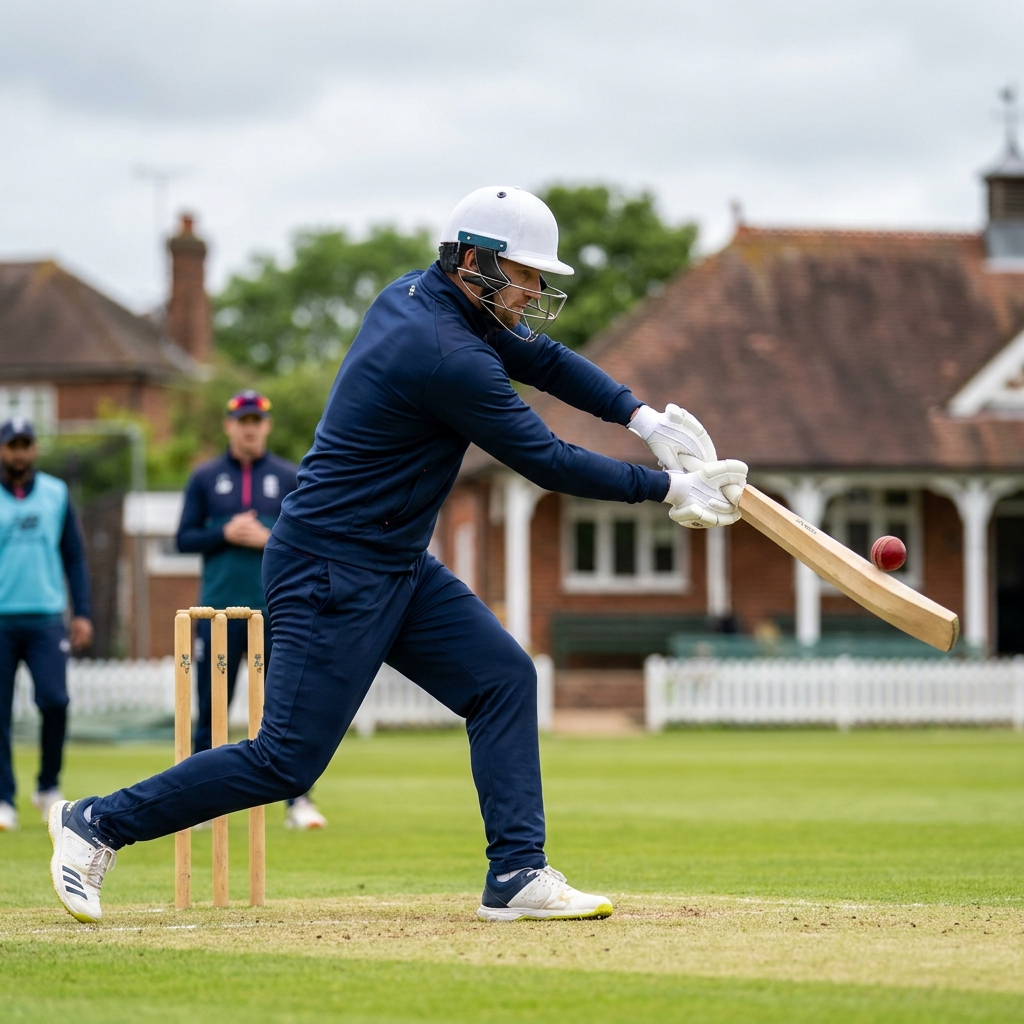
August is when seasons are decided, and most club games are lost chasing rather than setting. Give your batters a framework for the chase and you win the close ones.


Register for FREE and get coaching tips, top drills, session and more every week!