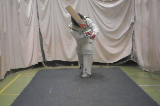
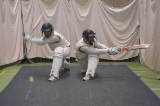
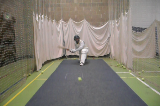
Can be done in pairs/ groups of three. One batter and one feeder minimum required. 6 tennis balls per pair/group. Each batter will have two rounds of 6 balls each.Feeder must feed over arm, bouncing the ball in the feeding zone, at height of feed number (1) as seen in the short ball drill.Batter plays pull shot, looking to hit ball along the ground. Nets would be essential for this practice.
PROGRESSION
Feeder can come closer, and feed on the full, under arm at batter for improved accuracy. This feed would also allow for rapid fire feeding, where only the hands move in the execution of the shot.Cricket balls may be used for this.
Batter looks to keep weight forward, although playing back and across stumps.Arms should be fully extended out in front of batter upon impact.Batter should look to hit the ball from high to low, with the shoulders rotating horizontally through the ball.Encouraging player to push head further at ball will improve weight distribution, and encourage hands to accelerate through the ball more.

The new Laws of Cricket are in force from 1 October 2026 and the 'bunny hop' boundary catch is gone. Here is how to coach your fielders to catch on the rope this winter.

The covers are on and the last tea has been served. What your club does between now and April decides how the next season starts. Here is a simple, honest winter plan for players, bowlers and juniors.
August is when seasons are decided, and most club games are lost chasing rather than setting. Give your batters a framework for the chase and you win the close ones.


Register for FREE and get coaching tips, top drills, session and more every week!