Can be done in pairs/ groups of three. One batter, a feeder, and a wicket keeper. 4 incrediballs or cricket balls are recommended, as they have a seam to spin ball. 4 good quality feeds eachPlayer feeds from one knee, throwing ball under arm as a leg spinner, with the key being a looped feed. (If players can’t spin it, a slow looped feed is sufficient). Feeder aims to land ball on a full length, on off stump. Batter looks to play ball straight, through zone 1, to be marked out from between the stumps to cover as shown.NB – Left hander’s will still score through same zone, and should ideally be grouped together.
PROGRESSION
Make target area smaller, if playing to square of wicket, make target straighter.Introduce points scoring system.Bring in Zone 2 (different scoring area for length balls)Change length of feedIntroduce coming down wicket.
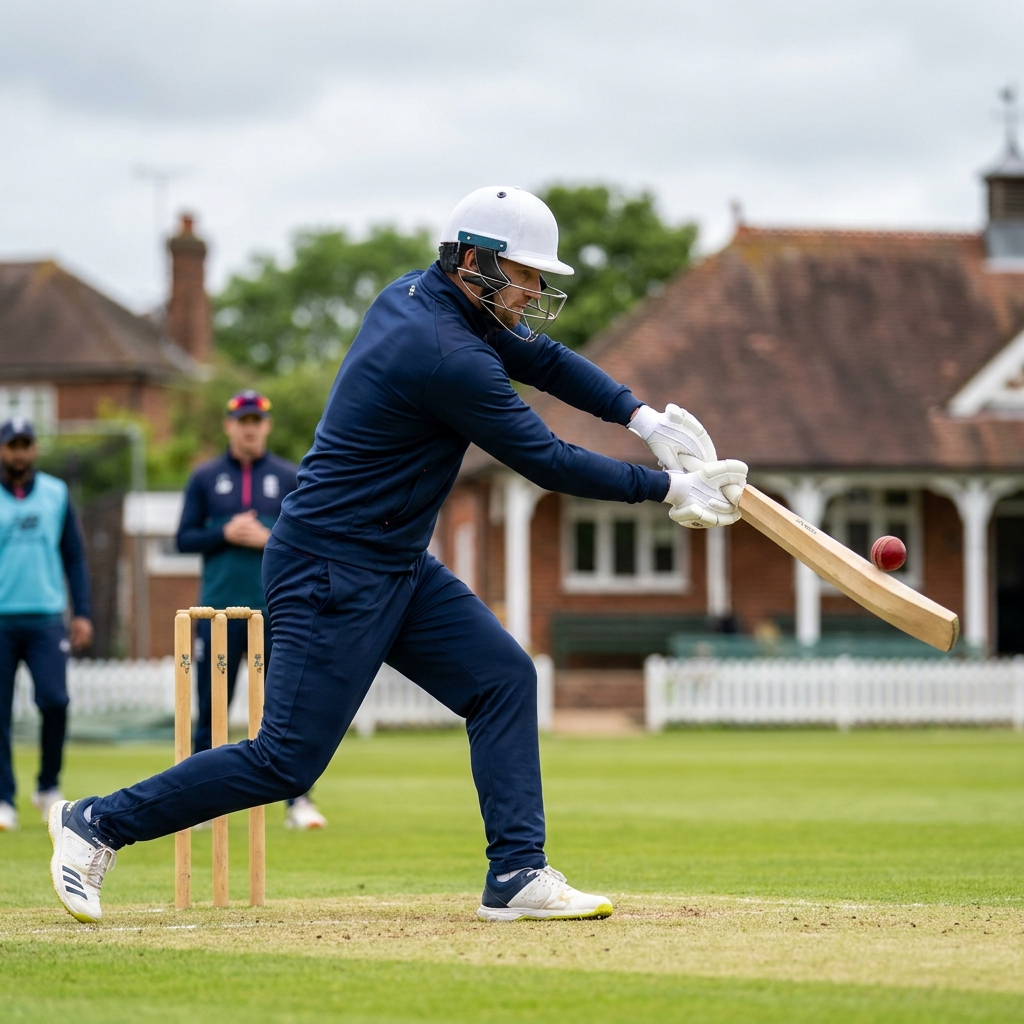
Batter is looking to play the ball with the spin, as a leg spinner will spin ball from right to left. Players should be encouraged to hit ball on ground.Cones are set up to encourage batter to play as straight as possible, for as long as possible. Encourage player to wait for the ball, and not to go hard at it (strong top hand)Make sure foot is right next to the ball when driving, and not creating room for the shot. Dip shoulder into ball, so weight is into ball. Shoulders parallel help bat to come through straight.

The new Laws of Cricket are in force from 1 October 2026 and the 'bunny hop' boundary catch is gone. Here is how to coach your fielders to catch on the rope this winter.

The covers are on and the last tea has been served. What your club does between now and April decides how the next season starts. Here is a simple, honest winter plan for players, bowlers and juniors.
August is when seasons are decided, and most club games are lost chasing rather than setting. Give your batters a framework for the chase and you win the close ones.


Register for FREE and get coaching tips, top drills, session and more every week!