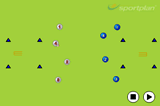
4 to 8 players per group.
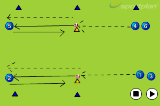
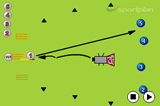
Player 1 rolls the ball out, while player two meets the ball and throws it to the passer who is now stood behind the stumps.
Player 2 now runs to player 1's original starting place and repeats the drill with the next player in the line.
With the teams divided into two groups, once a player has rolled and caught the ball behind the stumps, they join the back of the queue in the other group, who will be doing exactly the same.
How many times can players hit the stumps in ten minutes? Deduct a point for every misfield.
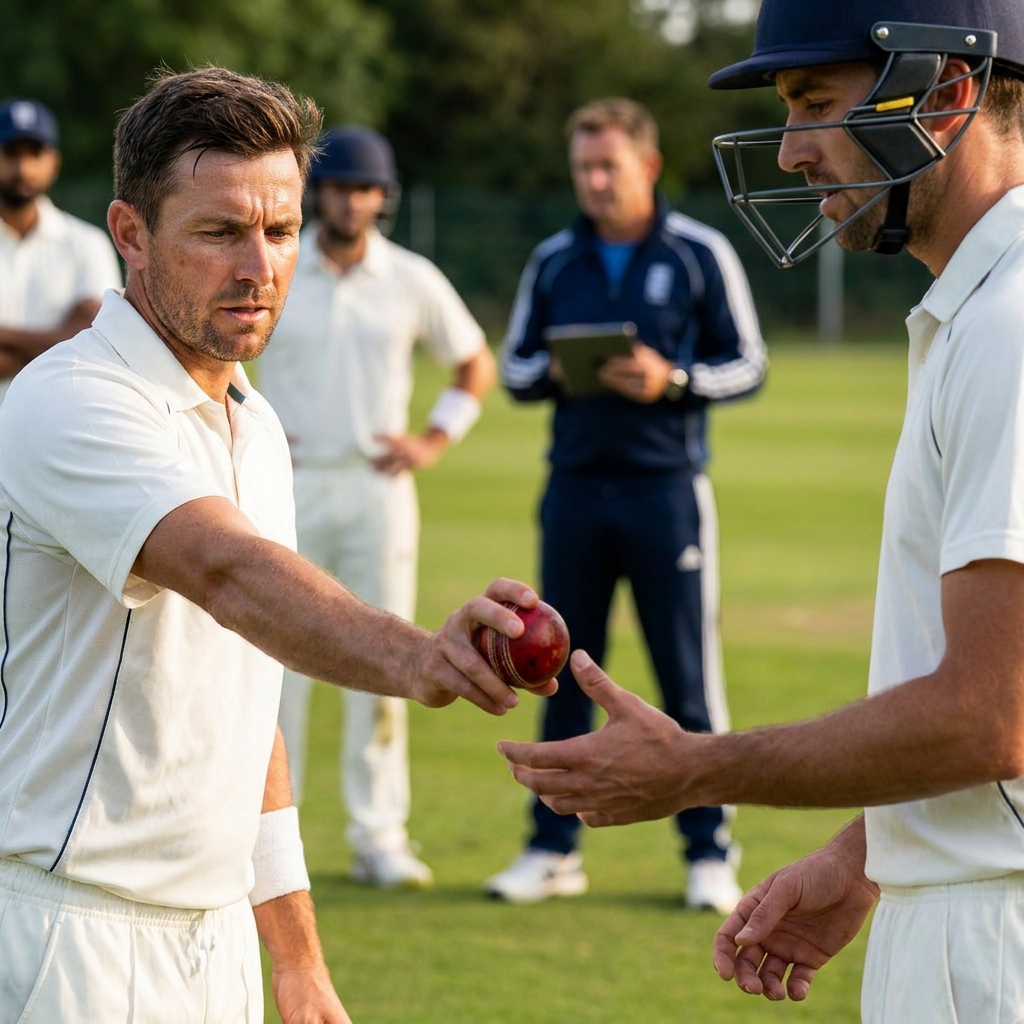
A bowling change can dismantle a partnership, halt a run surge, or hand the match back to the batting side. This article explores how modern captains use match phases, matchup data, and rhythm signals to time their changes, with a practical framework coaches can use to develop tactical thinking in young captains at club and age-group level.
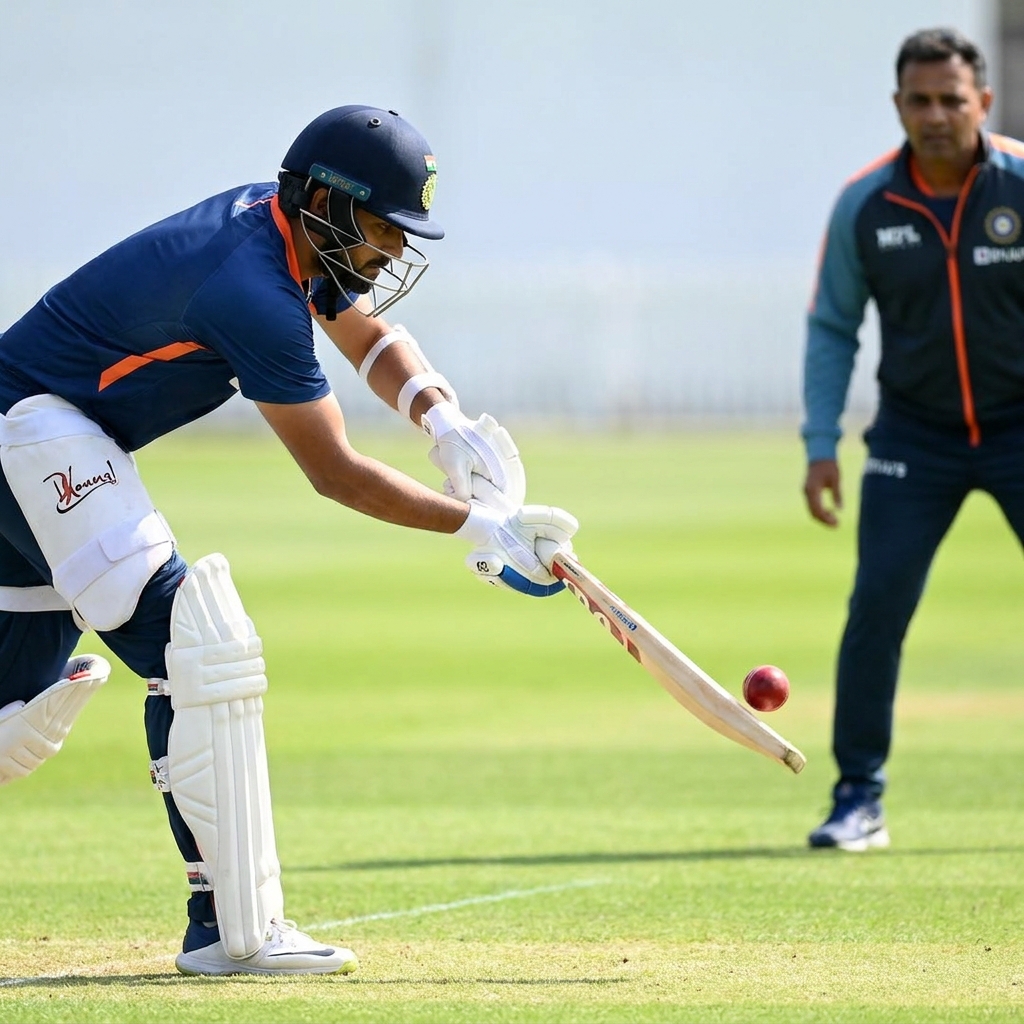
T20 data shows that teams bowling 40 or more dot balls win more than 65 per cent of matches. Strike rotation is now the most undervalued skill in batting. This article breaks down why singles matter more than sixes, the soft-hands and crease-depth techniques behind elite rotators, and a coaching framework to train relentless ones and twos under pressure.
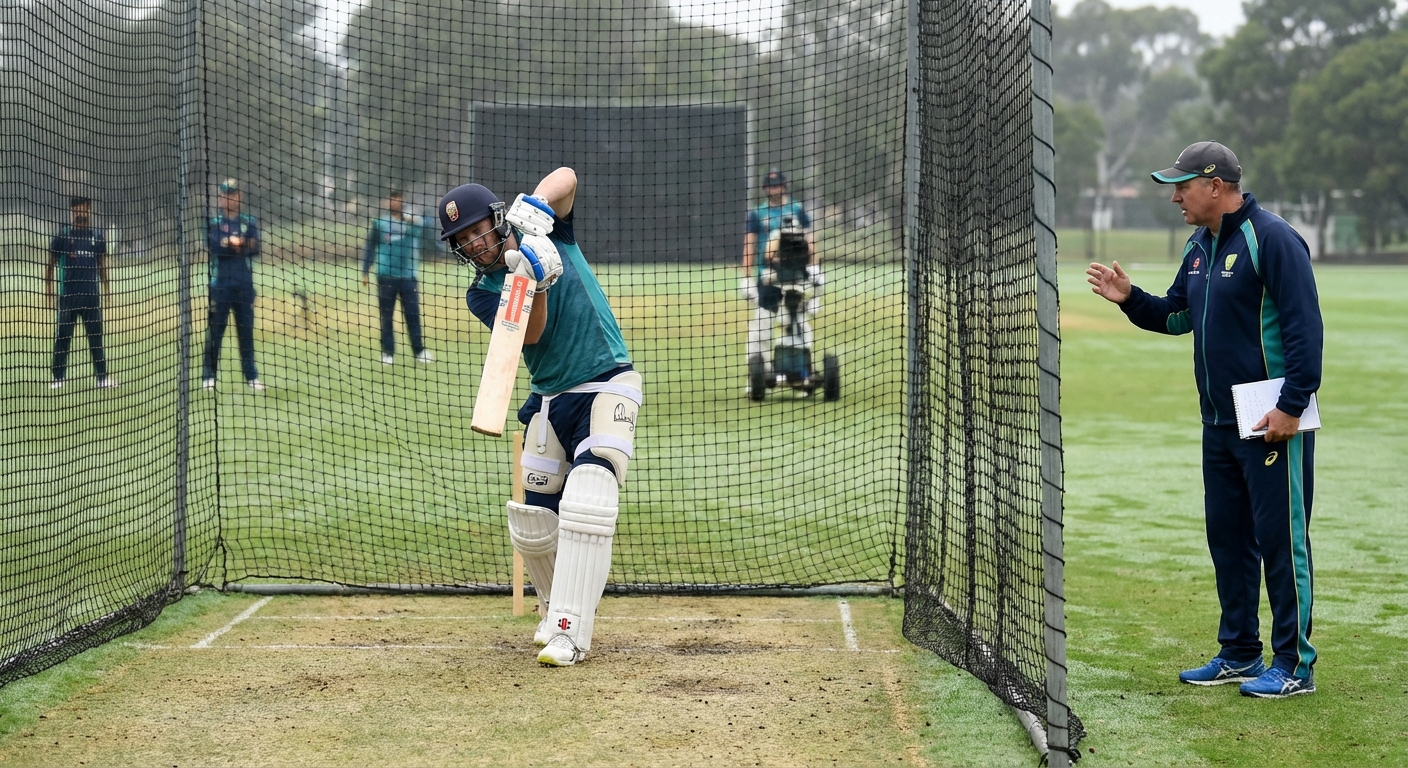
Pre-season is the best time to rebuild and refine batting technique without the pressure of match results. This article covers the fundamental batting positions that underpin consistent run-scoring, provides a progressive session framework from shadow batting to live bowling, and highlights the common pre-season mistakes that coaches should avoid.


Register for FREE and get coaching tips, top drills, session and more every week!