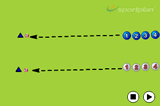
8-10 players per group (set up two drills if coaching a large group)
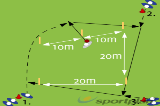
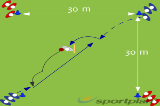
Set up: Player/coach stands between the two stumps, that are 20 meters apart (length of a wicket). One cone is placed 25m in front of the two stumps, in line with the coach and two cones are placed 2m ahead of these, acting as a 'gate' for the players to walk through when it is their go.
Two further cones are placed 10m behind the two target stumps, where players will be backing up.
The coach will name one end the bowler's end and the other stump the keepers end.
Let's play:
Drill is continuous.
You want match intensity? Include the batsman!
For all of the drills it is possible to have two batters running alongside the drill, looking to complete 1 or 2 runs before the fielder finishes their skill.
As a coach, use your initiative and get the batters involved. This added pressure will really tell on the fielders.
You can also time the fielders against each other with a stop watch, recording results.This can either be done in the form of direct competition in the session (between small sub teams or a battle of the individual), or over a number of sessions/season, where you can see if times have improved.
The number of hits a player gets is also a good one to monitor, providing them personal and team tagets per drill/session to meet.
Progressions:
Coach may roll the ball to either side of the player to increase difficultly.
Change the ends around (re-name bowlers and keepers)
Make the throw to the bowler over the top of the stump, so players have to make the decision of not only the correct end, but also the correct throw.

The new Laws of Cricket are in force from 1 October 2026 and the 'bunny hop' boundary catch is gone. Here is how to coach your fielders to catch on the rope this winter.

The covers are on and the last tea has been served. What your club does between now and April decides how the next season starts. Here is a simple, honest winter plan for players, bowlers and juniors.

August is when seasons are decided, and most club games are lost chasing rather than setting. Give your batters a framework for the chase and you win the close ones.


Register for FREE and get coaching tips, top drills, session and more every week!