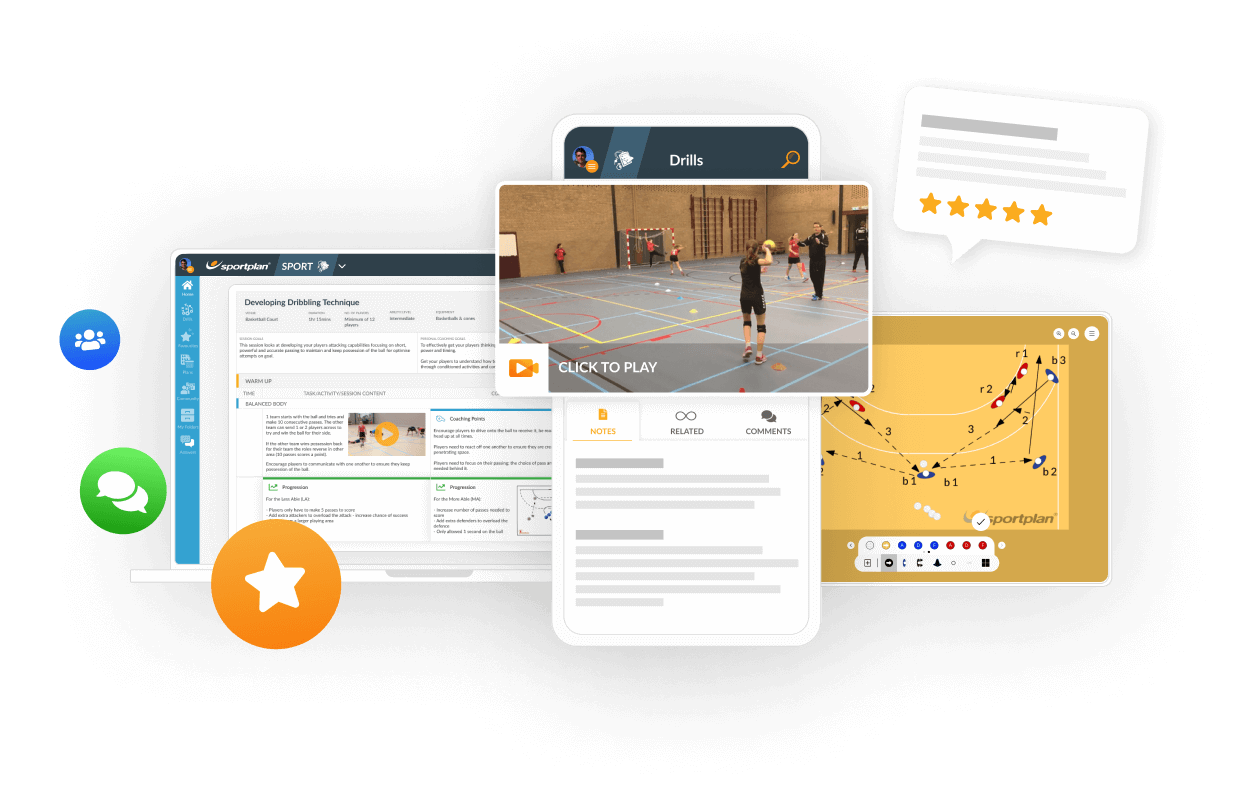
1-The attack starts from the right wing 2-Pass the ball to the right back and start behind him 3-The right back passes the ball to the playmaker, where the latter attracts the front defender 4-The playmaker makes a cross with the right back and enters as a second pivot player to fixe Defender No. 2 5-The right back attacks the interior passage and fixes the front defender, and then passes the ball to the right wing, starting in the place of the playmaker 6-The right wing attacks passage in front of the pivot player and attracts the No. 2 defender and passes the ball to the left back, which becomes in a 2 on 1 position
The aim of this strategy is to create a 2vs1 situation on the opposite side of the start of the attack This type of strategy can be used to create numerical superiority for attackers In order for the success rate of this operation to be great, the players must have a high technical level
This practice has no coaching points
This practice has no progressions
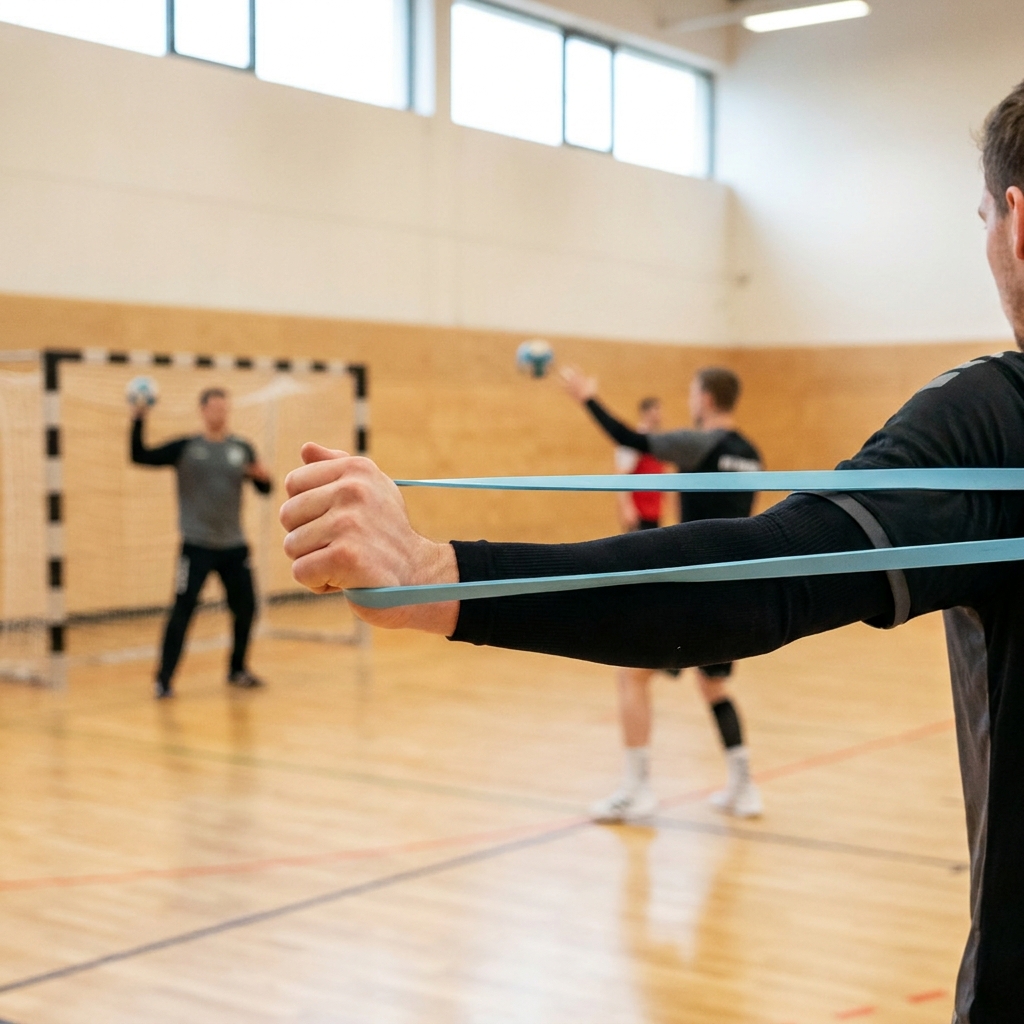
As indoor leagues get back into full swing this November, throwing volume climbs fast. A few minutes of shoulder care in every warm-up is the difference between a healthy season and a lost one.
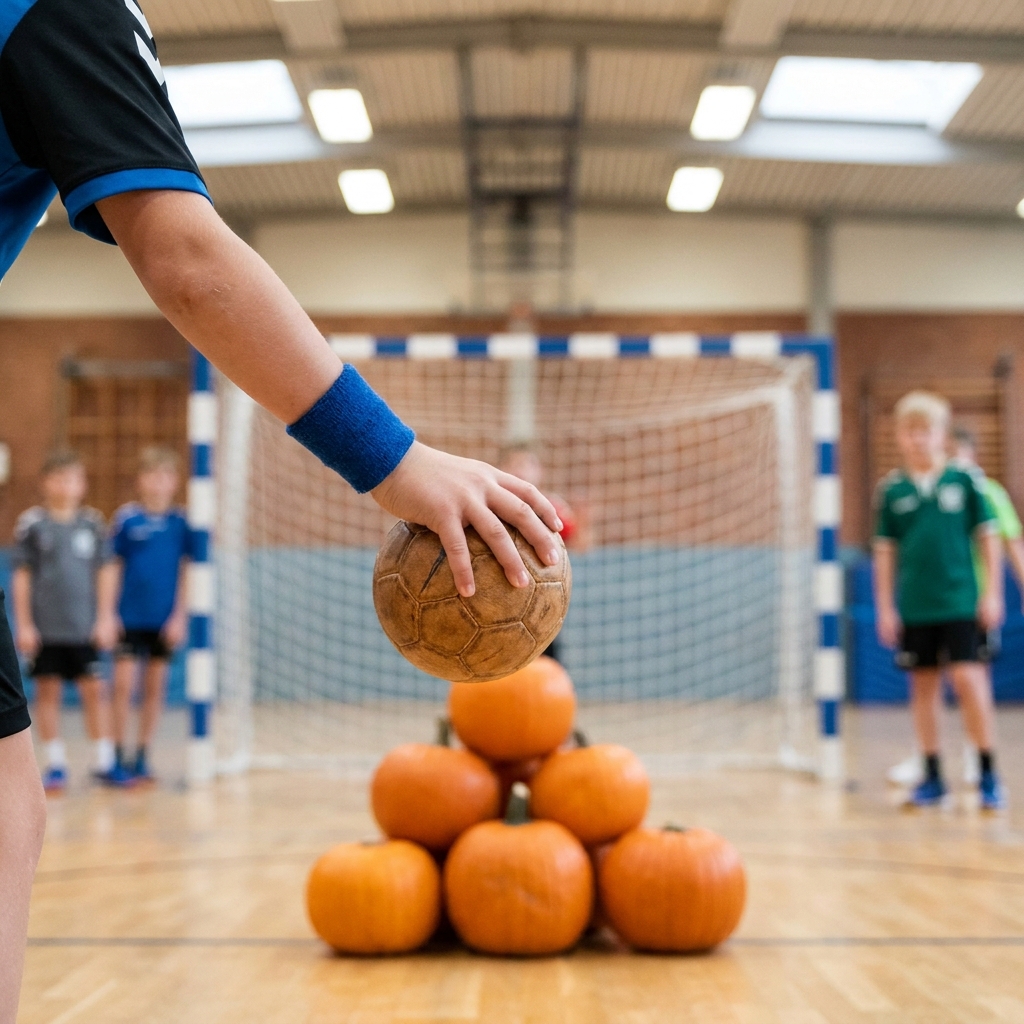
A ready-to-run Halloween handball session for juniors: spooky warm-ups, verified drills and a small-sided game finale.
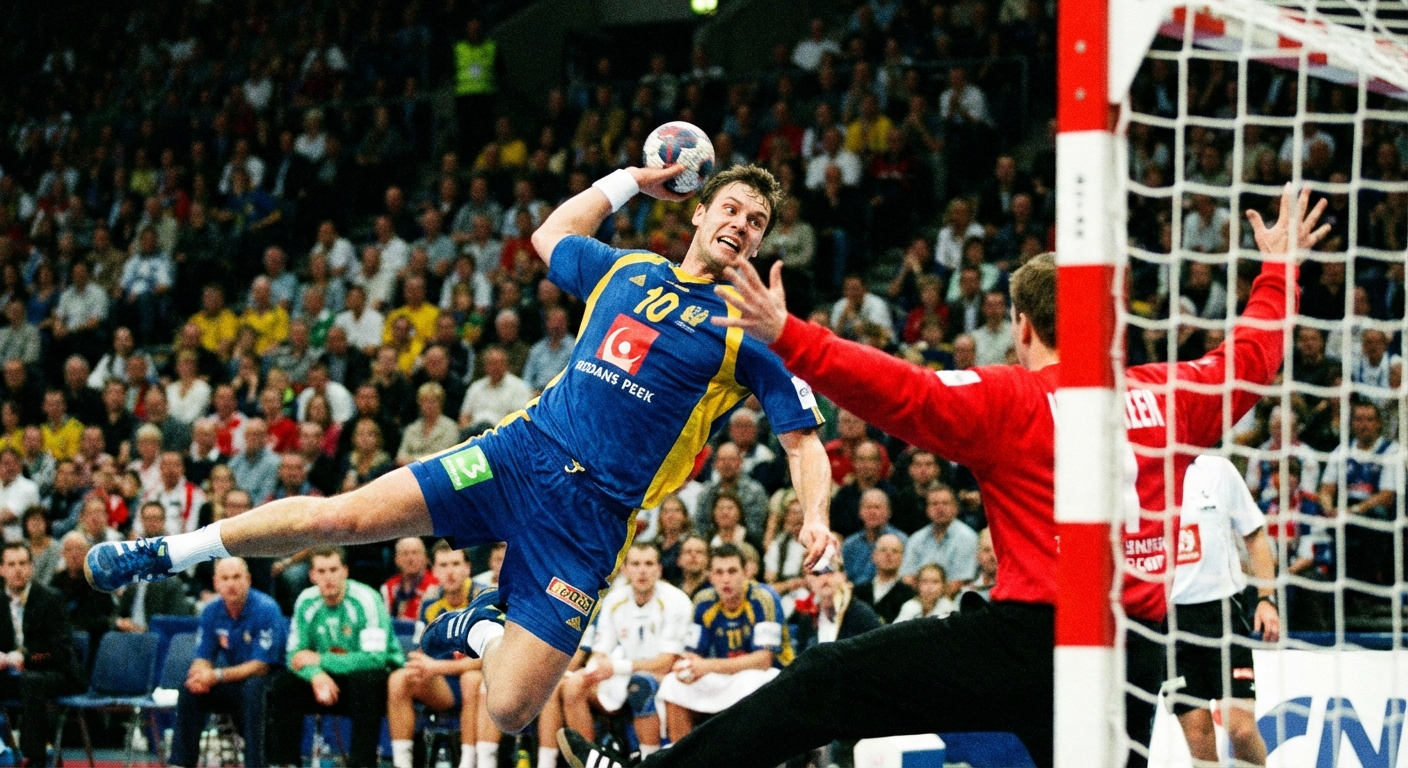
Wing players operate in the most demanding shooting position on a handball court, where acute angles and a close goalkeeper make finishing a specialist skill. This article breaks down the technique, decision-making, and training progressions that coaches need to develop elite wing finishing.


Register for FREE and get coaching tips, top drills, session and more every week!