Why Wing Players Need Specialist Finishing Training
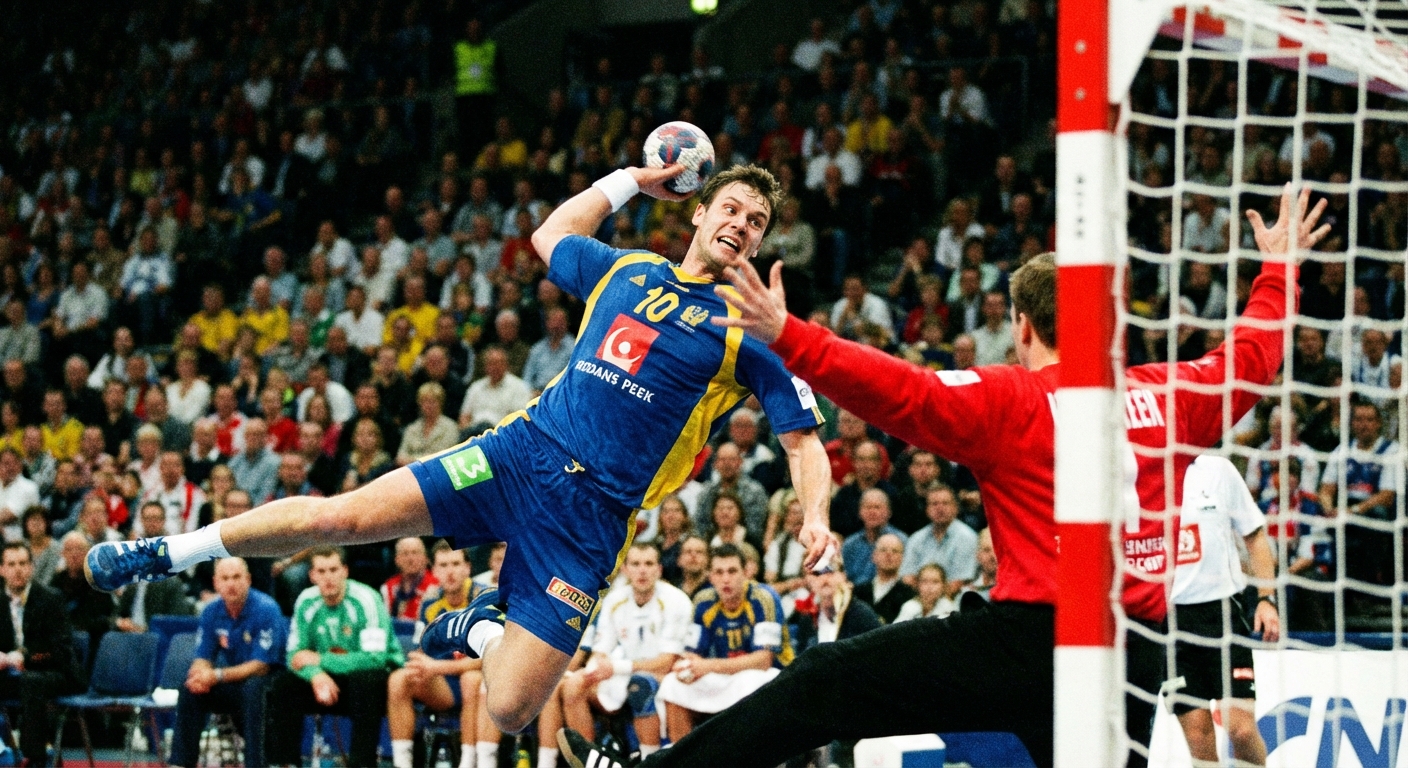
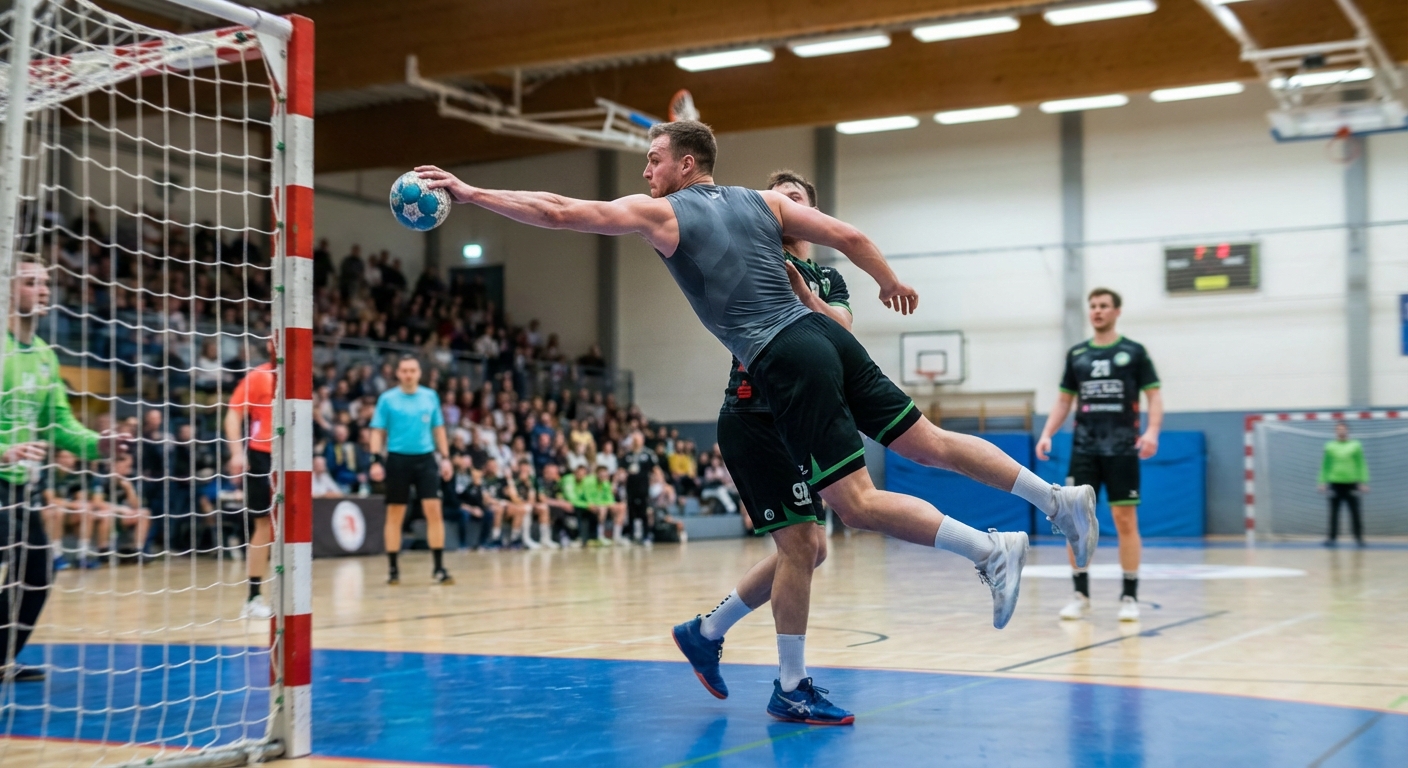
The wing position in handball is unique. No other position on the court demands that a player consistently convert shots from such extreme angles, with such limited space, against a goalkeeper who has significantly less goal to cover. A backcourt player shooting from nine metres has the full width and height of the goal available. A wing player shooting from the corner may have a visible target that measures less than a metre in width at the near post and two metres at the far post, depending on the goalkeeper's positioning.
Despite these challenges, the best wing players in world handball convert at rates above 65%. They achieve this not through raw power - wing shots are typically among the slowest in the game - but through precision, deception, and an intimate understanding of goalkeeper behaviour. This is a specialist skill set that requires specialist training, and coaches who dedicate time to wing finishing will see a measurable impact on their team's attacking efficiency.
The Physics of Shooting from Acute Angles
Understanding the geometry of wing shooting is essential for both coaches and players. When a wing player receives the ball near the touchline, the angle to goal narrows dramatically. The goalkeeper's job becomes simpler because they can cover a high percentage of the goal simply by staying on their line and making themselves big. This means that the wing player cannot rely on finding open space - they must create open space through technique and deception.
The near post is the most protected area because the goalkeeper's position naturally covers it. The far post offers more space but requires the ball to travel a longer distance, giving the goalkeeper time to react. The most effective wing shots exploit the space between the goalkeeper's body and the post, or go over or under the goalkeeper's arms and legs by inducing them to commit in the wrong direction.
The Angle Changes Everything
A critical concept for young wing players is that their effective target changes with every step they take. Moving one metre closer to the goal line reduces the available angle significantly but brings them closer to the target. Moving one metre away from the goal line increases the angle but adds distance. The optimal shooting position is a compromise: close enough to minimise the goalkeeper's reaction time, wide enough to maintain a viable shooting angle. Most elite wings find this sweet spot approximately one to two metres from the goal line.
Technique: The Wrist Snap, Body Lean, and Goalkeeper Reading
The Wrist Snap
Power from the wing comes from the wrist, not the arm. Because the shooting motion happens in a confined space with limited backswing, wing players must develop exceptional wrist strength and snap speed. The wrist generates the late direction change that deceives goalkeepers. In training, coaches should include regular wrist strengthening exercises: ball squeezes, wrist curls with light weights, and rapid wrist flick drills against a wall from close range.
Body Lean and Deception
The best wing players use their body position to deceive the goalkeeper before the shot is released. A common technique is to lean the upper body toward the far post during the approach, causing the goalkeeper to shift their weight in that direction, then redirect the shot to the near post with a late wrist adjustment. This lean-and-redirect pattern is the foundation of wing shooting at the highest level.
Another deception technique is the height fake. The wing player jumps high as though shooting over the goalkeeper, causing them to raise their arms, then shoots low under the block. Alternatively, the player stays low in their approach, encouraging the goalkeeper to drop, then lifts the ball over them. The key coaching point is that every shot should include an element of deception - a wing player who simply shoots at the goal without manipulating the goalkeeper will be saved far more often.
Reading the Goalkeeper
Elite wing players develop the ability to read the goalkeeper's positioning and tendencies in real time. Before the ball even arrives, the wing player should be scanning the goalkeeper's stance: which way is their weight distributed? Are they standing tall or crouching? Are they cheating toward the near or far post? This information, processed in fractions of a second, determines which shot to select.
Training Progressions for Wing Finishing
Stage 1: Stationary Shooting Without a Goalkeeper
Begin with the wing player standing in the optimal shooting position, approximately one to two metres from the goal line. The player receives a pass and shoots at specific target areas marked with cones or tape on the goal. Focus purely on the wrist snap technique, aiming for the same target 20 times before moving to the next target. The corners of the goal (near post low, near post high, far post low, far post high) should all be practised equally.
Stage 2: Stationary Shooting With a Goalkeeper
Introduce a goalkeeper and begin the deception training. The wing player practises the lean-and-redirect technique, the height fake, and simple wrist direction changes. At this stage, the goalkeeper should be instructed to commit early to one side, giving the wing player clear opportunities to read and redirect. As confidence builds, the goalkeeper becomes more neutral in their starting position.
Stage 3: Dynamic Approach and Shoot
The wing player now receives the ball while moving toward the goal, adding the footwork and timing components. The emphasis shifts to catching the ball cleanly while at speed, maintaining balance through the shooting motion, and making the deception convincing even while moving. The three-step approach (receive, adjust, shoot) should become a fluid single motion.
Stage 4: Game-Realistic Finishing
Add a defender to the scenario. The wing player must now time their movement to receive the ball in space, decide whether the shot is available or whether a pass back to the backcourt is the better option, and execute the chosen action under pressure. This is where the decision-making element becomes as important as the technical skill.
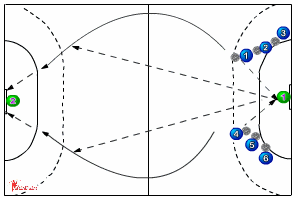
When to Shoot vs Pass Back: The Wing Player's Decision Tree
Not every ball that arrives at the wing should result in a shot. One of the most important aspects of wing play development is teaching players when to shoot and when to pass back. A wing player who shoots every time they receive the ball becomes predictable and wastes possessions. A wing player who never shoots becomes a wasted attacking option. The balance is critical.
Shoot When:
The goalkeeper is out of position or has committed early. There is a clear line to a corner of the goal. The wing player has received the ball with time and space to execute their preferred technique. The team is on a fast break and the goalkeeper is still recovering.
Pass Back When:
The goalkeeper is set and covering the angle well. A defender has closed down the shooting space. The wing player has received the ball off-balance or too close to the goal line. A backcourt player has a better shooting opportunity. The team is in a patient attacking phase and a better chance will come.
Coaches should train this decision-making explicitly. Set up scenarios where sometimes the shot is clearly on and sometimes it clearly is not, and give feedback on the decision as well as the execution. Over time, add ambiguous situations where the correct choice is less obvious, developing the player's judgement under pressure.
Session Structure: Wing Finishing Training
Sample Session Plan (60 minutes)
Warm-Up: Wrist Work (10 min)
Pairs face each other 3 metres apart and throw rapid passes using only wrist flicks. Progress to one player throwing at a wall from 2 metres, working both left and right wrists. Finish with 20 wrist-snap shots from 3 metres into an empty goal, targeting corners.
Technical Focus: Deception Shooting (15 min)
Wing players work with a goalkeeper. Coach specifies the deception technique for each set of 10 shots: lean-and-redirect, height fake, or wrist change. Goalkeeper starts with exaggerated movements to give clear reads, becoming more neutral as the drill progresses.
Decision Training (20 min)
The coach holds up a coloured cone as the wing player receives the ball. Green means shoot, red means pass back. After 5 minutes, the coach removes the cone and the wing player must make the decision based on the goalkeeper's position. Coach provides feedback on every decision.
Game Scenarios (15 min)
6v6 attack vs defence where the attacking team must score from the wing at least once every three possessions. This forces the backcourt to create wing opportunities and the wing player to convert under realistic defensive pressure.
Common Mistakes and How to Fix Them
Mistake 1: Shooting Too Close to the Goal Line
Young wing players often drift too close to the goal line before shooting, reducing their angle to almost nothing. Fix this by placing a marker on the court at the optimal shooting position and having the player aim to shoot before they pass it. Over time, the player develops a feel for when they have reached the sweet spot.
Mistake 2: Telegraphing the Shot Direction
Wing players who look at their target before shooting give the goalkeeper all the information they need. Train players to keep their eyes on the goalkeeper rather than the goal, and to make their directional decision based on what the goalkeeper does rather than a predetermined plan.
Mistake 3: Ignoring the Pass-Back Option
Some wings become fixated on scoring and force shots from impossible positions. Reinforce that a pass back to a backcourt player in a better position is a high-quality decision, not a failure. Track pass-back decisions as a positive statistic alongside goals scored.
Frequently Asked Questions
How much time should I dedicate to wing finishing in each training session?
For teams that include wing players, aim to dedicate 10-15 minutes of each session specifically to wing finishing. This can be integrated into shooting drills rather than treated as separate training. The key is consistency - 10 minutes every session is far more effective than 40 minutes once a week. Wing finishing relies on repetition to build the muscle memory and goalkeeper-reading skills that take time to develop.
Should wing players specialise on one side only or train both wings?
At youth level, train players on both wings to develop ambidexterity and tactical flexibility. From under-16 upward, players will naturally begin to specialise on their stronger side, but maintaining the ability to play the opposite wing is valuable for team selection and tactical variation. The dominant hand determines the natural wing: right-handed players favour the left wing, left-handed players favour the right wing, because this gives them a more open shooting angle.
What is the most effective shot type from the wing position?
The spin shot (using wrist rotation to curve the ball around the goalkeeper) is the most effective wing shot at the highest level because it is extremely difficult for goalkeepers to predict and save. However, it requires significant wrist strength and coordination. For developing players, the straight wrist-snap shot with a lean-and-redirect deception is the most reliable starting point. Build toward the spin shot progressively as wrist strength develops.
How do I develop wing players who are not naturally fast?
Speed helps wing players in transition situations, but positioning intelligence and finishing technique are more important in set-play attack. A slower wing player who reads the game well, times their runs perfectly, and finishes with high accuracy can be extremely effective. Focus on anticipation training, teaching the player to start their movement before the pass is released, and on developing a wide repertoire of finishing techniques that do not rely on outpacing defenders.