Practice Organisation ⢠Area 15x15yds, with small goals positioned on centre of each line, as illustrated. ⢠5 players arranged 2 attackers v 3 defenders, as shown in the diagram. ⢠Coach with supply of balls at side. ⢠Practice starts with: coach passes ball in to attacker, moving into space. ⢠Attackers combine to attack any of 4 goals, defended by 3 defender. ⢠Following goal or defensive regain of possession: play stops, players re-establish position and practicerestarts from coachâs service. ⢠Rotate roles and practice recommences with initial set-up arrangements. Detail ⢠Size of area can be adjusted according to age and ability of players. ⢠Practice operates at high tempo for limited time, determined by coach. ⢠Continuous assessment by attackers on when to pass, shoot, or dribble, as the practice alters with changing positionsof defender. ⢠Support play and communication between attackers and defender as units. ⢠Simple progressions for this practice are: - Add to number of players in practice to change overload (e.g. 3v3, 4v3 etc). - If defender gain possession: play ball quickly to team mate to score in a goal not being directly protected by them. - Tackling/intercepting defender quickly counter-attacks by dribbling/ driving with ball to furthest goal away. - If defender gain possession: need to make wall pass before being able to score.
This practice has no coaching points
This practice has no progressions

in more ways than one
 sportplan_football



Heavy pitches and dark, cold nights make this the hardest time of year to coach well. Here is how to adapt the session rather than write it off.
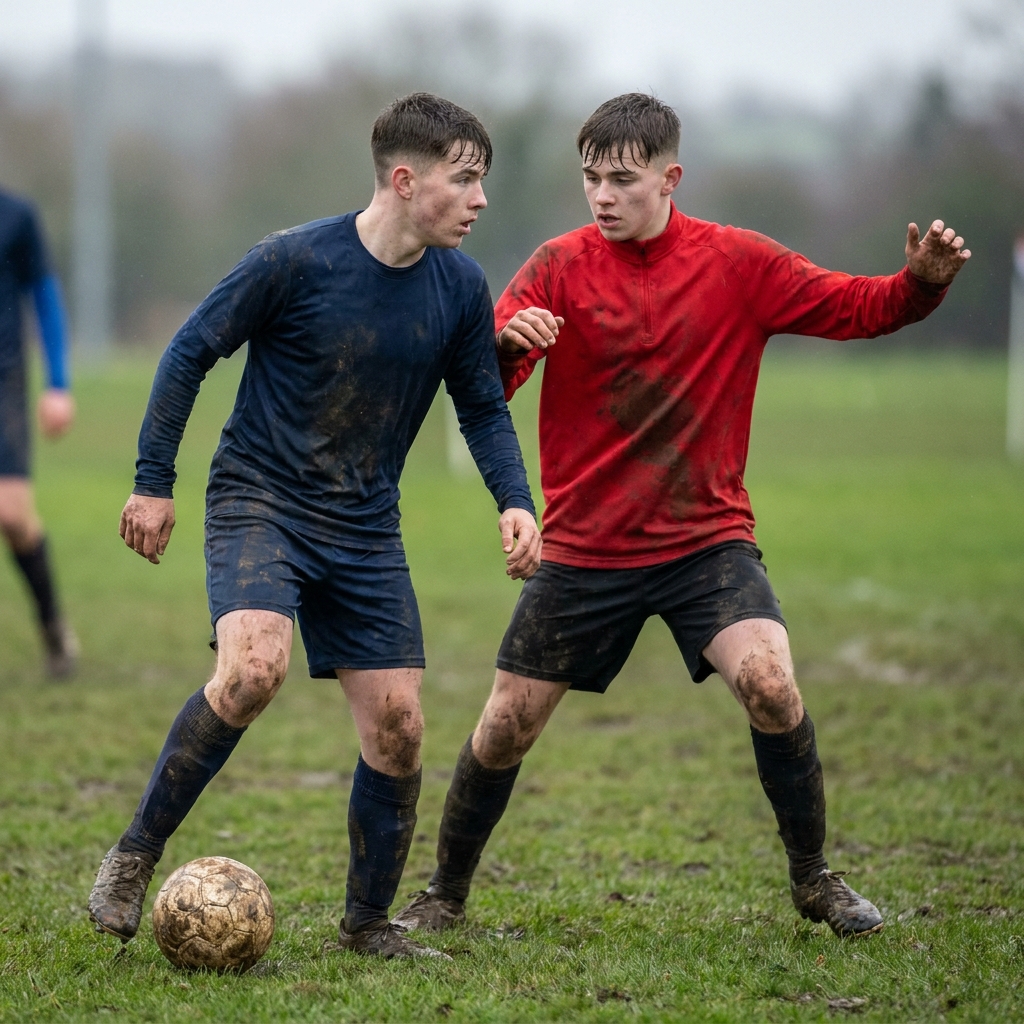
Silent Support Weekend pauses the touchline shouting. Here is how to build players who communicate, scan and decide for themselves.

Four Halloween-themed games sneak a full warm-up, finishing, rondo and small-sided game into one junior football session this week.