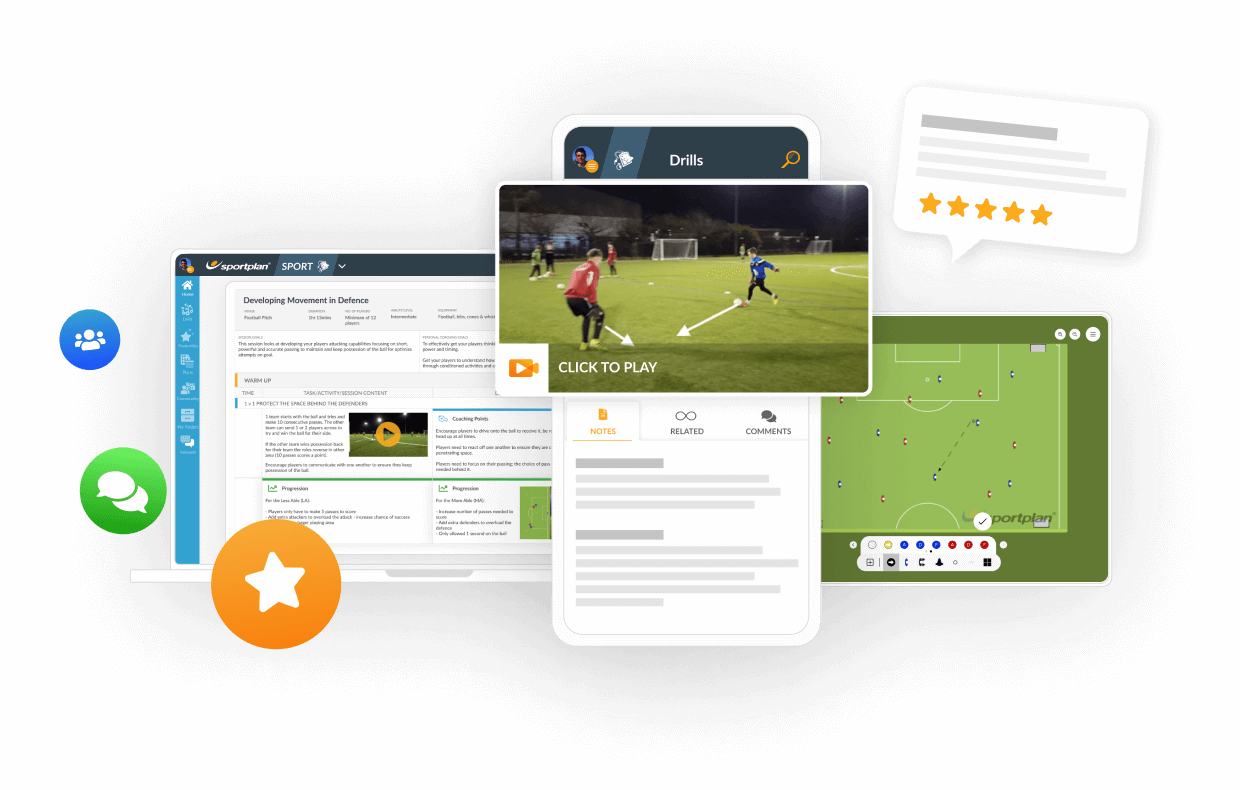
The first 10 minutes of the session will involve a drill that works on crossing the ball into the box. A set of cones will be placed down one side of the pitch. Each player will take it in turns to dribble through the cones and then cross the ball into a target player who will stand on the penalty spot. The player who receives the ball will then take a touch and shoot at goal. The player who passes the ball will then move to the penalty spot so the next player can dribble through the cones and cross the ball. We will run through this drill to give each individual practice of travelling with the ball at pace and then delivering the ball into the box. After everyone has been through the drill twice we will add in a defender instead of cones and this creates a challenge for each player. If they are successful in beating the defender then they again have to get their cross away continuing the practice of the session goal which is to develop the success rate of attacking in wide channels and crossing the ball into the box. We could use a benchmark for

The 2026 World Cup is nearly upon us. Here is Sportplan's preview for the tournament on who we think is going to do well and which teams to look out for.

Discover our new Coaching Trends section - in-depth articles covering the latest tactics, techniques and innovations across Football, Hockey, Cricket, Rugby, Netball, Basketball, Tennis, Handball and Volleyball.

Save yourself a scare this Halloween and ensure your session runs smoothly. No chaos, no fright, just structure.


Register for FREE and get coaching tips, top drills, session and more every week!