4v3 broken down into 2v2 + 2v1 focusing on Breaking the line --> Playing forward.
Orange : ATT team.
goal: outplaying the 2 defenders on defensive half.
Passing the ball to 1 of the 2 forward players inside the attacking half (scoring zone)
Once the ball is in the attacking half they need to connect 1 pass min before scoring.
The 2 'lower' players will need to make forwards support runs to create an overload (4v3) in the attacking half (scoring zone)
Blue: Def team.
Prevent Orange from scoring.
Stop them from passing the ball foward.
Pressure - Cover.
When line is broken make recovering runs to make the field smaller and force them into mistakes.
When Blue wins the ball they have no limitations and can score right away (counter attack).
Orange:
Scanning: if I have the ball can I play forward? down the line or through ball.
I can not play forward, Find my teammate and reposition on the decision my team mate makes.
If my teammate plays forward i need to support the receiving player.
If my teammate doesn't play forward I need to be a rotational option.
-scanning.
-Body orientation.
-movement with out the ball.
-communication.
Players in the attacking half:
Scanning to recognize spaces to receive the ball.
Scanning to recognize what to do with the ball when receiving it.
Transition moment:
what do we do when we lose the ball(press, compact the field, Force them backwards)
Blue:
Pressure , cover to stop the ball from going forward.
que to press. (technical error, no scanning, negative body orienation.
Quick forward runs to score counter goals.
in more ways than one
 sportplan_netball

in more ways than one
sportplan_football
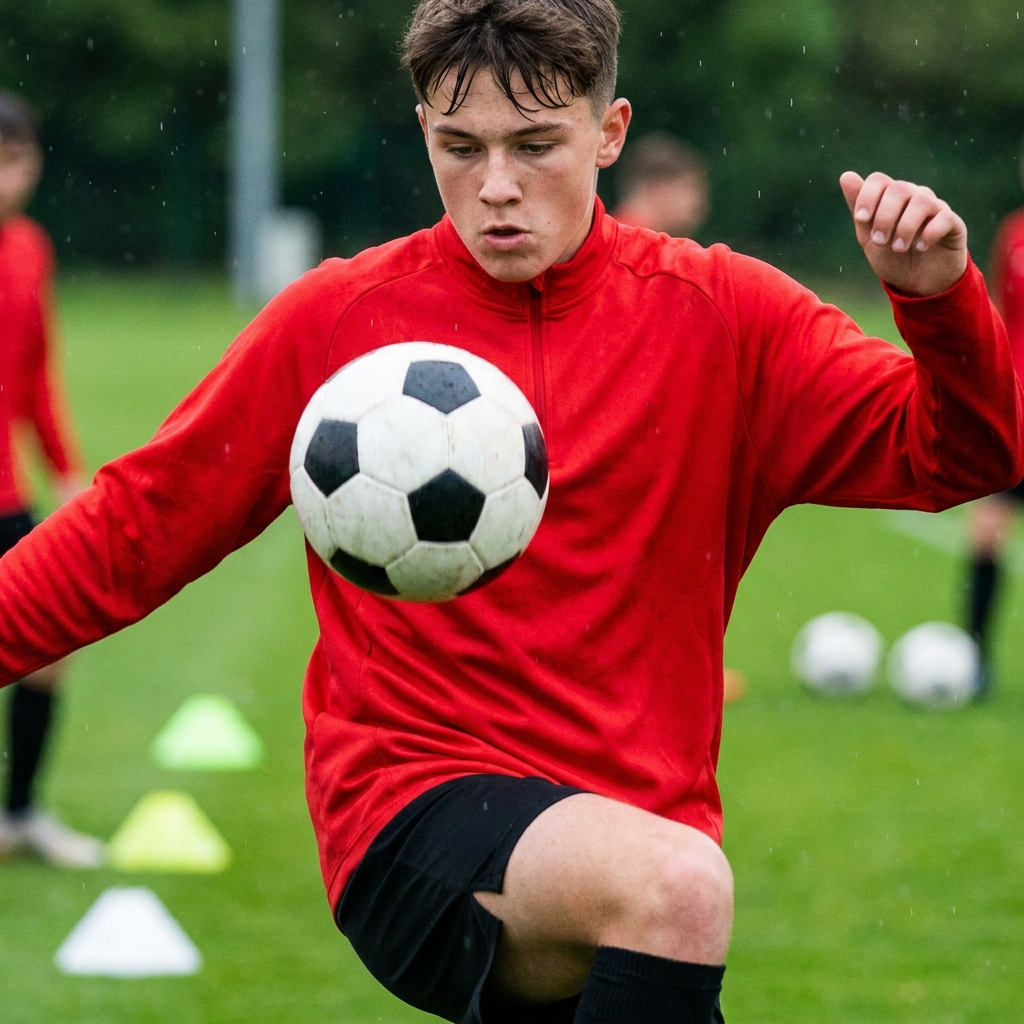
Deliberate heading is now out of U11 grassroots matches. Here is how to coach chest, thigh and foot control so your players still win the ball in the air.

Long-range goals doubled at the 2026 World Cup as teams sat deep. Here is how to coach when to shoot from distance, the technique, and the follow-up.
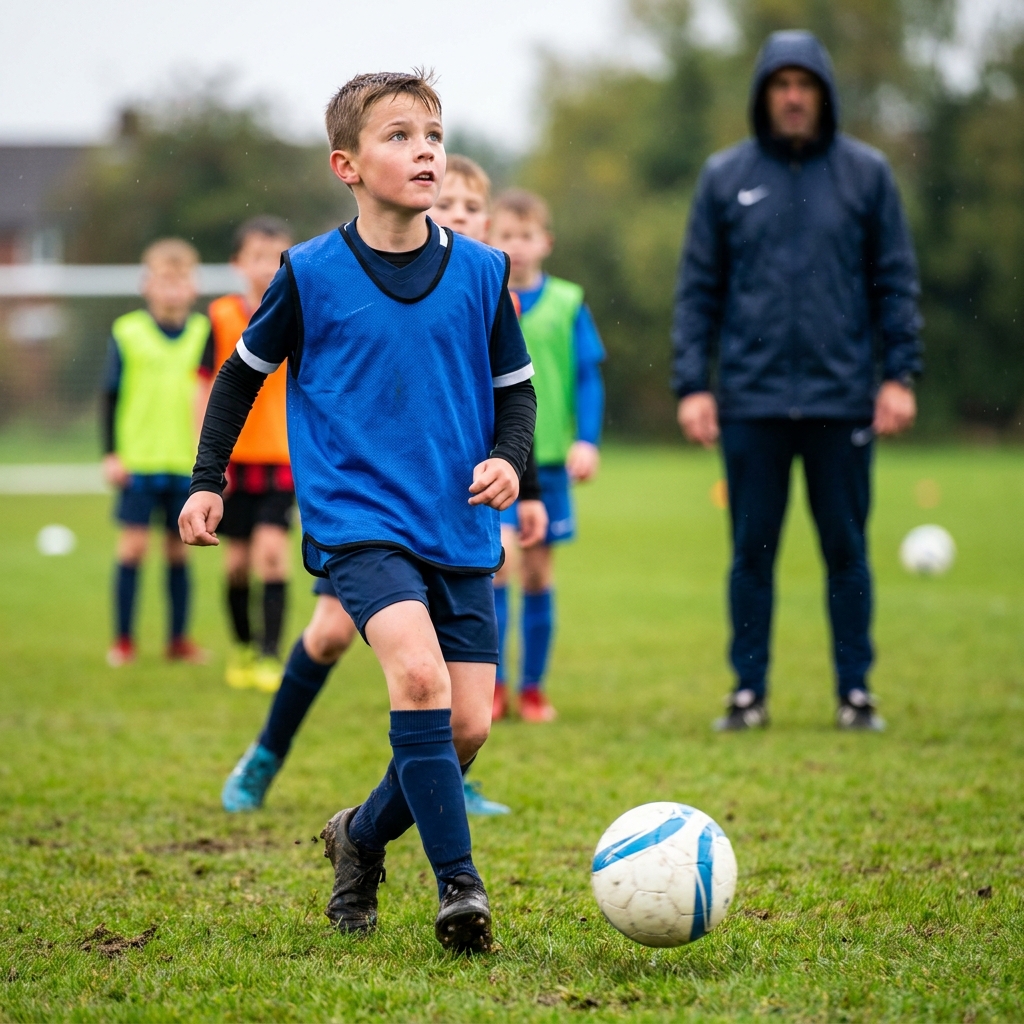
Under FutureFit, your Under-9s stay at 5v5, your Under-11s stay at 7v7 and your Under-13s stay at 9v9. Same pitch, same numbers, one more year. Here is how to make sure that year feels like a step forward rather than a repeat.