For the final part of the session, the player will play a bowling game. Firstly, the coach must make sure the pitch length is correct for the age of the player. Once the pitch length as been set, stumps need to be placed at either end of the wicket and a line of disk markers need to run down from middle stump from one end of the wicket to the other. Once that has been completed, the coach needs to place the foam target on the top of off stump.
Once the pitch has been set up, the coach will then explain the game and the number of points available for hitting various targets. They are as follows: -
The player will bowl a total of 12 balls and once that's been completed, the coach will make a note of how points the player has achived. Once that's noted down, the challenge for the player is to beat it.
Regardless of the result, the coach should be very enourgaging throughout the game and coniture to focus on the spin being the key element to the session rather than anything else. The player should hear lots of 'good try' 'well done' 'great delivery' 'lots of turn on that delviery' and any other enougaging comments

The new Laws of Cricket are in force from 1 October 2026 and the 'bunny hop' boundary catch is gone. Here is how to coach your fielders to catch on the rope this winter.

The covers are on and the last tea has been served. What your club does between now and April decides how the next season starts. Here is a simple, honest winter plan for players, bowlers and juniors.
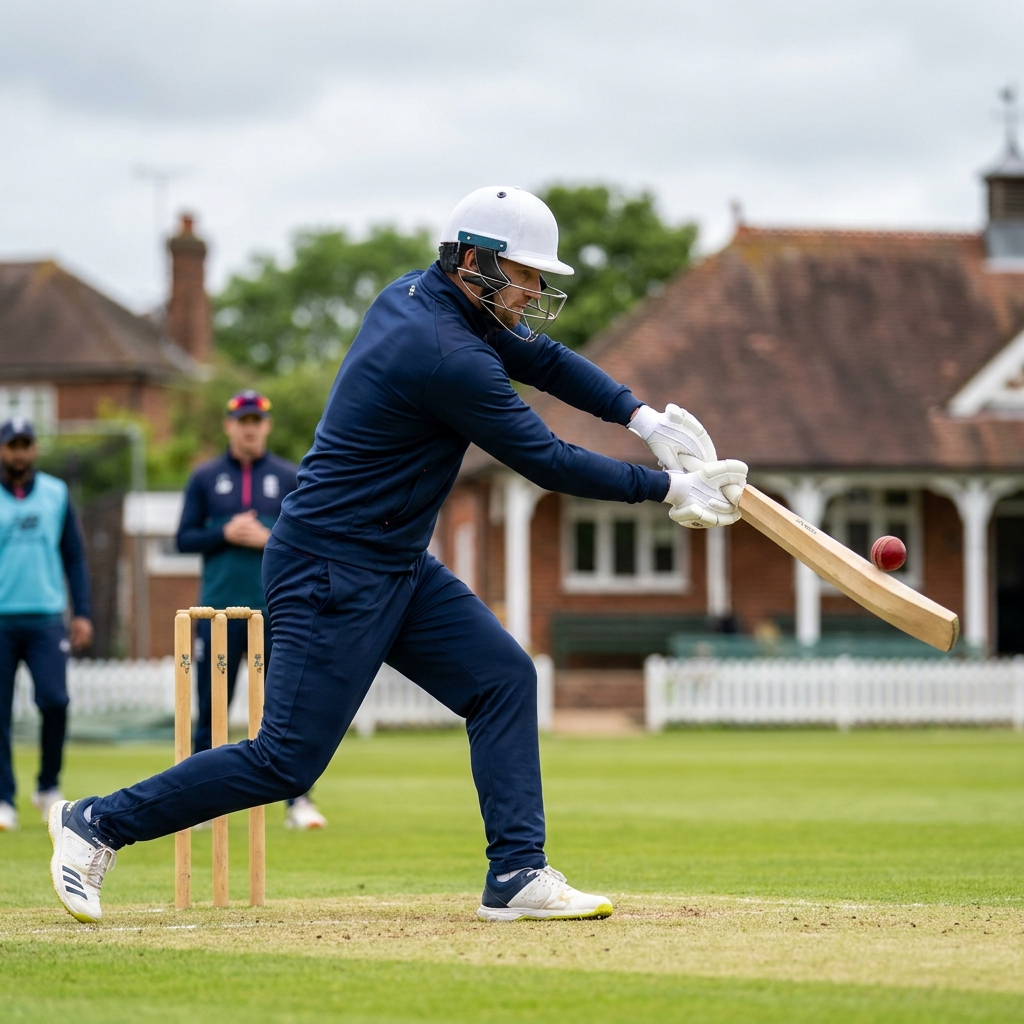
August is when seasons are decided, and most club games are lost chasing rather than setting. Give your batters a framework for the chase and you win the close ones.


Register for FREE and get coaching tips, top drills, session and more every week!