

The Coaching Problem
Your batter is set and looking comfortable. Then a loose delivery, a soft dismissal, and they're walking back shaking their head. "I wasn't concentrating" is the honest assessment. Technical ability wasn't the issue - focus was.
In 2026, game awareness is being talked about as a fitness metric. Just as we train physical conditioning, we must train mental conditioning. The micro-reset between deliveries is where this work happens.

What Is a Micro-Reset?
A micro-reset is a tiny mental recalibration between deliveries. It's the routine that clears the previous ball from your mind and prepares you fully for the next one. Elite players do this automatically; developing players need to learn it consciously.
The reset happens in the 15-20 seconds between deliveries. It combines a physical trigger, a mental cue, and a focus point. Done consistently, it builds the concentration that lasts an entire innings.
Why This Matters in 2026
Modern Cricket's Intensity
Formats change rapidly. Bowlers rotate, field settings shift, and match situations evolve. The mentally adaptive player thrives; the rigid thinker struggles. Micro-resets build the adaptability modern cricket demands.
Information Overload
Players today have more data, more analysis, more input than ever before. Without a clear reset routine, this information becomes noise rather than signal. The reset clears space for what matters: the next delivery.
Pressure Moments
When the game is on the line, concentration narrows naturally - but often to the wrong things. A practised reset routine keeps attention on execution rather than outcome.
Building a Personal Reset Routine
1. Physical Trigger (2-3 seconds)
A consistent physical action that signals the start of your reset. Common triggers include:
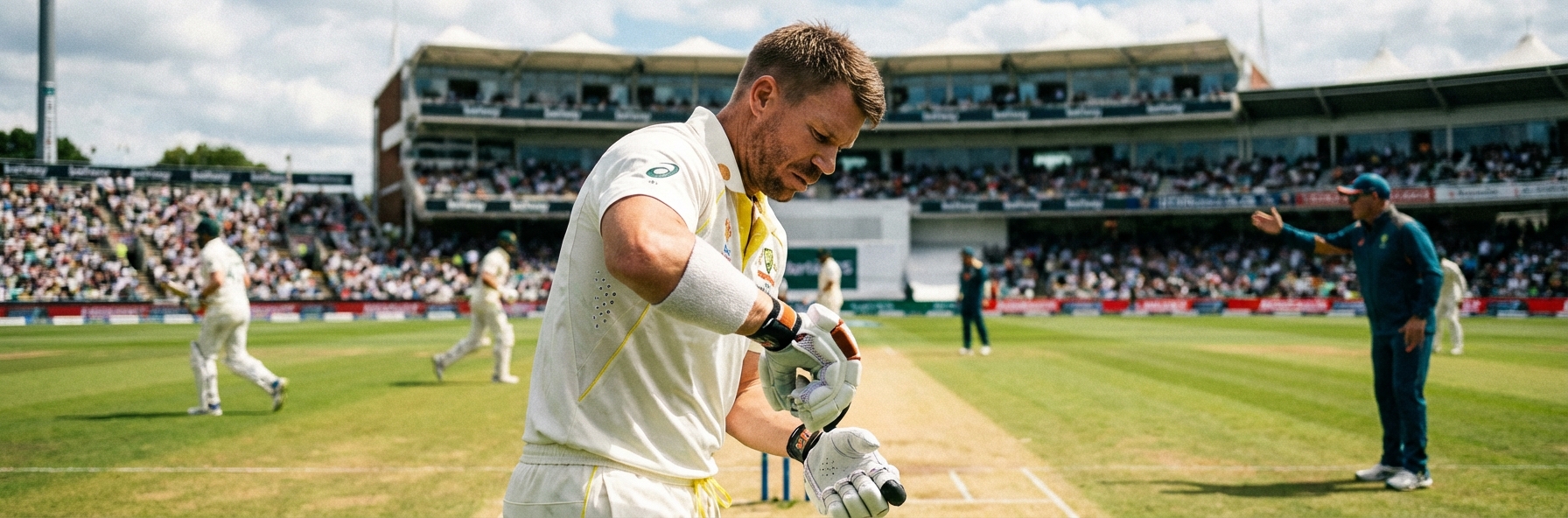
- Adjusting gloves (both gloves, same order each time)
- Tapping the crease with the bat
- Touching the peak of the helmet
- Taking a specific step pattern back into stance
The trigger must be the same every time. Consistency builds habit.
2. Mental Cue (5-7 seconds)
A brief mental statement or image that centres attention. Examples:
- "Watch the ball" (simple but effective)
- "Soft hands, head still"
- Visualising the ball hitting the middle of the bat
- A single deep breath with focus on exhaling tension
Keep it short. Long mantras become distractions themselves.
3. Focus Point (5-7 seconds)
Eyes on the bowler, gathering information about grip, run-up cues, field position changes. This is active attention, not passive waiting. By the time the bowler releases, you should know:
- What grip they're using
- Any change in their approach
- Where the likely landing zone is

Training Micro-Resets in Practice
Net Sessions
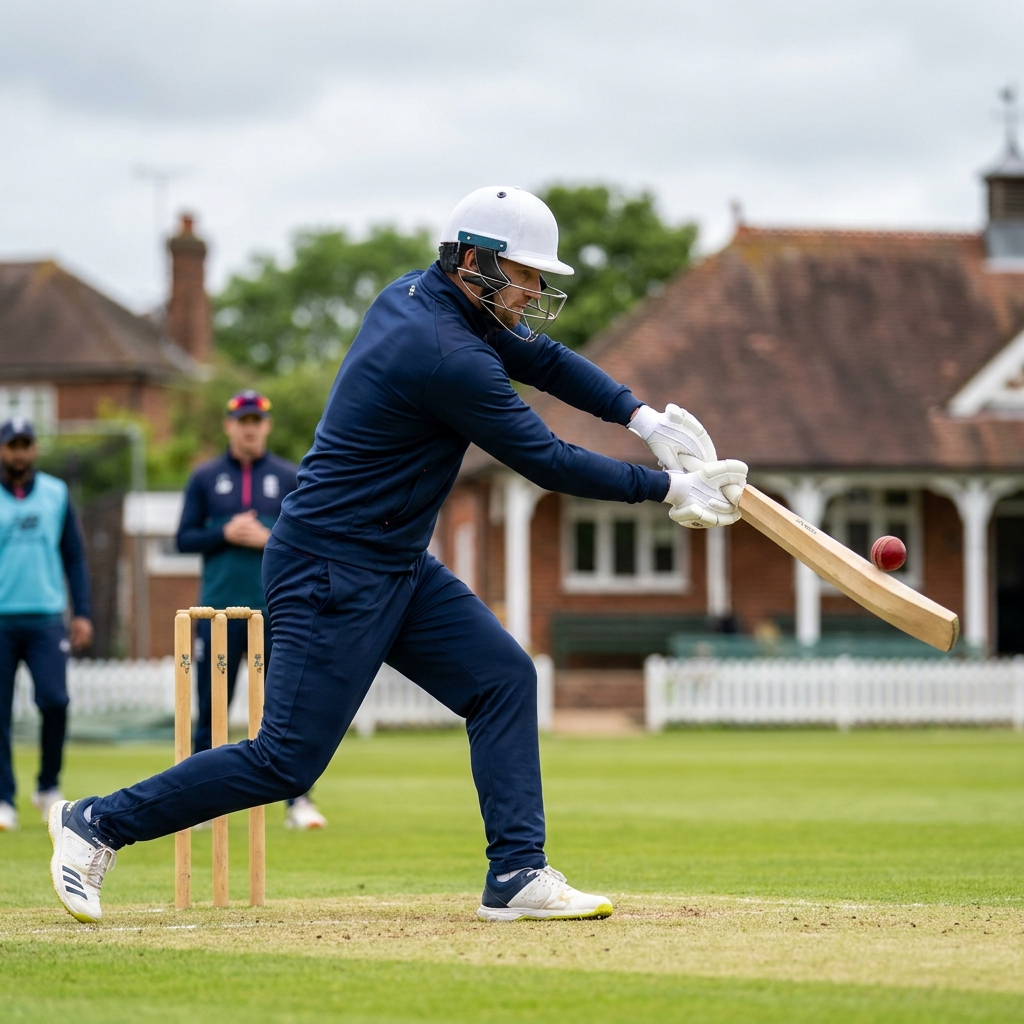
Insist on full reset routines between every delivery in nets, even throwdowns. The routine must become automatic before it works under pressure. Rushing through nets without resets builds bad habits.
Distraction Drills
Introduce distractions between deliveries - noise, comments, movement - and require the batter to complete their reset before facing. This builds the ability to reset despite external pressures.
Pressure Scenarios
Create match-like pressure in training. "You need 12 off this over." Watch whether batters maintain their reset routine or abandon it. Those who keep the routine perform better.
Video Review
Film batters and review their between-delivery routines. Inconsistency is often invisible to the player but obvious on video. Use footage to build awareness.
For Bowlers Too
Micro-resets aren't just for batters. Bowlers benefit equally from routines between deliveries:
- Walk back: The return to the mark is the physical reset
- Clear the previous ball: Whether it was hit for four or bowled a jaffa, it's gone
- Plan the next delivery: Where are you aiming? What are you trying to achieve?
- Commit to the plan: Run in with clarity, not doubt

Recommended Drills


Frequently Asked Questions
How long should a reset take?
15-20 seconds is typical - the natural time between deliveries. Don't rush it, but don't hold up play either. The routine should fit naturally into the game's rhythm.
Can you teach this to juniors?
Absolutely, though keep it simple. "Tap your bat, take a breath, watch the bowler" is enough for young players. The habit of having a routine matters more than the routine's complexity.
What if a player rushes and skips the reset?
In practice, stop them. Insist on the full routine. If they rush in nets, they'll rush in matches. Building the habit takes patience but pays off under pressure.
Do professional players really do this?
Watch any top batter closely. They all have routines - glove adjustments, crease taps, specific movements. The best players are most consistent with their resets, especially under pressure.