11-15 players ideally, 2 nets preferably.
Batters will bat in pairs for 10 minutes each.
Split the nets evenly with a theme, either:
Make sure this is tailored to the individual. You might also like to incorporate a fitness element. IE.
Play straight and late, if nothing else - remember this statement during early season batting.
There is a saying that you don't play the cut shot until June - this isn't exactly the most constructive or helpful advice, but the principle of it is good - be aware of playing too many cross bat shots on early season wickets when the ball is moving around and seaming off the pitch.
Encourage young players to play as straight as possible then. You can do this by practising straight bat drills, but also providing competition or incentives for playing the ball straighter (cones as targets or bonus runs during practise maybe).
Players are most likely to come fresh out of netting indoors and do the following early season:
Encourage players to play the ball underneath their eyes and closer to them as much as possible. Demonstrations and explanation of this should be made clear to players BEFORE they begin in order to make the most progress.
Those players who adapt best early season to bolwer friendly wickets will prosper most!
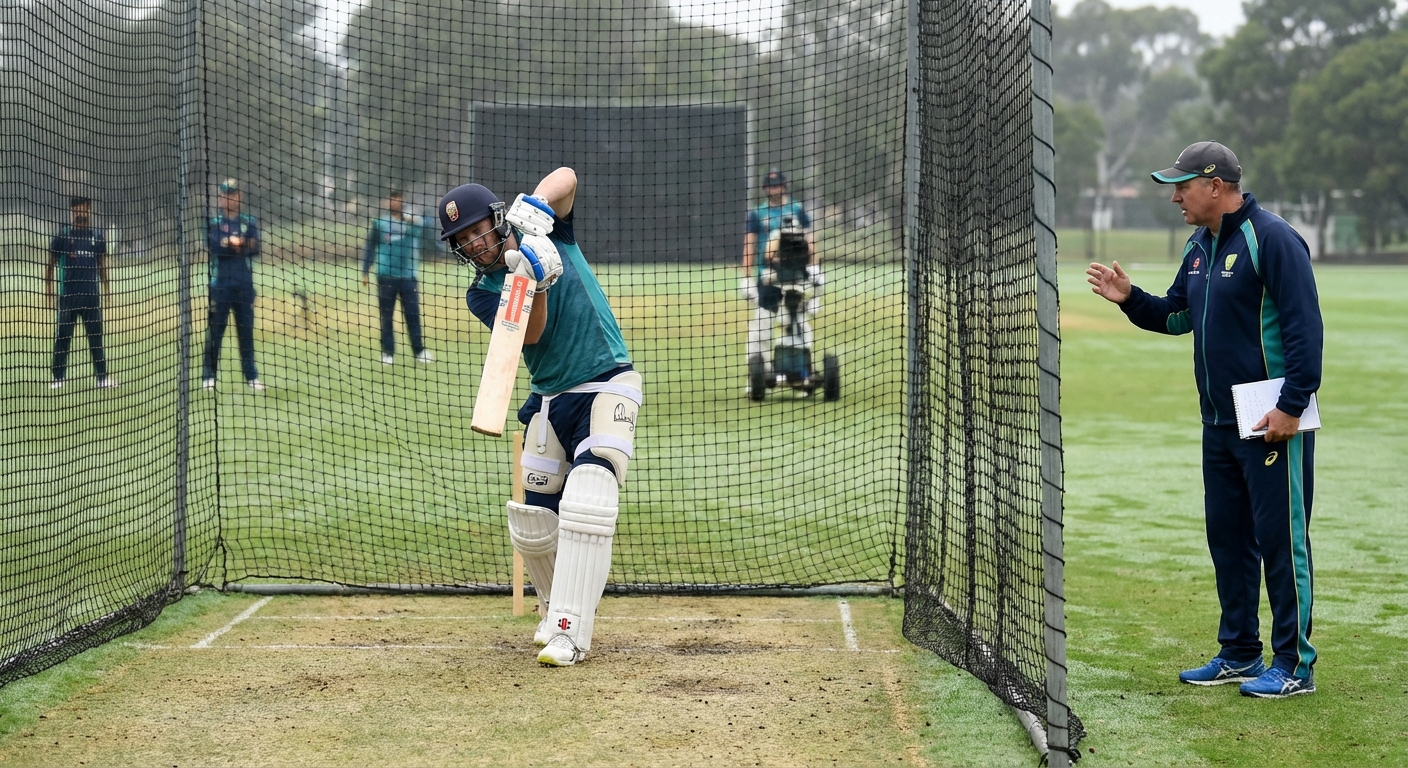
Pre-season is the best time to rebuild and refine batting technique without the pressure of match results. This article covers the fundamental batting positions that underpin consistent run-scoring, provides a progressive session framework from shadow batting to live bowling, and highlights the common pre-season mistakes that coaches should avoid.
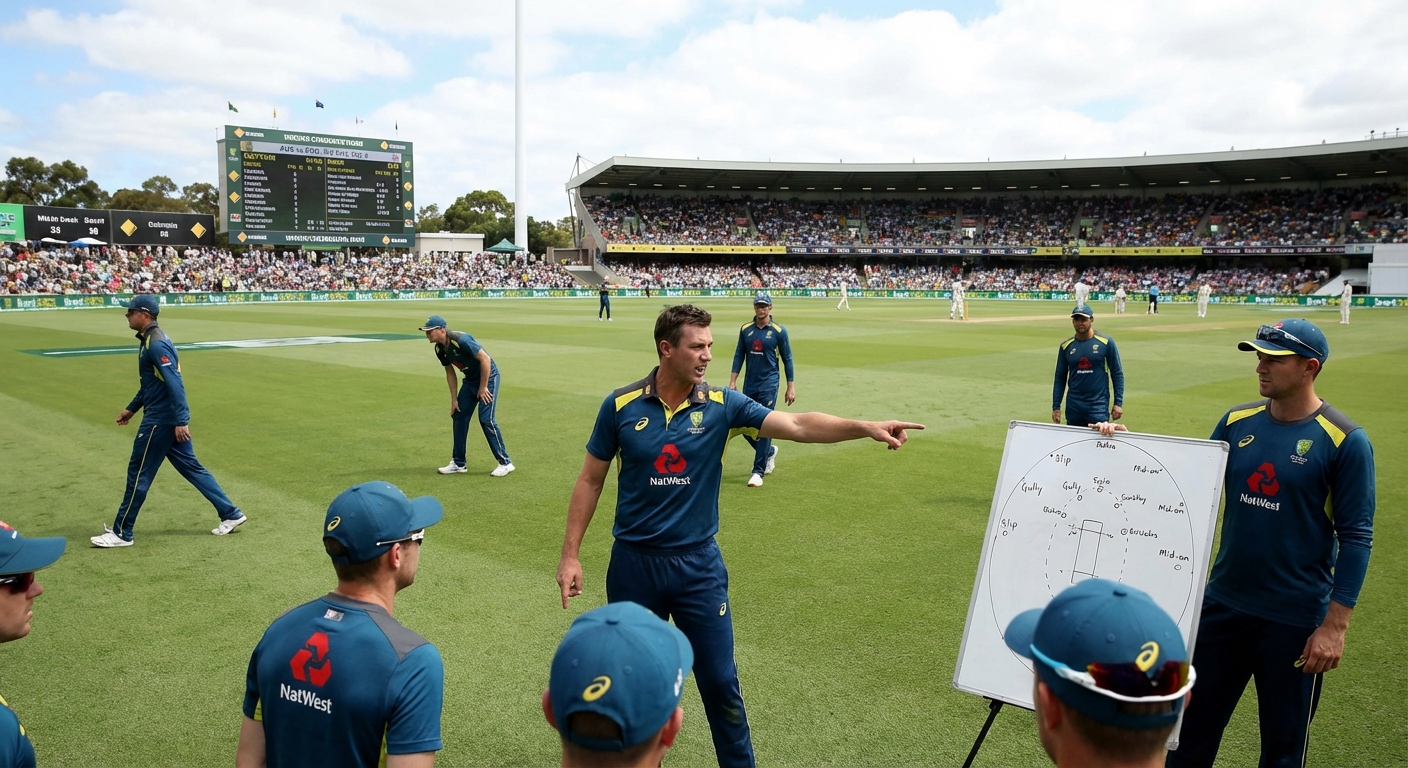
Fielding placement in limited overs cricket is a tactical chess match that changes with every phase of the innings. This article breaks down how captains should set fields during the powerplay, middle overs, and death overs, and provides practical coaching sessions for developing game-aware fielders who anticipate rather than react.
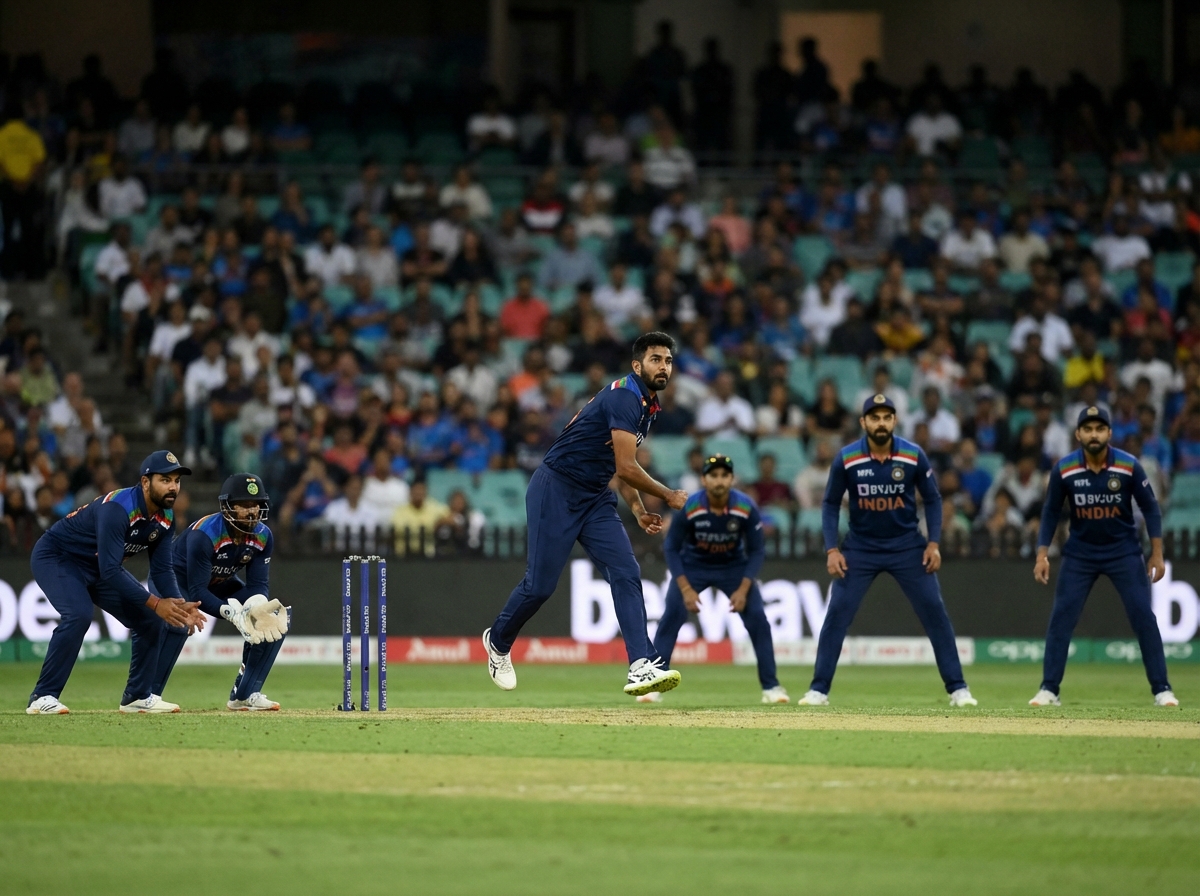
With IPL 2026 starting this month, we break down the art of powerplay bowling - field placement, line and length, and how to turn the fielding restrictions to your advantage.


Register for FREE and get coaching tips, top drills, session and more every week!