Although a very generic game of kwik cricket the emphasis is on getting a game going in a short space of time. Players are limited to 1 over of bowling and 1 over of batting for a pair. so more time fielding or sitting out. But the pairs waiting to bat can always be doing something with a coach discussing bowling, where to score the runs dependant upon the environment inside.
Coach acts as umpire as stands by the stage end. Bowling and batting remains in the same direction to speed things up, and for safety. This enables the coach to view both bat and bowler and can individually speak with the bowler for more technical/tactical matters.
So pairs cricket 8 players on each side can be more , which affects the numbers of bowlers. Each batting team has one over per pair. Each side starts with 200 runs , -5 per wicket caught, stumped, bowled, no LBW. Each batting team gets 4 overs. Due to various objects in the hall bonus/penalty runs can be adopted. Ie hit the ceiling -5 not a wicket so no swapping of batters after this happens. Wides and no balls count, no free hit either. No extra balls unless the last over. No limit of wickets just keep removing runs. Then when 4 overs complete switch over teams. If a bowler is very good challenge them to bowl with their weaker arm. Winner after the 2 innings is the one with the most runs.

The new Laws of Cricket are in force from 1 October 2026 and the 'bunny hop' boundary catch is gone. Here is how to coach your fielders to catch on the rope this winter.

The covers are on and the last tea has been served. What your club does between now and April decides how the next season starts. Here is a simple, honest winter plan for players, bowlers and juniors.
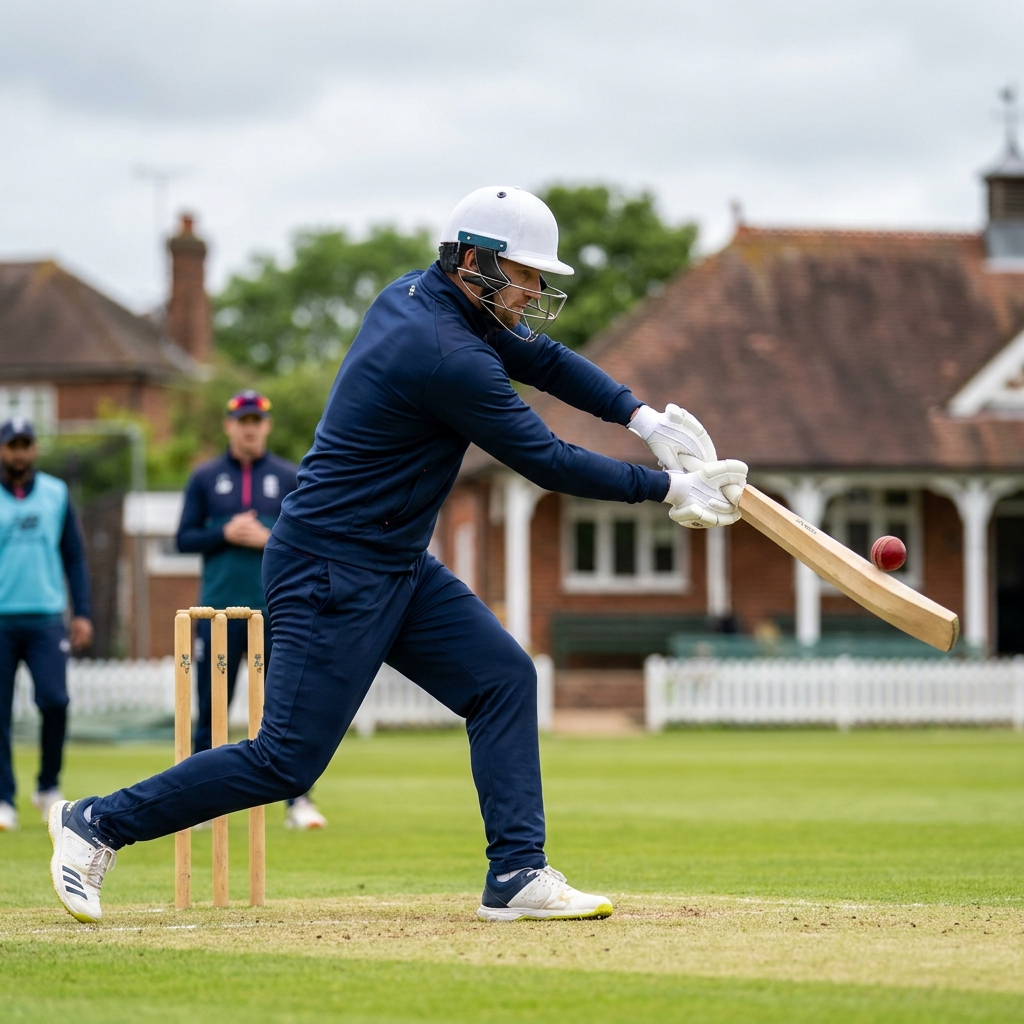
August is when seasons are decided, and most club games are lost chasing rather than setting. Give your batters a framework for the chase and you win the close ones.


Register for FREE and get coaching tips, top drills, session and more every week!