Key 5 4 Catching

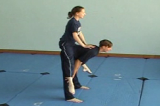
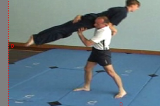
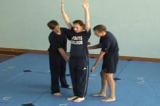
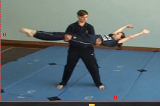
Starting situation. A face onto the back of B Face to back. B holds a Forward Lunge Base, but "makes a back". Catch works when gymnast A, starting directly behind B, makes a one step, hurdle step and rebound,to straddle vault onto B. Hands are aimed at the shoulders of B. B catches the body weight of A on their hips and lower back.

Key 5 4 Catching

Key 5 4 Catching

Key 5 4 Catching

Key 5 4 Catching

Key 5 4 Catching

Key 5 4 Catching

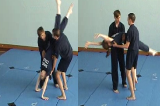
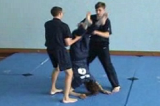
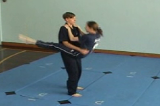
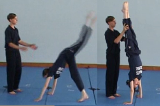
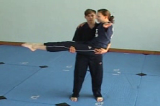
Starting situation. A face onto the side of B. Face to Side. B Side onto the front of A. Holding a cradle catch position. Gymnasts are five paces apart. Works when gymnast A starts face onto the side of gymnast B, and is five paces away from B. Gymnast B holds a cradle catch position, and is ready to move towards gymnast A. Gymnast A does a high one step - tumble step preparation into a Handspring, and holds a tense body line. Gymnast B has to time their movement towards, A in order to Cradle catch A in the early flight phase of the handspring. The aim of B is to cradle catch the body of A either side of the C of G, ie under upper thigh and around their lower back,and hold A in a straight shape.

Key 5 4 Catching

Key 5 4 Catching

Key 5 4 Catching

Key 5 4 Catching

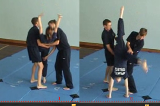
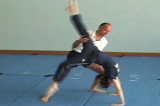
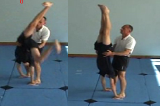
Bridge exit backwards into Handstand. Staring situation. A in a bridge face onto B. Face to Face. B face onto the face of A and holding a Lunge position. Works when gymnast A starts from a bridge position, and face onto B. Gymnast B holds a Lunge, or an Upright base, as preparation to catch the single foot, or both thighs of A. From the bridge position, Gymnast A either raises one leg, rocks into the shoulders and kicks with the lead leg to exit the bridge, into a split leg handstand balance; or rocks into the shoulders, pushes from two feet and hip extends into a handstand balance. Gymnast B aims to either catch the single foot of A and hold A in the split leg handstand balance; or" move in" to catch the thighs of A and hold A in a straight handstand balance. Note. The above actions also work if B stands side onto A and close to the shoulders of A during their bridge action.

Key 5 4 Catching

A Forward Layout Dive into a Shoulder Catch.

Starting situation. A Face onto and directly in front of B. Face to Face. B Face onto and directly in front of A. B holds a lunge position as preparation to catch A. Works when gymnast A start face onto, but two steps away from B. B holds a deep lunge position as preparation for the catch. A does a one step, hurdle step rebound, take off into a layout dive towards B. Gymnast B aims to assist the flight of A by lifting under the upper thighs of A, and catching the C of G, ie hips of A on their shoulder. Gymnast A holds a tense layout position in the balance created.

Key 5 4 Catching

Backward Roll to Fish Flop.

Starting situation. A backwards onto the side of B, with B offset from Back to side. the line of travel. ( for B catching A early). Back to Face. A backwards on to the face of B, with B in line with the line of travel. ( for B catching A late). Works when gymnast A starts back on to the side of B; or back on to the face of B. Gymnast B does a pike fold entry in to a backward roll, with an early hip extension towards a handstand position. Before attaining the handstand, gymnast A "catches their weight on the hands" to check the upward motion, arches the back and prepares to Chest rock. Gymnast B either moves with A along the mat and catches the knees early, to lift the C of G of A over their shoulders and then lower A into a Chest rock; or waits directly behind, and in line with the roll of A, to time the catching of the knees late, and thereafter lift the C of G of A over their shoulders, before lowering A into a chest rock.

Key 5 4 Catching

Backwards roll to Handstand balance.

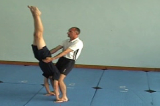
.Starting situation. A backwards on to the Side of B, and B offset from Back to Side. the line of travel. ( for B catching A early.) Back to Face. A backwards on to the Face of B, and B in line with the line of travel. ( for B catching A late.) Works when Gymnast A starts back on to the side of B; or back onto the face of B. Gymnast A makes a pike fold and tip entry, in to a backward roll action with an early hip extension, towards a handstand. Gymnast B either moves with gymnast A, to catch the lower thighs early, lifting and holding A in a handstand balance. or gymnast B waits to move in and catch the thighs of A, just as A has completed the backward roll into the handstand. B aims to arrest the motion of A and hold A in a handstand balance.

Key 5 4 Catching

Bridge exit backwards into Handstand.

Staring situation. A in a bridge face onto B. Face to Face. B face onto the face of A and holding a Lunge position. Works when gymnast A starts from a bridge position, and face onto B. Gymnast B holds a Lunge, or an Upright base, as preparation to catch the single foot, or both thighs of A. From the bridge position, Gymnast A either raises one leg, rocks into the shoulders and kicks with the lead leg to exit the bridge, into a split leg handstand balance; or rocks into the shoulders, pushes from two feet and hip extends into a handstand balance. Gymnast B aims to either catch the single foot of A and hold A in the split leg handstand balance; or" move in" to catch the thighs of A and hold A in a straight handstand balance. Note. The above actions also work if B stands side onto A and close to the shoulders of A during their bridge action.  

Key 5 4 Catching

Bridge exit backwards into Handstand.

Staring situation. A in a bridge face onto B. Face to Face. B face onto the face of A and holding a Lunge position. Works when gymnast A starts from a bridge position, and face onto B. Gymnast B holds a Lunge, or an Upright base, as preparation to catch the single foot, or both thighs of A. From the bridge position, Gymnast A either raises one leg, rocks into the shoulders and kicks with the lead leg to exit the bridge, into a split leg handstand balance; or rocks into the shoulders, pushes from two feet and hip extends into a handstand balance. Gymnast B aims to either catch the single foot of A and hold A in the split leg handstand balance; or" move in" to catch the thighs of A and hold A in a straight handstand balance. Note. The above actions also work if B stands side onto A and close to the shoulders of A during their bridge action.

Key 5 4 Catching

Cartwheel with a 1/4 twist sideways into a Handstand.

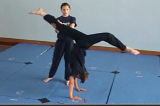
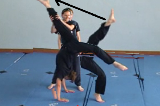
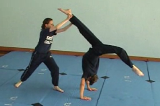
Starting situation. A Face onto the Side of B and two steps away. Face to Side. B Side onto the Face of A. Works when gymnast A starts in long shape and face onto the side of gymnast B. Gymnast A makes a long step, long reach preparation,and a strong leg kick into a cartwheel action, in front of B. Gymnast B either aims to catch both lower thighs of A, to hold A in a straight handstand balance; or to catch the hips of A, to hold a in a split leg handstand balance. Note. These catches will work with gymnast A either "chest onto B", during the wheeling action; or with "back onto B" during the wheeling action.

Key 5 4 Catching

Catch on hips

Starting situation. A face onto the face of B. Face to Face. B holds a Forward Lunge Base. Catch works when gymnast A, starting from directly in front of B, makes a one step , hurdle step and rebound, to vault at B. Hands are aimed at the shoulders of B, and legs are straddled in front of the body. B catches A on their hips, whilst hands catch A around the lower back.

Key 5 4 Catching

Catching a leg

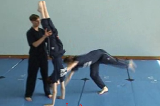
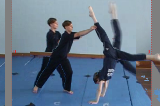
Kick up to a Handstand Balance. (forwards) Starting situation. A Face onto the Face of B. Face to Face. B Face onto the Face of A, and holding a Lunge Base. Works when gymnast A in long shape, and face onto B, with two steps between them. Gymnast B holds a Lunge base as preparation to catch the leg or legs of A. Gymnast A makes a long step, long reach and kick up towards a handstand balance. Gymnast B aims to catch behind the lower thigh, or thighs of A, and to hold A in a handstand balance.

Key 5 4 Catching

Catching limb or limbs of a partner

May be seen to happen in pair work when one gymnast prepares to arrest the motion of a limb; or catch limbs of a partner, in order to create a gymnastic image, or present a gymnastic idea within a routine.

Key 5 4 Catching

catching on foot

Key 5 4 Catching

Catching on hips

Starting situation. A face onto the back of B. Face to Back. B holds a Forward Lunge Base. Catch works when gymnast A ,starting from directly behind gymnast B, makes a one step, hurdle step and rebound , to vault at B. Hands are aimed at the shoulders of B, and legs are straddled in front of the body. B catches A with their hips and lower back, whilst catching hold of the legs of A around their thighs.

Key 5 4 Catching

craddle catching

Starting situation. A face onto the side of B. Face to Side. B holds a Sideways Lunge Base. Catch works when gymnast A , starting face onto the side of B, makes a one step, hurdle step and rebound, to vault at B. Both hands are aimed at the near shoulder of B, and legs are straddled in front of the body. B catches A on the near hip, whilst hands catch A around the lower back.

Key 5 4 Catching

Craddle catching

Key 5 4 Catching

Craddle catching

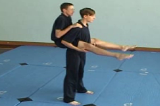
A Cradle....in this context means :- Base B forms a cradle by flexing both arms at the elbow joint and squeezing elbows into the rib cage. Holds the forearms in front of the body at shoulder width apart. This becomes a preparation to catch partner A at either side of their Centre of Gravity,ie thighs and chest or thighs and hips. Base B should keep legs wide apart to ensure the stability of the base.

Key 5 4 Catching