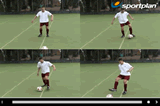
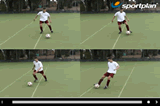
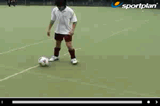
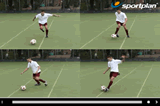
When the ball is in the air or bouncing around you want to get the ball on the ground. Doing this requires a soft touch and a general downward motion of your body.
To practice the skill players feed the ball to themselves with a head height throw. As the ball goes up players raise their foot to meet the ball at around waist height.
As the ball comes down also lower your foot so that you are cushioning the ball - trying to maintain contact between your foot and the ball until it reaches the ground.
First touch control is an essential skill - here we are practising the skill in a static situation but in a game your players will be required to control long balls and crosses in this way.
Progression:
Players now work in pairs, standing 1 meter apart one player feeds a high balland the other player attempts to cushion the ball down.
You can increase the height and distance of the throw as players improve.

in more ways than one
 sportplan_netball


in more ways than one
sportplan_football
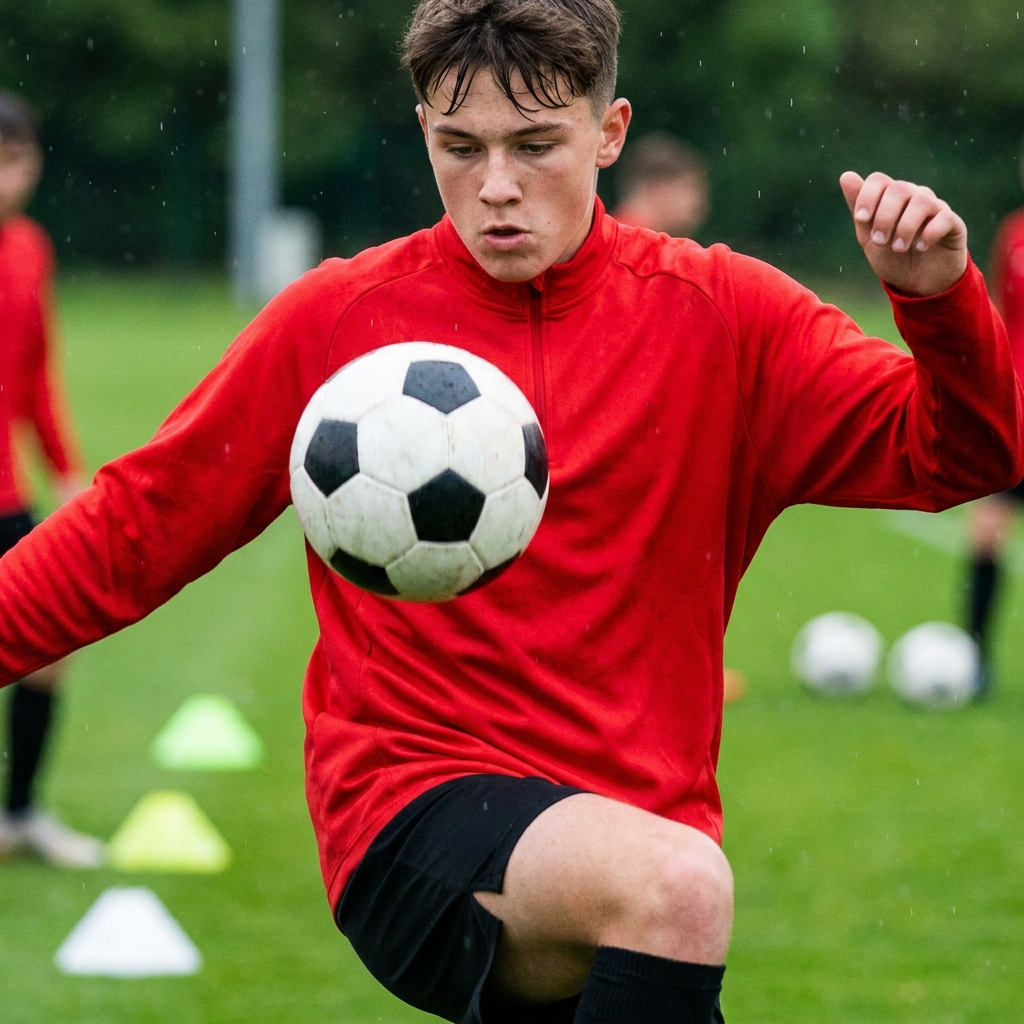
Deliberate heading is now out of U11 grassroots matches. Here is how to coach chest, thigh and foot control so your players still win the ball in the air.
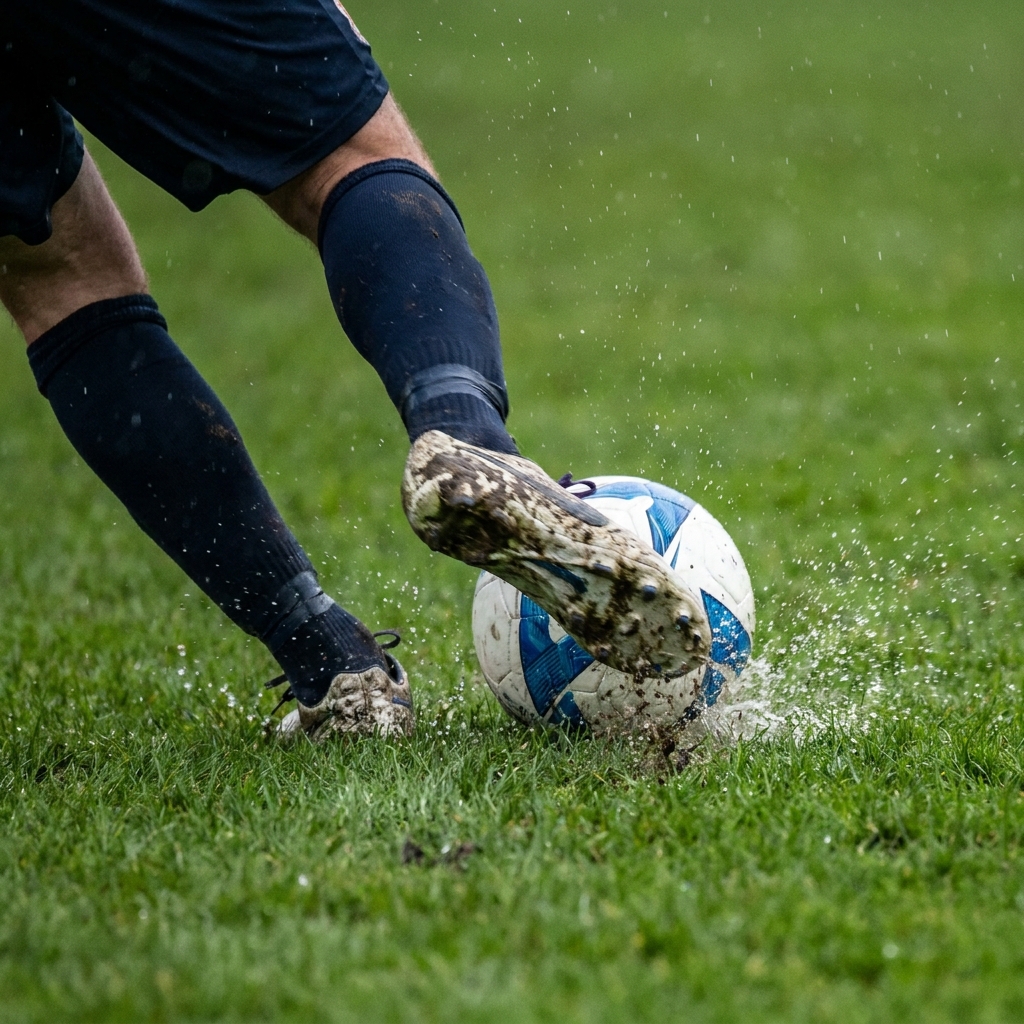
Long-range goals doubled at the 2026 World Cup as teams sat deep. Here is how to coach when to shoot from distance, the technique, and the follow-up.
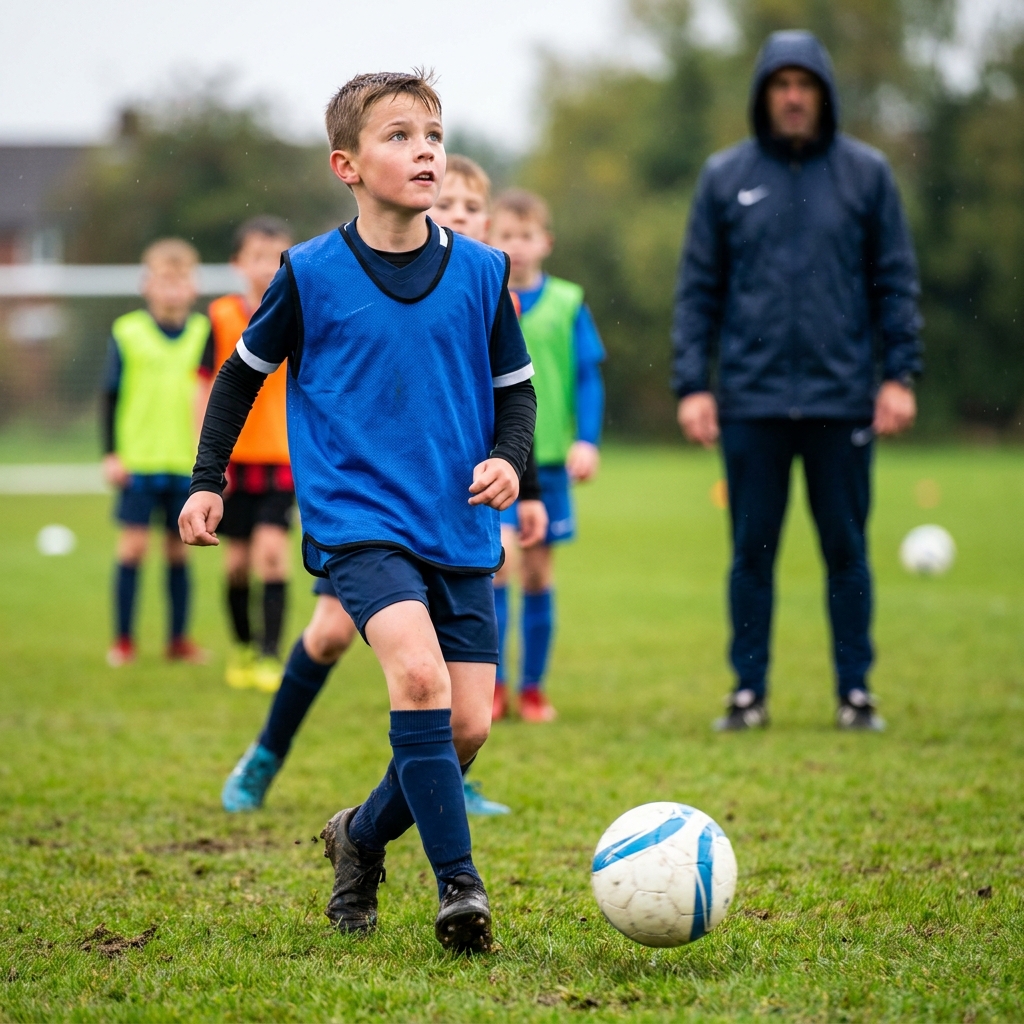
Under FutureFit, your Under-9s stay at 5v5, your Under-11s stay at 7v7 and your Under-13s stay at 9v9. Same pitch, same numbers, one more year. Here is how to make sure that year feels like a step forward rather than a repeat.