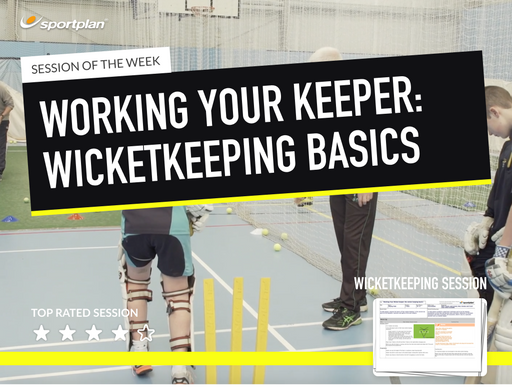
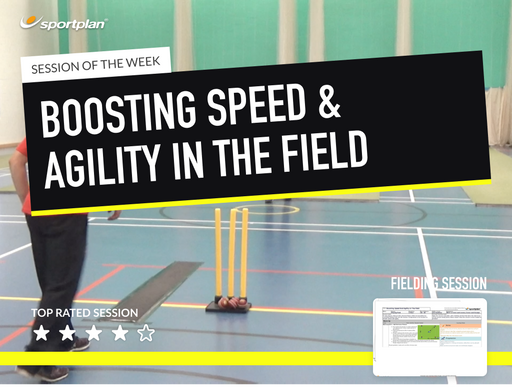
The keeper is a player who needs exceptionally fast reflexes and carries many roles within the team:
However, of all these roles the most important is catching - did you know that more catches are taken by the wicket-keepers than by any other fielding position?
To help keep your keepers and the rest of your team sharp and alert we've created the wicket keeping basics session which you can use with your whole team, whether they're cricketing novices or cricket connoisseurs. Working in small groups your players will test their catching ability, dealing with fast balls in a safe and controlled environment.
Rather than throwing your players in at the deep end with full speed bowling we start using a simple group exercise that simulates the ball popping up from an edge before using a competitive catching drill to give your players the desire to meet the ball. As with all good trainings the session progressively increases in difficulty, looking at diving catches from your cherry picking keepers and finishing with a game to put their skills into practice.

The new Laws of Cricket are in force from 1 October 2026 and the 'bunny hop' boundary catch is gone. Here is how to coach your fielders to catch on the rope this winter.

The covers are on and the last tea has been served. What your club does between now and April decides how the next season starts. Here is a simple, honest winter plan for players, bowlers and juniors.
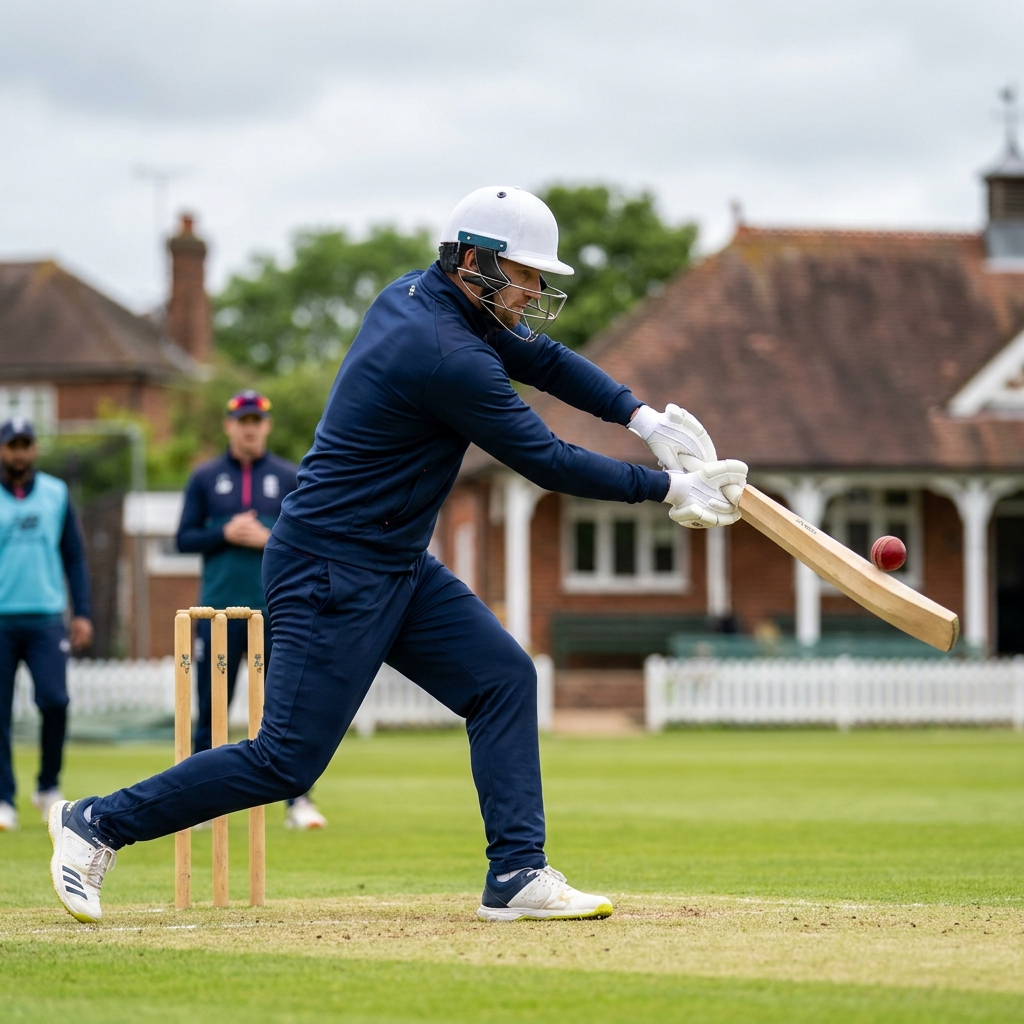
August is when seasons are decided, and most club games are lost chasing rather than setting. Give your batters a framework for the chase and you win the close ones.


Register for FREE and get coaching tips, top drills, session and more every week!