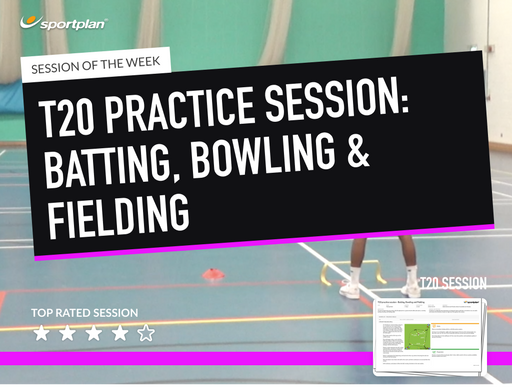
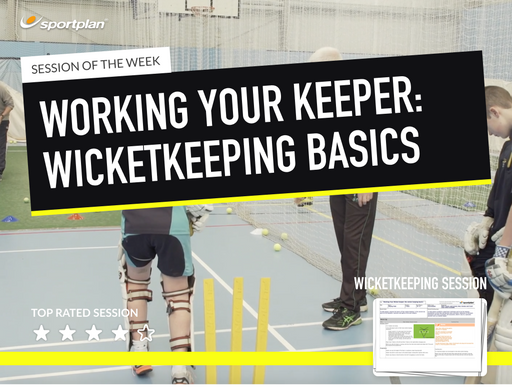
This week's session looks at improving your team's Twenty20 approach to a game in both skills and tactics.
The team that performs the basics the best will win the game. It's for that reason that this high-intensity T20 skills sessions focuses on all the core game skills: Batting, Bowling and Fielding.
In order to help your players develop their T20 core skills (building a solid base when batting, improving their line and length when bowling or simply saving runs in the field) this session gets them practising under the pressure of this lively version of the game.
The key to making this session work is to make T20 cricket as enjoyable for your players as possible. A good ball, good shot or good piece of fielding remains the same in any format of the game. As a coach, whatever your opinions, aim to put your own views aside and embrace the format for the benefit of the players, as the long term gains for cricket participation could be great!

The new Laws of Cricket are in force from 1 October 2026 and the 'bunny hop' boundary catch is gone. Here is how to coach your fielders to catch on the rope this winter.

The covers are on and the last tea has been served. What your club does between now and April decides how the next season starts. Here is a simple, honest winter plan for players, bowlers and juniors.
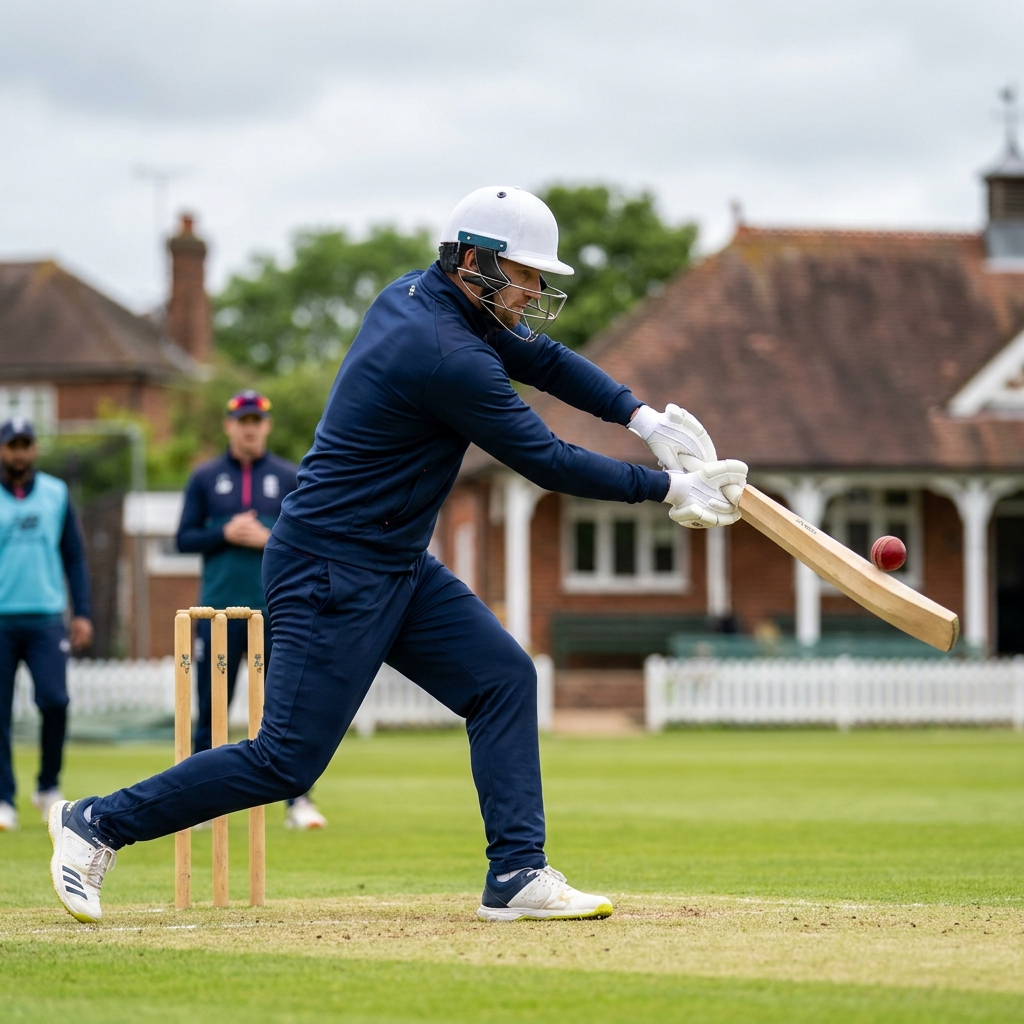
August is when seasons are decided, and most club games are lost chasing rather than setting. Give your batters a framework for the chase and you win the close ones.


Register for FREE and get coaching tips, top drills, session and more every week!