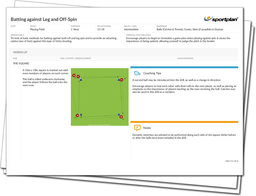
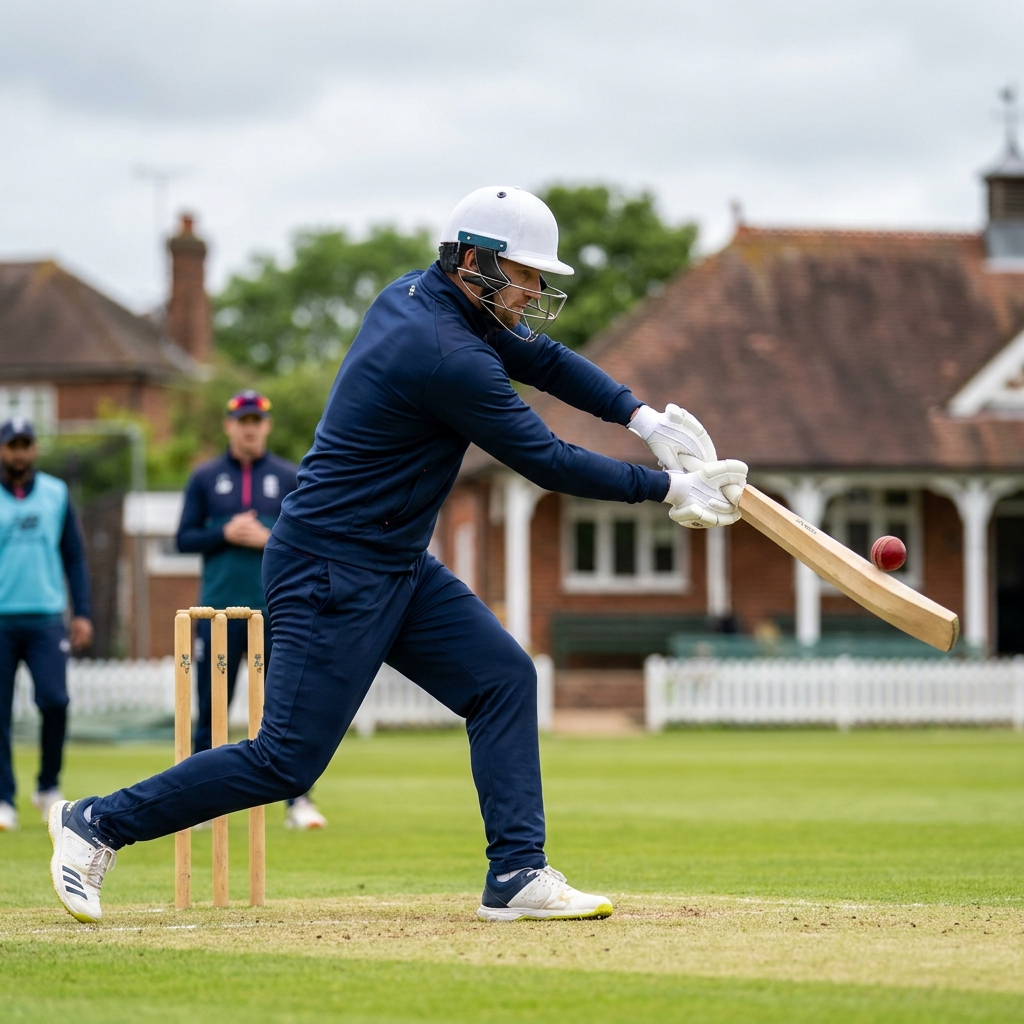
By stepping out and playing the shot on their front foot your players should be able to find gaps between the covers and mid-off. Commentators refer to a well played drive as "Showing the maker's name" because the bat is held in such a way that the name of the company who made the bat can clearly be seen.
Front-foot shot - A shot played with the batsman's weight on their front foot (the foot nearest the bowler).
Most of the power for this shot comes from the bowl so in this session we focus on getting your players to show the maker's mark, step forward and keep their weight over the ball, just like India's Sachin Tendulkar, one of the greatest batsmen in the history of the game.
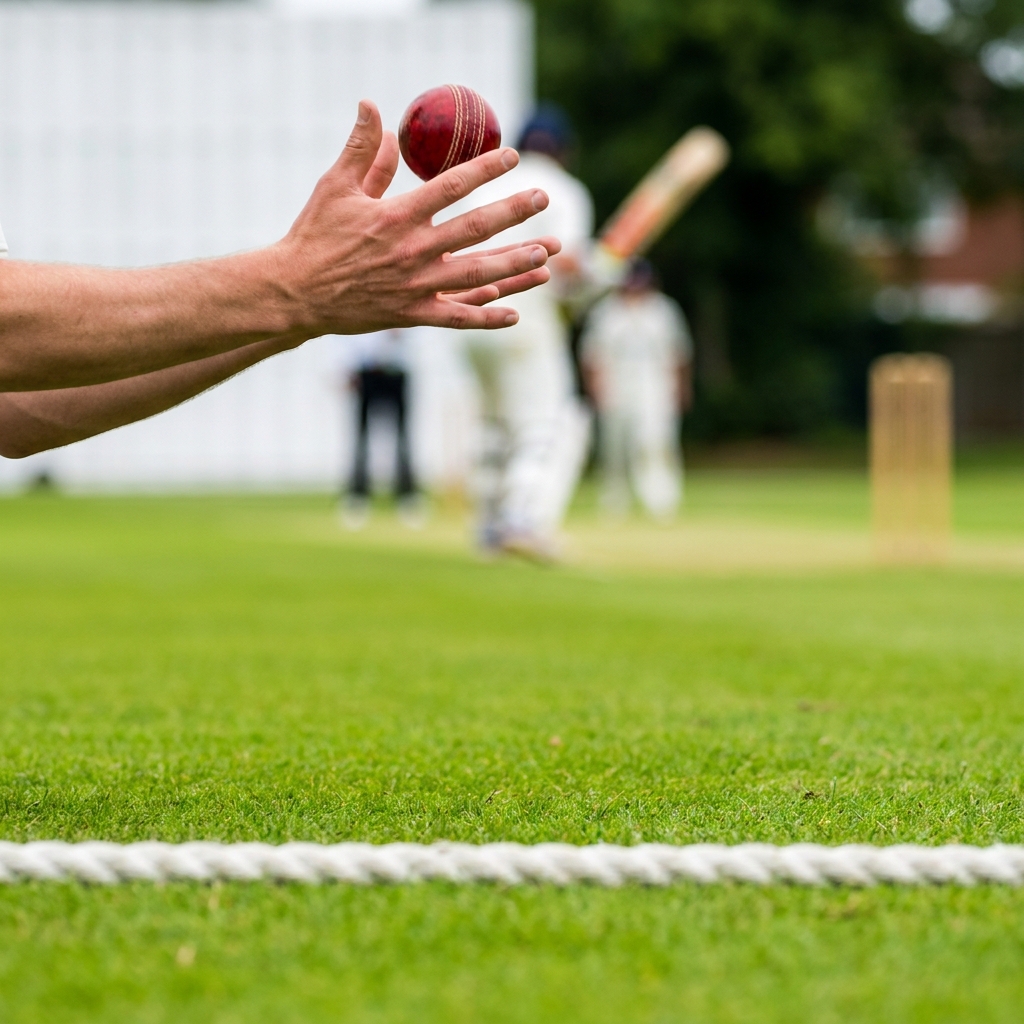
The new Laws of Cricket are in force from 1 October 2026 and the 'bunny hop' boundary catch is gone. Here is how to coach your fielders to catch on the rope this winter.

The covers are on and the last tea has been served. What your club does between now and April decides how the next season starts. Here is a simple, honest winter plan for players, bowlers and juniors.
August is when seasons are decided, and most club games are lost chasing rather than setting. Give your batters a framework for the chase and you win the close ones.


Register for FREE and get coaching tips, top drills, session and more every week!